Parent tip
Start before you overthink it. No-prep activities work best when you begin while the moment is still recoverable.
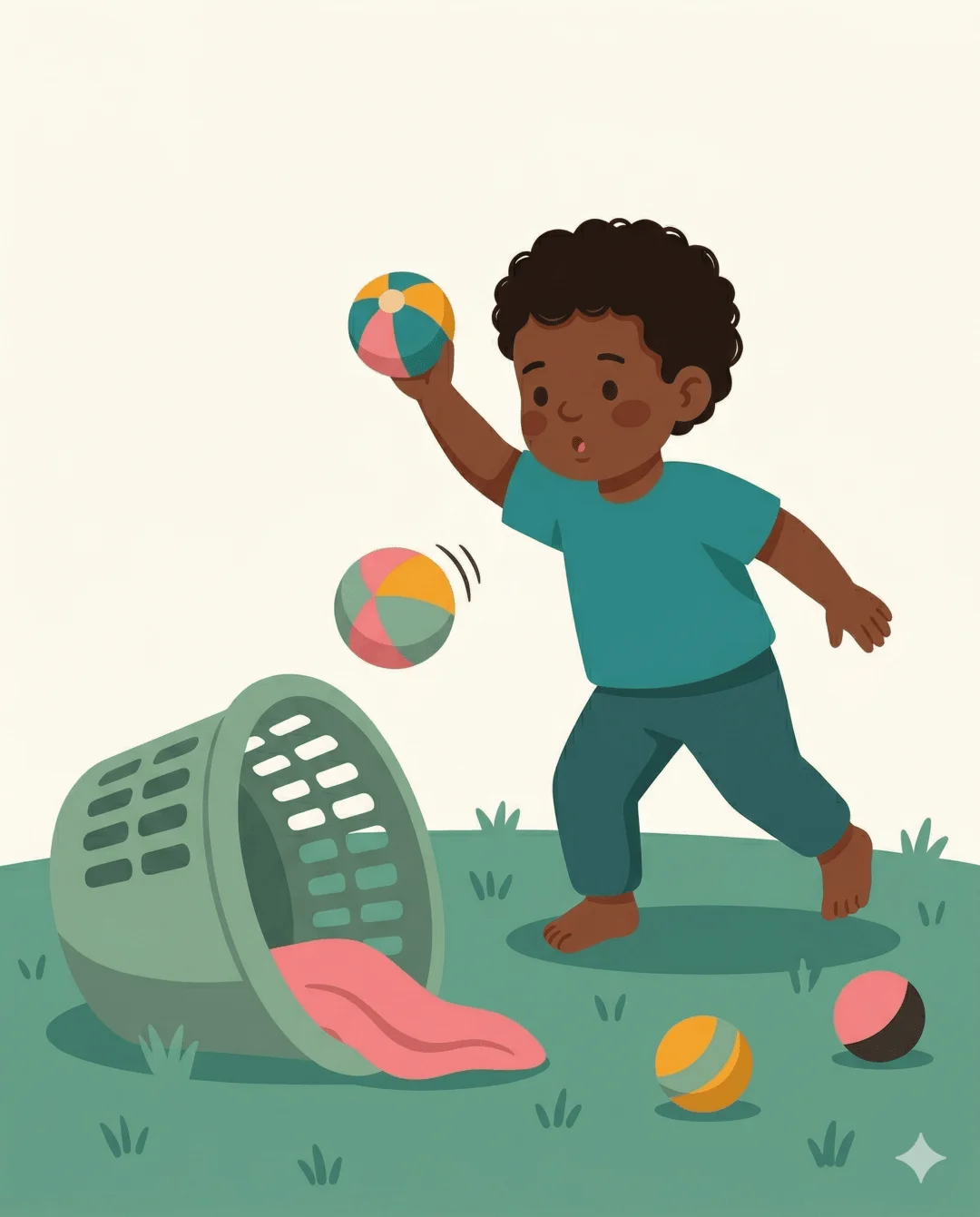
A playful song about all the things mouths can do — kiss, sing, eat, blow — to redirect biting.
Tiny Steps
Start before you overthink it. No-prep activities work best when you begin while the moment is still recoverable.

Flushed cheeks, big smiles, and a calmer child afterwards. If they want to do it again, you’ve found a winner.
Sing a simple, repetitive song about what mouths are for: 'Mouths are for kissing (mwah!), mouths are for singing (la la la!), mouths are for eating (yum yum!), mouths are for blowing (whooo!).' Pair each line with an action. This activity works by giving toddlers who are biting a positive script for what their mouths CAN do, rather than only hearing what they can’t. The oral motor actions (blowing, kissing, humming) also provide the sensory input that biting-prone children are often seeking.
Birth to 5 Matters describes self-regulation as children's developing ability to regulate their emotions, thoughts and behaviour, and identifies co-regulation with a calm adult as the essential foundation for managing strong feelings. Biting in toddlers is often driven by oral sensory seeking — the mouth is one of the most nerve-rich areas of the body and provides intense proprioceptive feedback. This song redirects that sensory need towards appropriate alternatives (blowing, kissing, humming) that provide similar oral motor input without hurting others. The positive framing — 'mouths are FOR' rather than 'don’t bite' — is more effective because toddlers respond better to replacement behaviours than prohibitions. The NHS advises that helping toddlers name and understand their feelings is one of the most important things parents can do for emotional development.
One email a week with practical toddler activities, behaviour tips, and developmental insights. No spam, unsubscribe any time.