TinyStepper
Toddler throwing a soft ball at a basket target in the garden

Garden Tug of War

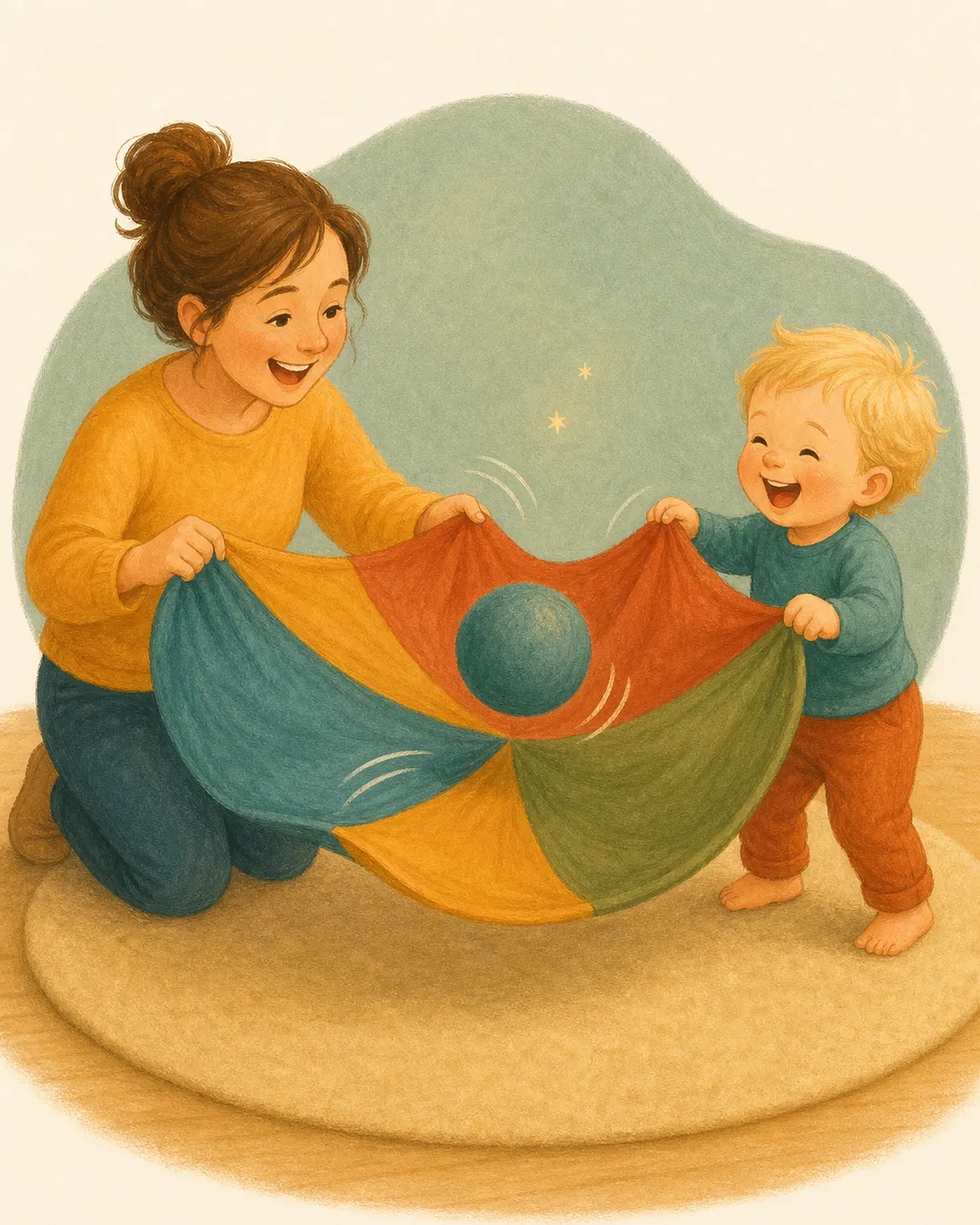
Grab opposite ends of a rope or blanket and PULL — a classic strength game that toddlers adore.

Activity details

19m4y8 minshighoutdoorScarves or Fabric

Instructions

Get ready
  • Find a long scarf, rope, or rolled-up blanket — anything about a metre long and easy to grip.
  • Kneel on the grass facing your toddler so you are at their height.
  1. Find a long scarf, rope, or rolled-up blanket — anything about a metre long and easy to grip.
  2. Kneel on the grass facing your toddler so you are at their height.
  3. Each hold one end with both hands and say: 'Ready? PULL!'
  4. Let them feel the resistance but do not overpower them — match their strength.
  5. Let them win sometimes: stagger forward dramatically and fall in a heap.
  6. Swap sides so they pull with the other hand leading — building bilateral strength.
  7. With siblings, set up teams or a round-robin tournament.
  8. Always end with both of you falling over laughing — the grand finale.

Parent tip

Set out scarves or fabric before inviting your toddler in so the first minute feels smooth.
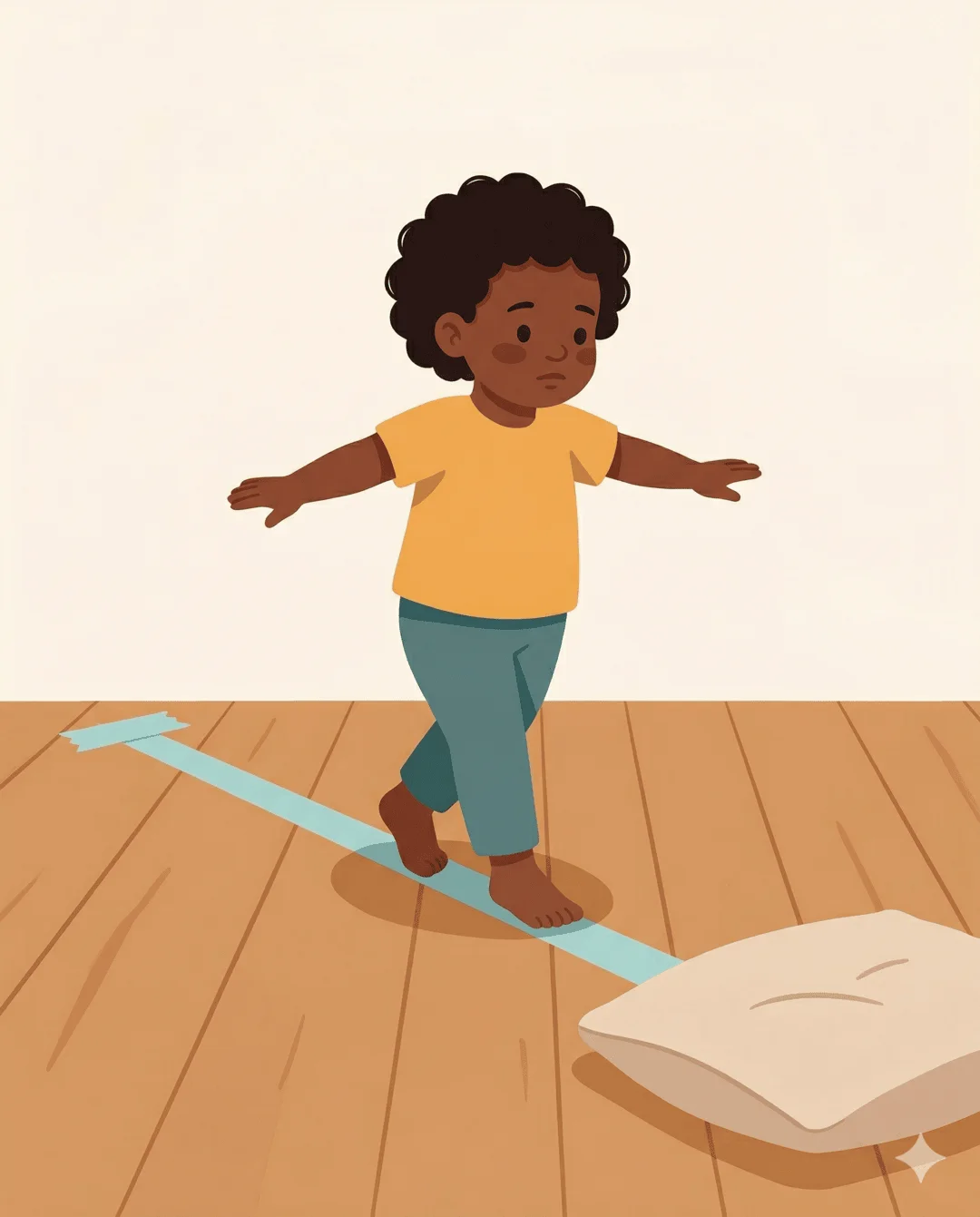
Child smiling on a cushion after active play with a ball and scattered cushions nearby

What success looks like

Flushed cheeks, big smiles, and a calmer child afterwards. If they want to do it again, you’ve found a winner.

Kneel down, hand your toddler one end of a rope, scarf, or rolled-up blanket, and pull. The simplicity is the genius — every ounce of effort is visible, the feedback is immediate, and the wobble-and-fall when someone lets go produces enormous giggles. Pulling against resistance builds bilateral grip strength and teaches toddlers to brace their core and dig their feet in, developing whole-body strength in a way that few other activities can match.

Why it helps

Pulling against resistance is a whole-body strength exercise that builds grip, shoulder, and core stability simultaneously. The NHS highlights that active play strengthens muscles and bones, and tug of war does this through sustained effort rather than repetitive movement. The social element — reading your opponent's effort, adjusting your own force, and the shared laughter of falling — develops social reciprocity and emotional regulation around winning and losing.

Variations

  • Draw a line in the middle with a stick — first person to pull the other past the line wins.
  • Try it sitting down for a different core challenge.
  • Use a thick towel instead of rope — the wider grip is easier for small hands.

Safety tips

  • Play on soft grass only — falling backwards onto hard ground hurts.
  • Use a thick, soft material that will not burn hands if it slides through their grip.
  • Never wrap the rope around hands or wrists — hold with open palms only.

Get weekly activity ideas for your toddler

One email a week with practical toddler activities, behaviour tips, and developmental insights. No spam, unsubscribe any time.