Parent tip
Set out plastic containers and small toys before inviting your toddler in so the first minute feels smooth.
Freeze small toys in a block of ice and let your toddler crunch, smash and dig them out in the garden — satisfying the urge to bite with appropriate crunchy input.
Tiny Steps
Set out plastic containers and small toys before inviting your toddler in so the first minute feels smooth.

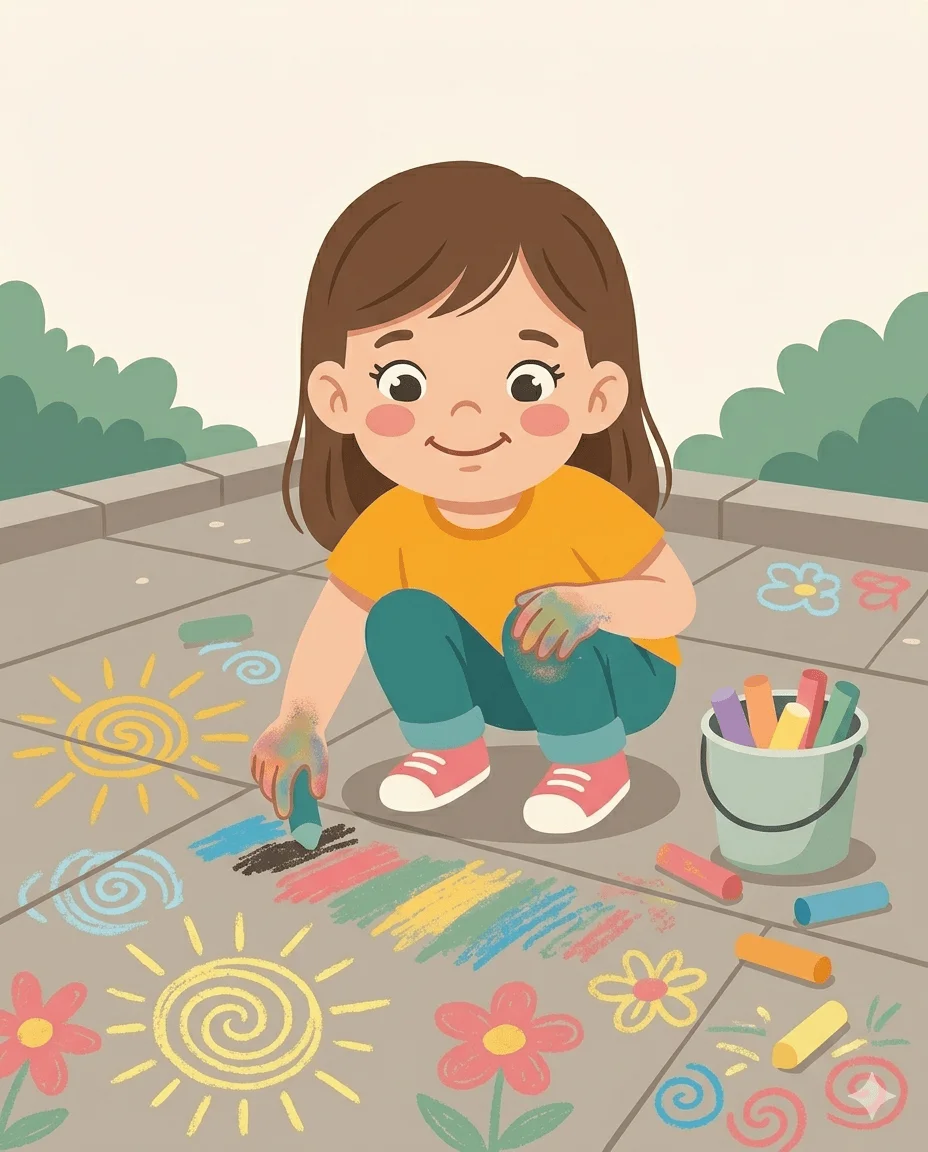
Messy hands and a child who doesn’t want to stop. The artwork doesn’t need to look like anything — the process is the point.
A sensory-rich outdoor activity that channels oral and physical energy into constructive play. Your toddler gets to hit, crunch and pick at the ice block using safe tools and their hands, providing the intense proprioceptive and oral sensory feedback that many biters are seeking. The cold temperature adds a calming sensory element, and the treasure-hunt aspect keeps motivation high throughout.
The NHS Best Start in Life programme recommends sensory play as a valuable way for toddlers to explore the world and support their development. Biting often stems from a need for intense oral proprioceptive input — the deep pressure sensation that crunching and chewing provide. Ice play offers this input through a safe, appropriate channel while also engaging the hands and whole body. The cold temperature activates the trigeminal nerve, which has a natural calming effect on arousal levels, helping children who bite when overstimulated to regulate without needing to use their teeth on people.
One email a week with practical toddler activities, behaviour tips, and developmental insights. No spam, unsubscribe any time.