TinyStepper

Garden Digging

At a glance: Dig in soil with child-sized tools in the garden or yard. A 20-minute, medium-energy outdoor activity for ages 18m4y.

Built by a parent of toddlersBest for 18m-4y

Field-tested ideas shaped by direct parenting experience and advice from reputable sources, including NHS Best Start in Life and NSPCC child development research.

18m4y20 minsmedium energyoutdoorlots mess

Getting hands dirty in real soil provides a sensory experience that manufactured play materials cannot replicate. The weight and resistance of digging strengthens arms and hands, and the unpredictable discoveries of worms, roots, and rocks turn a simple activity into an adventure. Children who play in soil are also exposed to diverse microorganisms that early years guidance indicates may support healthy immune system development, making this one of the most beneficial outdoor activities you can offer.

Best for this moment

when your toddler needs focused engagement, especially when you need an outdoor option.

Parent tip

Set out bucket and garden trowel before inviting your toddler in so the first minute feels smooth.

What success looks like

A good outcome is a few minutes of engaged play, some back-and-forth with you, and a small sign of progress in cognitive skills.

More help for this situation

Instructions

Get ready
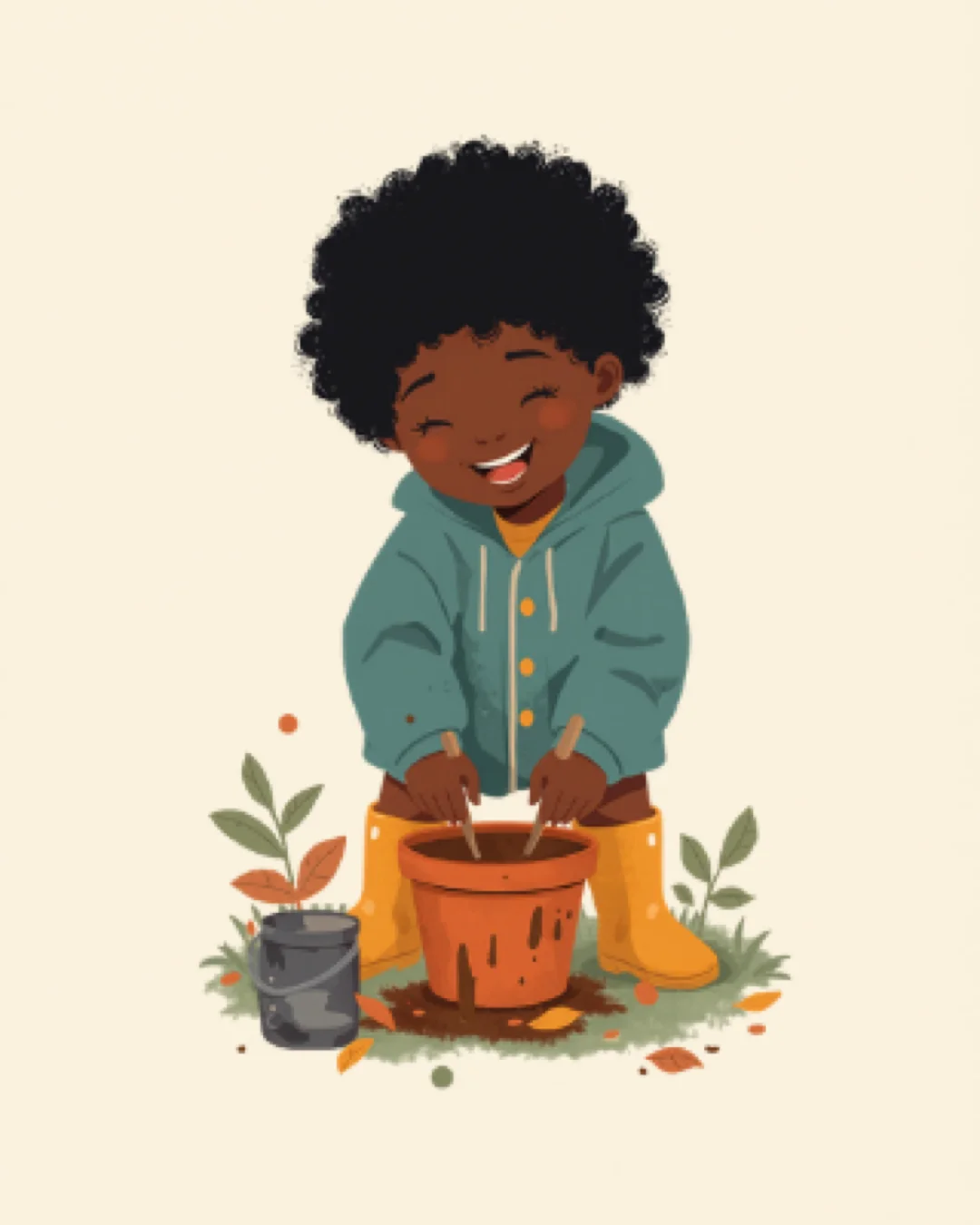
  • Find a patch of garden or yard where digging is allowed
  • Provide child-sized tools: small trowel, spoon, or plastic shovel
  1. Find a patch of garden or yard where digging is allowed
  2. Provide child-sized tools: small trowel, spoon, or plastic shovel
  3. Demonstrate how to dig and turn soil
  4. Let them explore freely: scooping, patting, poking holes
  5. Look for worms, bugs, and roots together
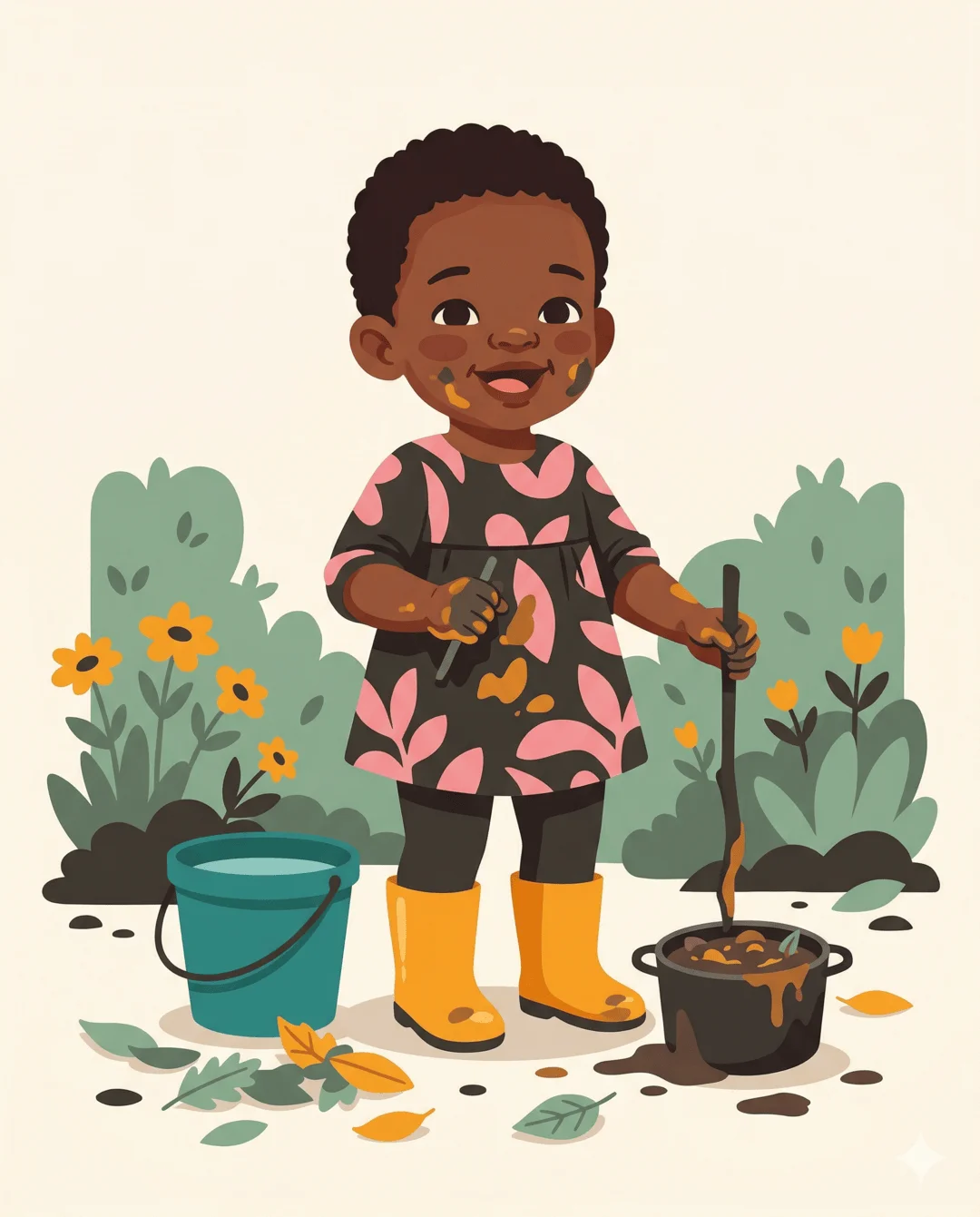
  6. Fill and empty small containers with dirt
  7. 'Plant' sticks or leaves in the soil
  8. Water the area with a small watering can
  9. Talk about what lives in soil and how plants grow
  10. Wash hands thoroughly when done

Why it helps

The weight and resistance of digging strengthens arms and hands, while discoveries of worms and rocks turn simple play into an adventure. Playing in soil also exposes children to diverse microorganisms that early years guidance indicates may support healthy immune system development.

Variations

  • Bury small toys in the soil for a treasure dig.
  • Plant real seeds together and water them daily to watch them grow.
  • Create a mud pie bakery using soil, water, and natural decorations.

Safety tips

  • Ensure the digging area is free from sharp objects, glass, or animal waste.
  • Wash hands thoroughly with soap after playing in soil.
  • Check for stinging insects and thorny plants in the digging zone.

When to pause and seek extra support

Stop if your child becomes distressed, unsafe, or consistently frustrated by the activity. If play, behaviour, or development worries keep showing up across settings, check in with a qualified professional.

Get weekly activity ideas for your toddler

One email a week with practical toddler activities, behaviour tips, and developmental insights. No spam, unsubscribe any time.