Parent tip
Set out scarves or fabric before inviting your toddler in so the first minute feels smooth.
Wave scarves and fabric ribbons through the air while dancing to music.
Tiny Steps
Set out scarves or fabric before inviting your toddler in so the first minute feels smooth.

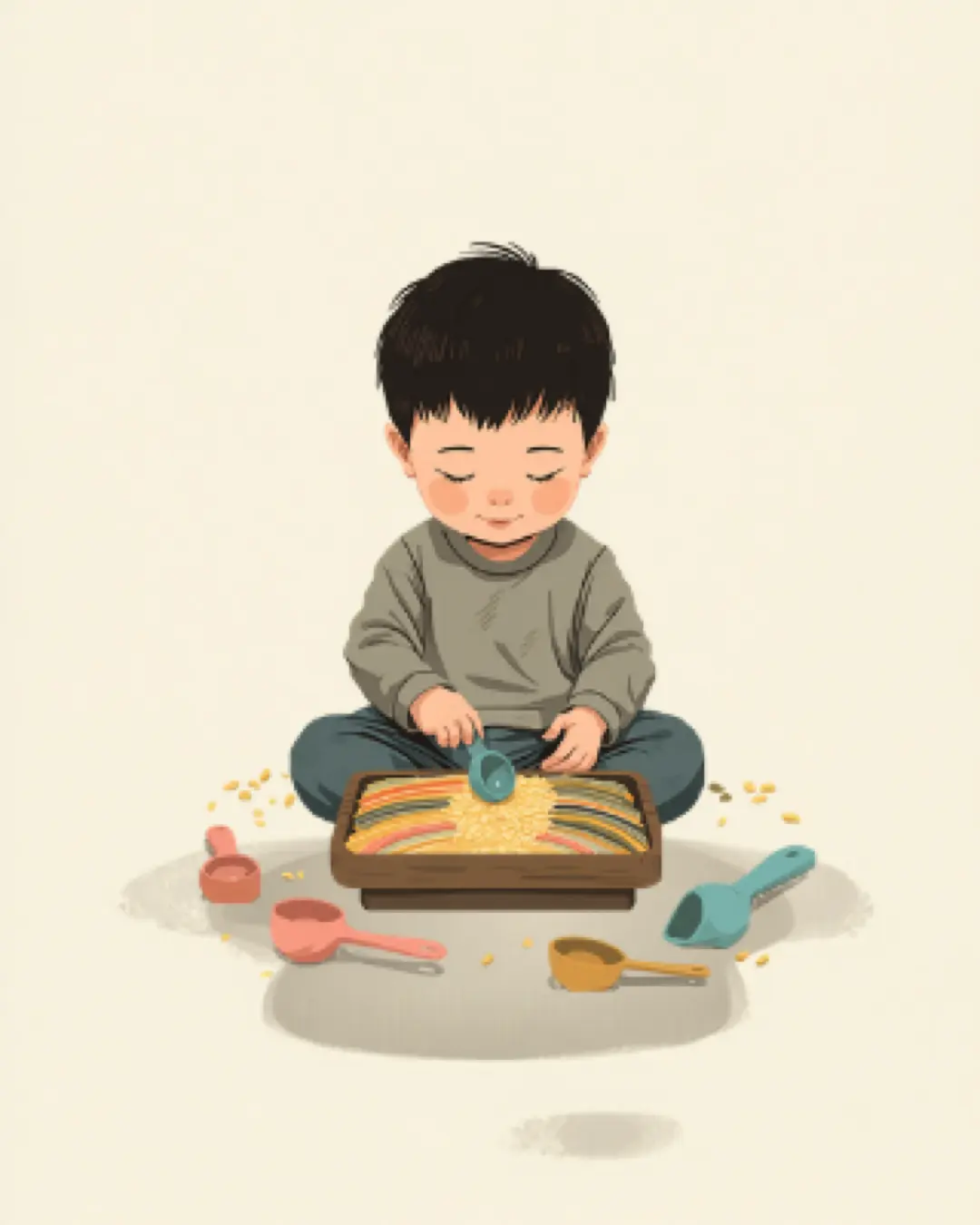
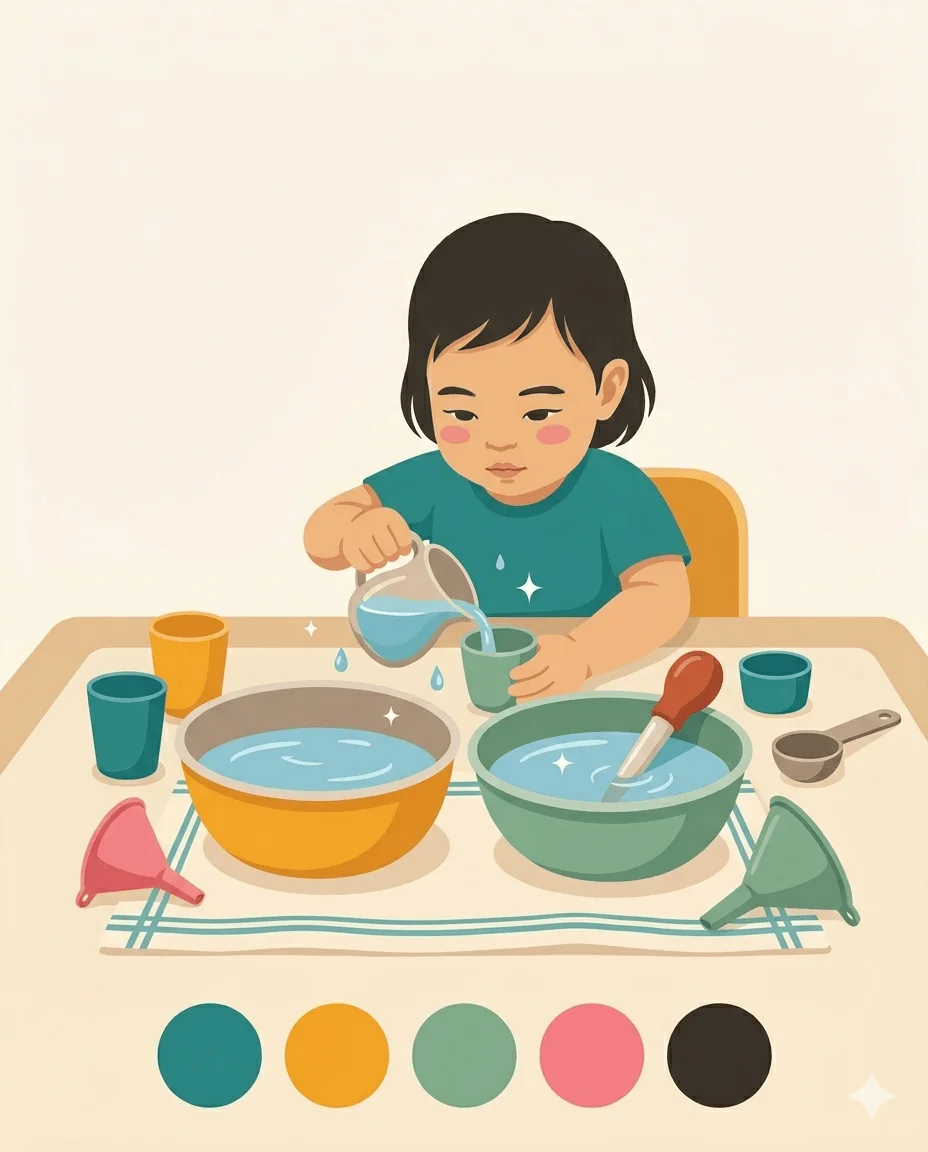
Watch for focused exploration — fingers digging in, pouring back and forth, or sorting by feel. Even a few minutes of this builds concentration.
Twirling lightweight fabric requires whole-arm movements that build shoulder strength and upper body coordination. Watching the ribbon trail teaches spatial awareness and cause and effect, while flowing patterns hold attention and encourage creative movement. Pairing with music introduces rhythm, and the fabric brushing against skin adds a calming tactile dimension.
Twirling lightweight fabric requires whole-arm movements that build shoulder strength and upper body coordination. Watching the ribbon trail teaches spatial awareness and cause and effect, and pairing with music introduces rhythm and creative expression. The EYFS framework recognises that physical play builds the confidence, coordination, and body awareness that support every other area of development.
One email a week with practical toddler activities, behaviour tips, and developmental insights. No spam, unsubscribe any time.