TinyStepper

Finger Paint Stomp

At a glance: Squirt paint onto a large sheet on the floor and stomp, dance, and slide through it with bare feet. A 15-minute, high-energy both activity for ages 12m3y.

Built by a parent of toddlersBest for 12m-3y

Field-tested ideas shaped by direct parenting experience and advice from reputable sources, including NHS Best Start in Life and NSPCC child development research.

12m3y15 minshigh energybothlots mess

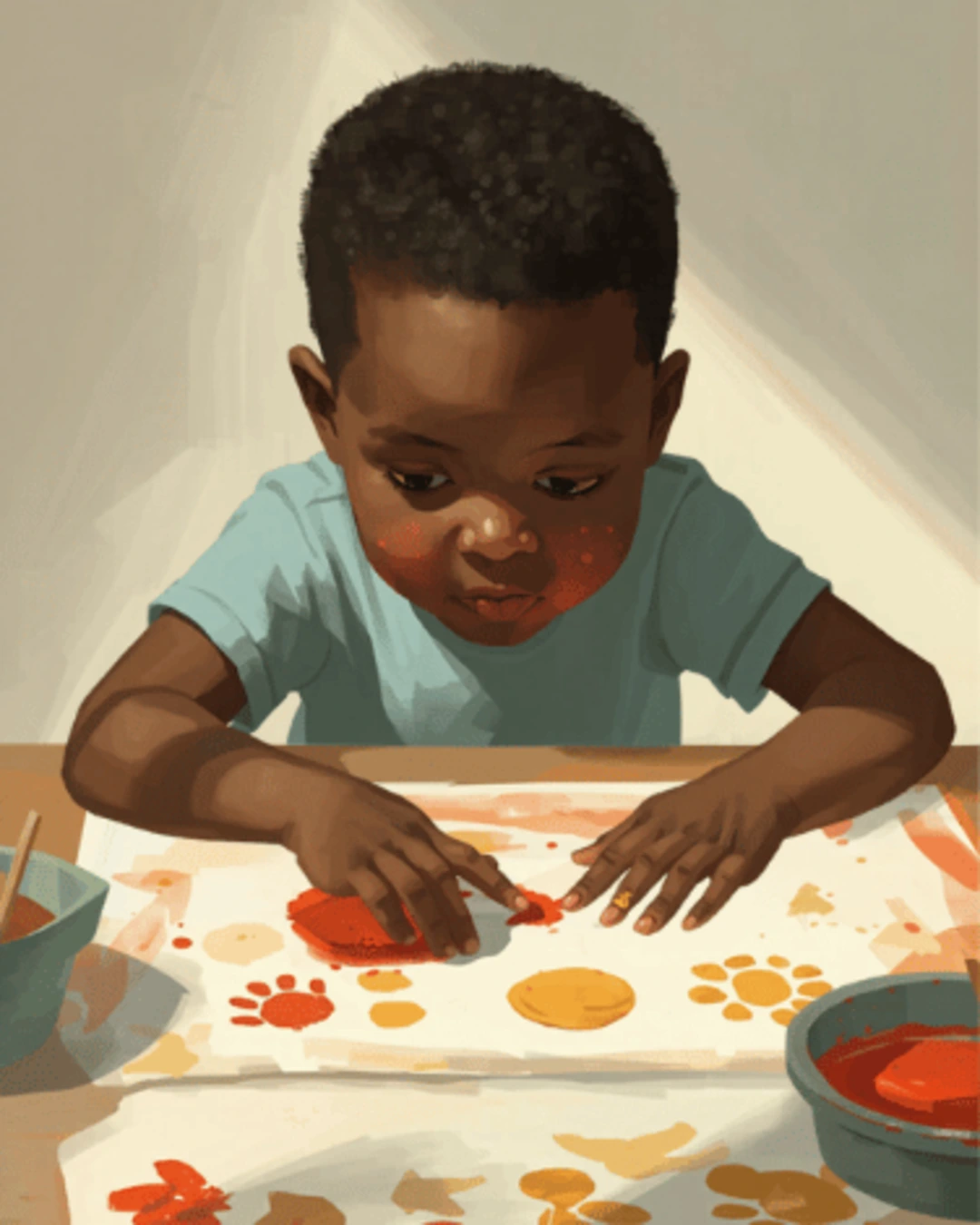
Tape a large sheet of paper (or an old bedsheet) to the floor or grass. Squirt blobs of washable paint across it. Your toddler steps into the paint with bare feet and stomps, slides, twists, and dances. The sensation of cold, slippery paint between toes is intensely stimulating. The foot prints they create are the art — abstract, colourful, and entirely their own. This is full-body sensory engagement at its most exhilarating.

Best for this moment

when your toddler needs to move and burn energy, especially when you need something flexible indoors or outdoors.

Parent tip

Set out bucket and painter's tape before inviting your toddler in so the first minute feels smooth.
What success looks like

A good outcome is a few minutes of engaged play, some back-and-forth with you, and a small sign of progress in creativity.

More help for this situation

Instructions

Get ready
  • Tape a large sheet of paper or old bedsheet to the floor or grass
  • Squirt blobs of washable paint across the surface
  1. Tape a large sheet of paper or old bedsheet to the floor or grass
  2. Squirt blobs of washable paint across the surface
  3. Remove your toddler's shoes and socks — yours too, if you're brave
  4. Step onto the paint together: 'Ooh! Feel the squidgy paint!'
  5. Stomp: 'Make big STOMPY prints!'
  6. Dance: 'Wiggle your toes in the paint!'
  7. Slide: 'Can you slide like a penguin?'
  8. When finished, walk to a bucket of warm water for foot washing — that is its own sensory moment

Why it helps

The soles of the feet contain a dense concentration of sensory receptors — painting with feet provides intense proprioceptive and tactile feedback that is qualitatively different from hand-based art. The weight-bearing nature of standing in paint engages the vestibular system alongside the tactile system, creating a full sensory integration experience. For sensory-avoiding toddlers, starting with feet (which they can see and control) is often less overwhelming than hand-based messy play.

Variations

  • Use hands as well as feet for a full-body painting session.
  • Roll toy cars through the paint for tyre-track patterns alongside footprints.
  • Do it on a warm day outdoors with the sprinkler on for a paint-and-water combo.

Safety tips

  • Use only non-toxic, washable paint — check the label, as some 'washable' paints are not body-safe.
  • Ensure the walking surface underneath is non-slip — wet paint on tile is a falling hazard.
  • Have a bucket of warm water and towel ready at the edge for immediate foot cleaning.

When to pause and seek extra support

Stop if your child becomes distressed, unsafe, or consistently frustrated by the activity. If play, behaviour, or development worries keep showing up across settings, check in with a qualified professional.

Get weekly activity ideas for your toddler

One email a week with practical toddler activities, behaviour tips, and developmental insights. No spam, unsubscribe any time.