Parent tip
Set out plastic containers before inviting your toddler in so the first minute feels smooth.
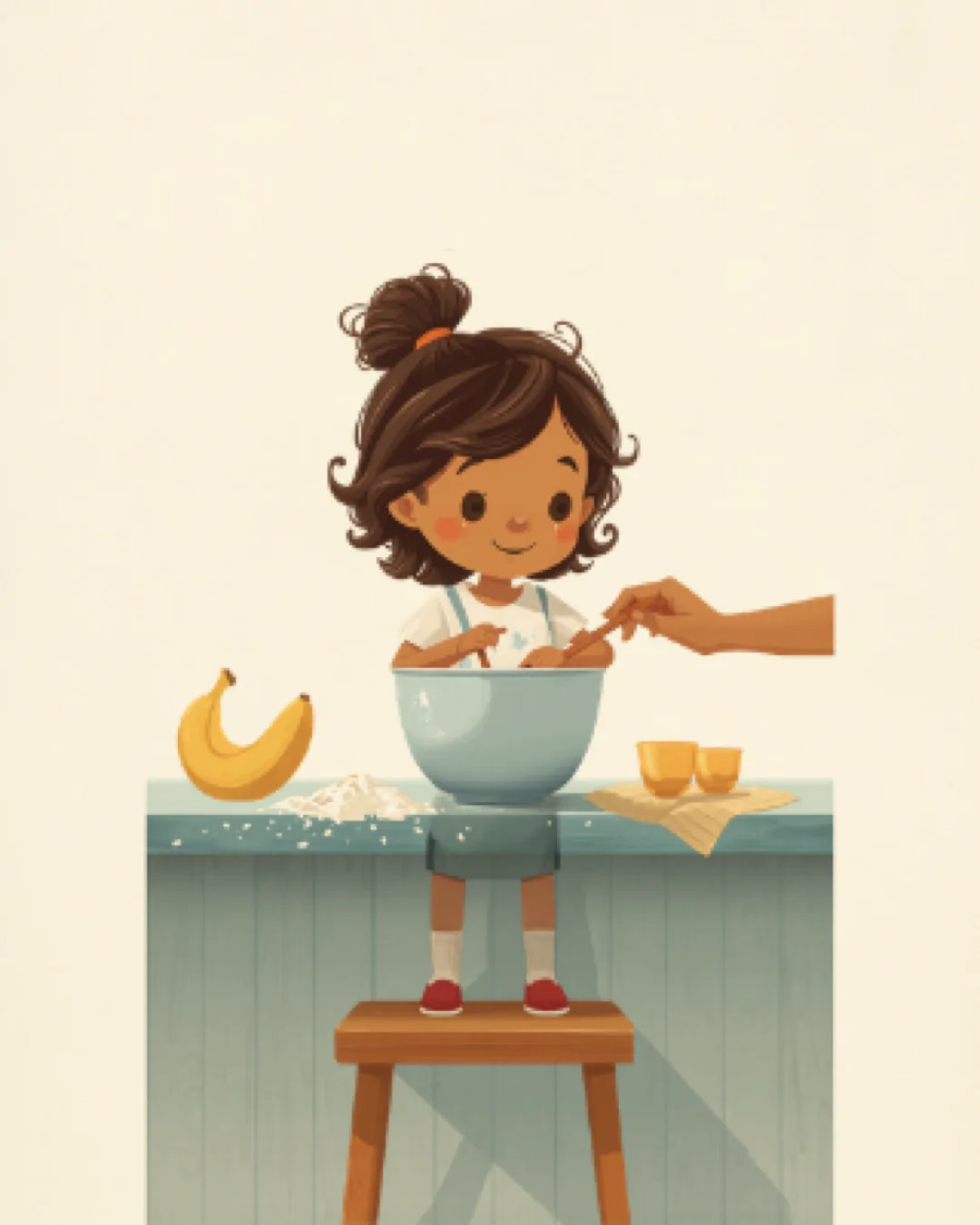
Sort and taste crunchy versus chewy snacks, giving toddlers the intense oral sensory input that redirects the urge to bite.
Tiny Steps
Set out plastic containers before inviting your toddler in so the first minute feels smooth.

Back-and-forth between you — words, gestures, shared pretend. Connection is the real outcome here.
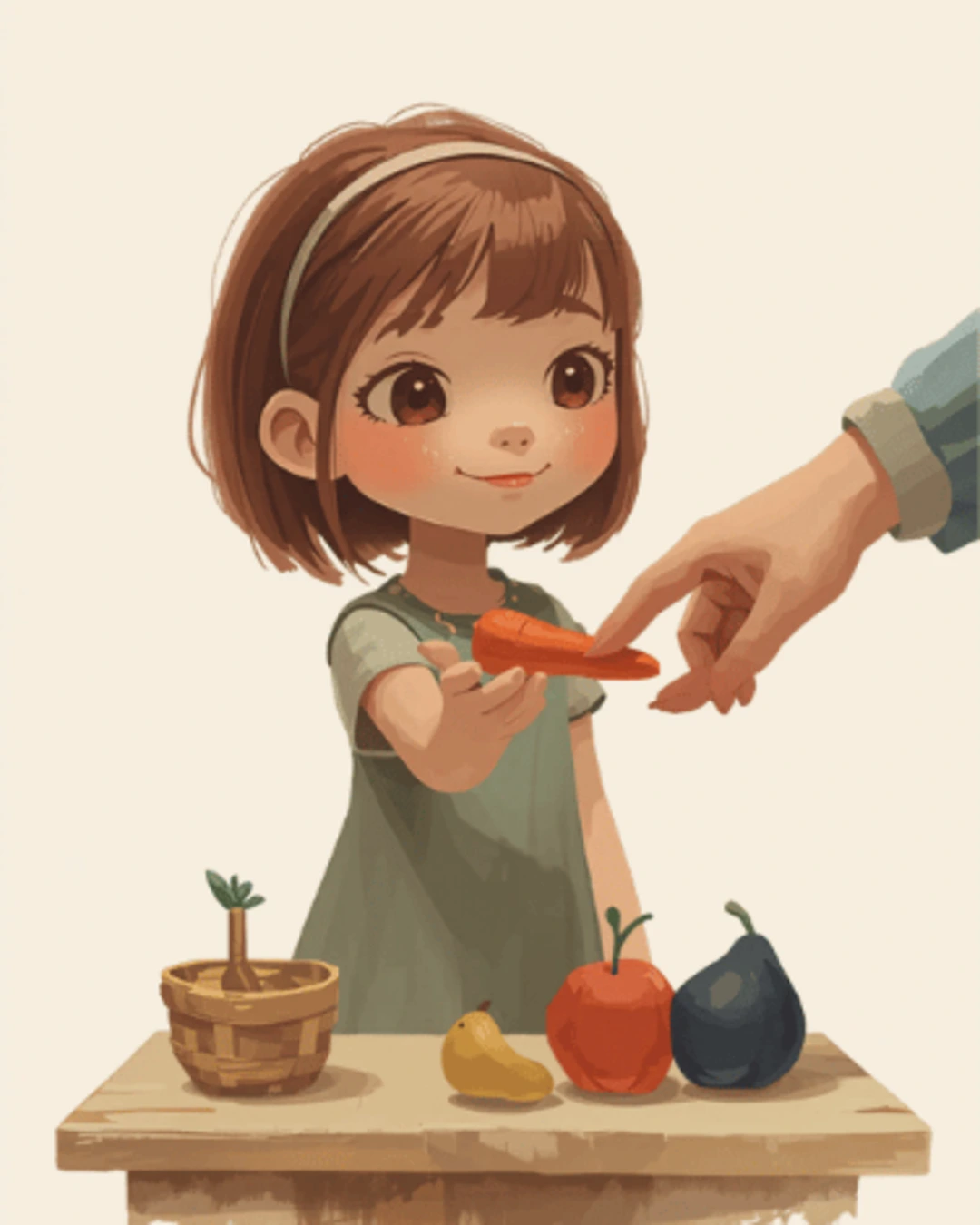
Lay out a selection of safe crunchy foods (breadsticks, carrot sticks, rice cakes) and chewy foods (dried fruit, cheese cubes) in separate bowls. Your toddler sorts them by texture, then tastes each one, noticing the difference between crunching and chewing. This activity provides the intense oral proprioceptive input that many biters are seeking — their mouths need heavy work, and food is the most appropriate channel for it.
The NHS Best Start in Life programme highlights sensory play — including activities that provide deep pressure and body awareness — as supporting children's emotional regulation and physical development. Biting often stems from a need for oral proprioceptive input — the deep pressure sensation in the jaw muscles. Crunchy and chewy foods provide this input through socially appropriate channels. The sorting element adds cognitive engagement, while the language around jaw sensations builds interoceptive awareness — helping toddlers recognise what their mouth needs before the urge to bite another person arises.
One email a week with practical toddler activities, behaviour tips, and developmental insights. No spam, unsubscribe any time.