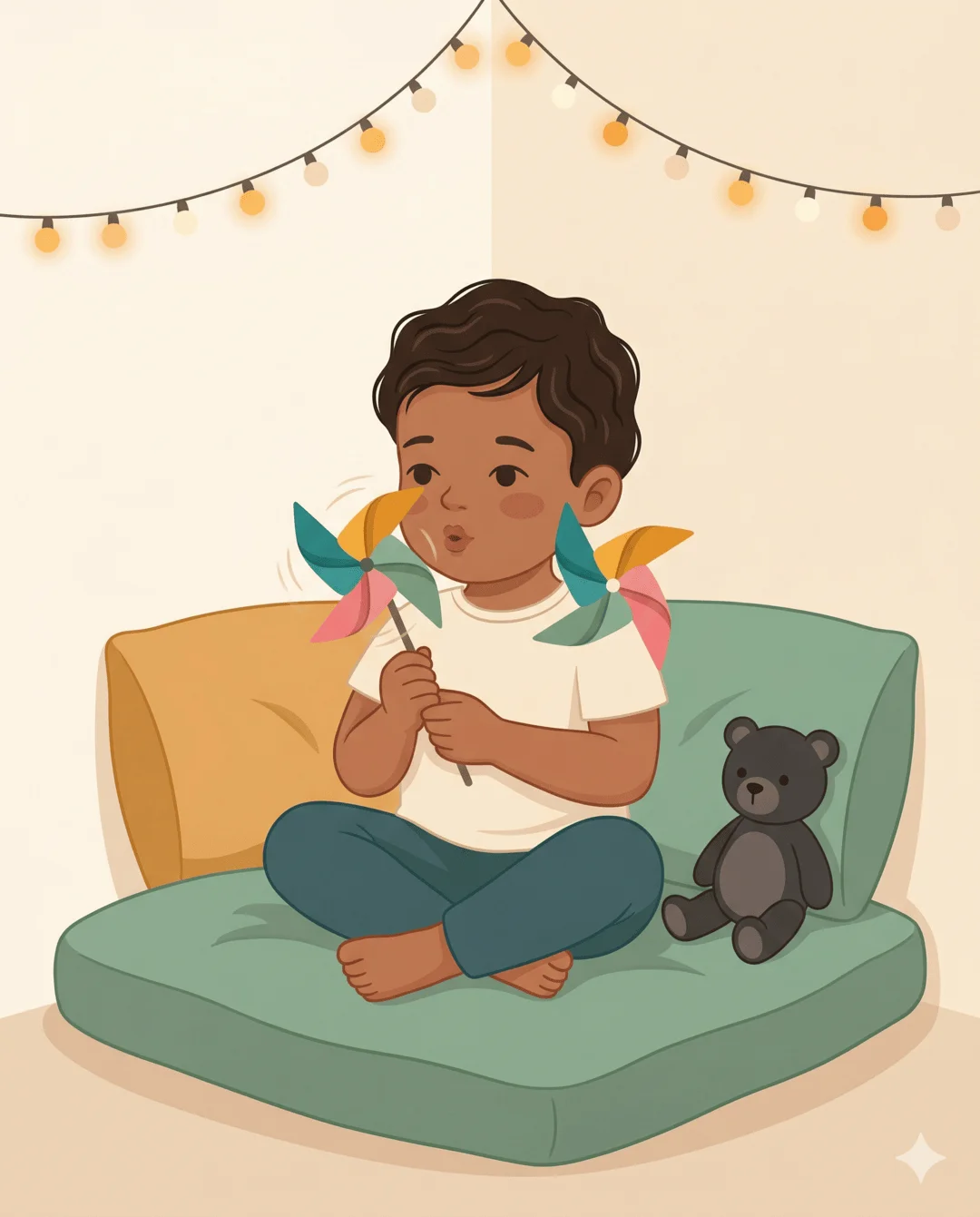
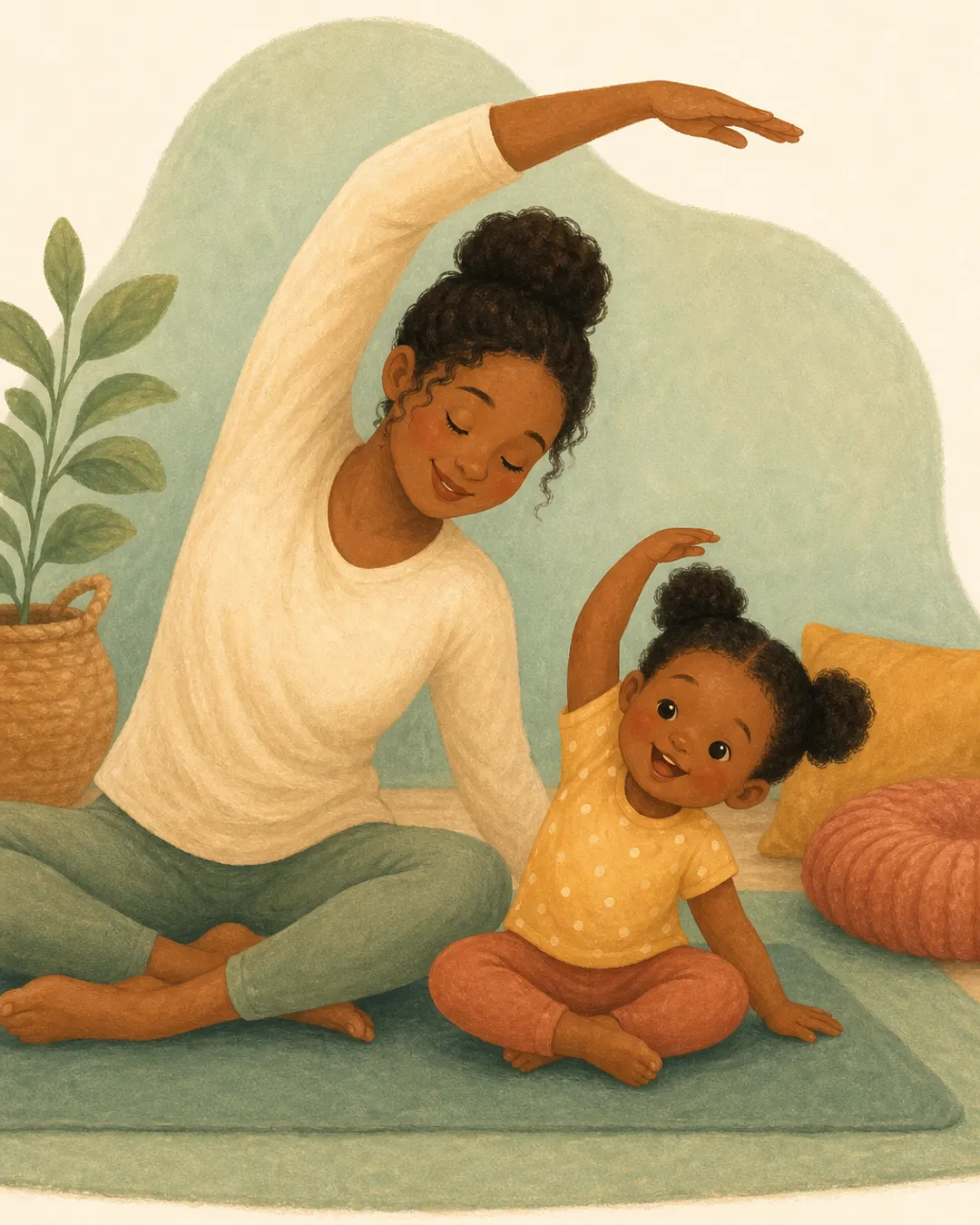
Parent tip
Set out blankets and cushions before inviting your toddler in so the first minute feels smooth.
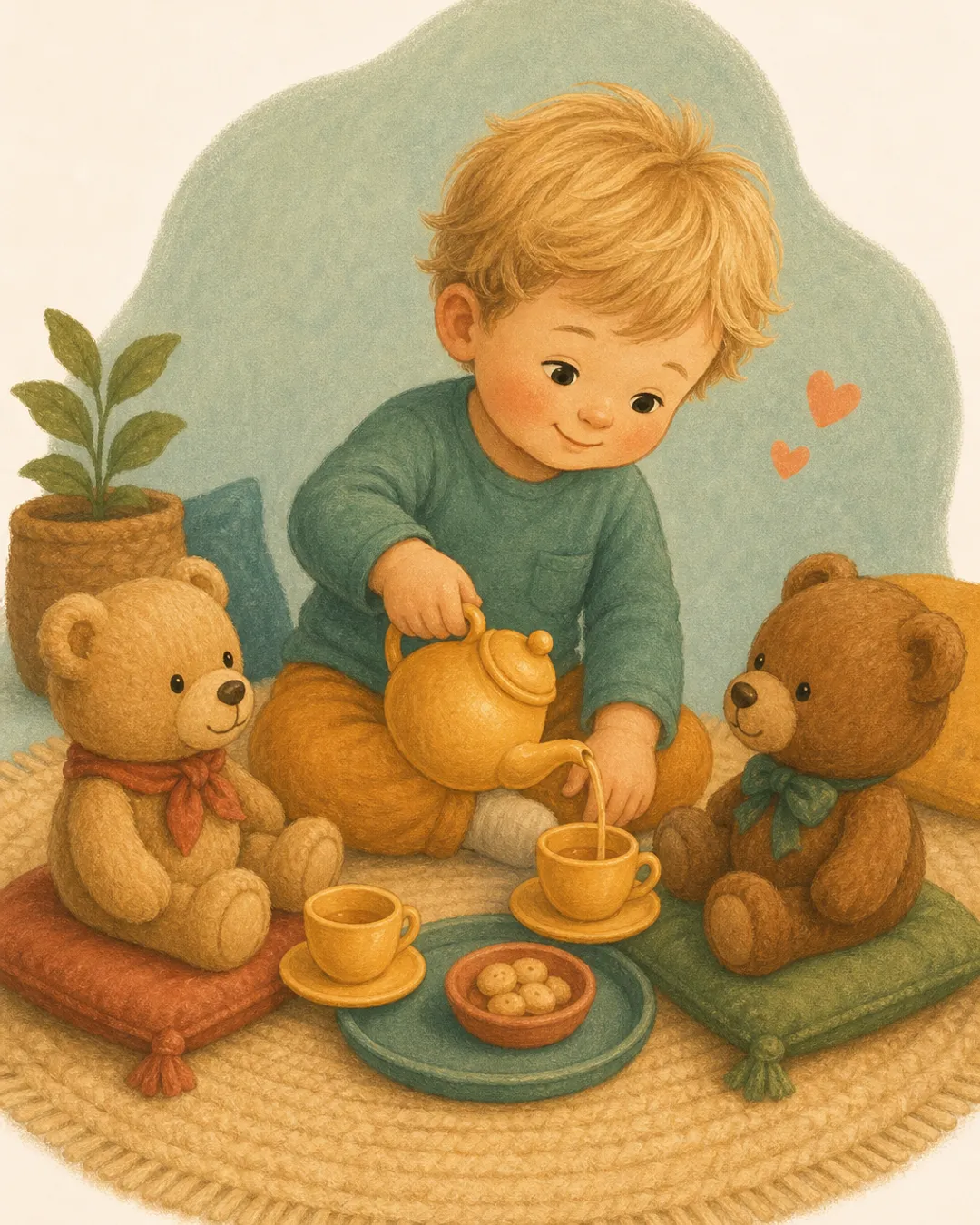
Build a cosy corner with cushions, soft toys, and calming objects — a dedicated safe space your toddler can go to when feelings get big.
Tiny Steps
Set out blankets and cushions before inviting your toddler in so the first minute feels smooth.

A few quiet minutes together without pressure. If your child relaxes even slightly, that’s self-regulation building.
A calm-down corner is not a punishment spot — it is a self-regulation station. By creating a small, cosy area that your child helps design, you give them a physical place to go when emotions overwhelm, paired with sensory tools that help the nervous system settle. The act of going to the corner becomes a coping strategy in itself — a concrete action a toddler can take when they do not yet have the cognitive capacity for complex self-talk. Research on emotion coaching shows that children who have access to regulation tools and a supportive adult narrating the process develop stronger emotional competence than those who are simply told to stop the behaviour.
Birth to 5 Matters identifies self-regulation as children's developing ability to regulate their emotions, thoughts and behaviour, noting that co-regulation — where adults model calming strategies — is the foundation from which children build this skill. Self-regulation develops through co-regulation — the process of an adult helping a child manage emotions — before it becomes an independent skill. A calm-down corner provides a transitional object between co-regulation and self-regulation: the child can go there independently, but the space itself was created with adult guidance and filled with comforting items. The sensory tools (soft textures, visual calming objects) activate the parasympathetic nervous system, and the routine of going to a specific place builds an automatic coping response over time. Zero to Three emphasises that co-regulation — where a calm adult helps a child through big emotions — is how toddlers gradually learn to manage feelings by themselves.
One email a week with practical toddler activities, behaviour tips, and developmental insights. No spam, unsubscribe any time.