TinyStepper
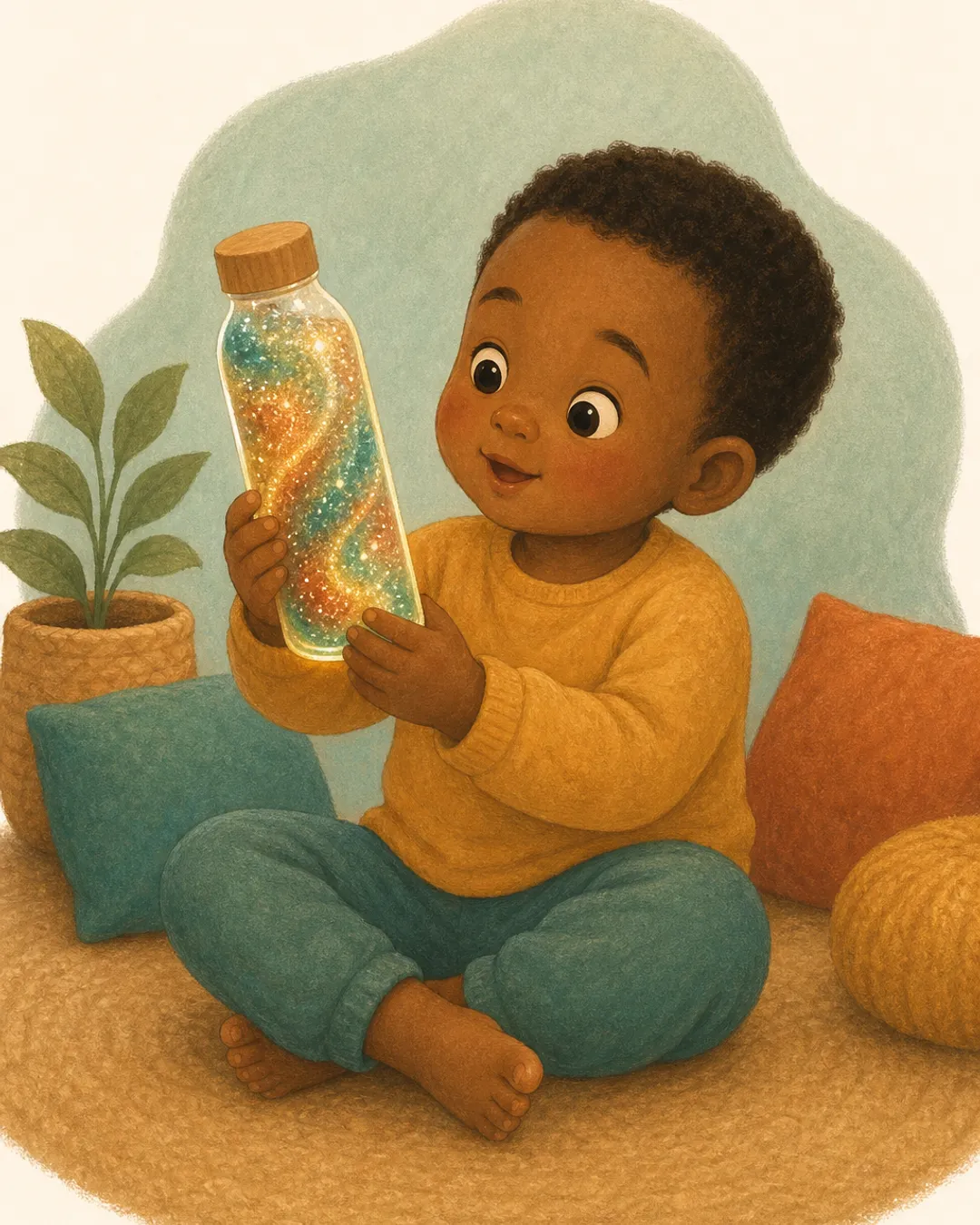
Toddler gazing at a homemade glitter calm-down sensory bottle

The Whinge Translator

When the whining starts, you put on your friendly 'translator' hat and warmly help your toddler find the real words behind the whine, showing you are on their side and handing them the phrasing for next time.

Activity details

2y3y8 minslowindoorNo prep

Instructions

Tiny Steps

Get ready
  • When a whine begins, stay warm and crouch down to your child's level.
  • Put on your playful translator voice: 'Uh oh, my ears can't understand whinge language. Let me help.'
  1. When a whine begins, stay warm and crouch down to your child's level.
  2. Put on your playful translator voice: 'Uh oh, my ears can't understand whinge language. Let me help.'
  3. Guess kindly at the need: 'I think you might be saying you want to go outside?'
  4. Offer the words back simply: 'Let's try together — outside, please.'
  5. The moment they use any clearer word or sound, respond warmly and quickly.
  6. Name the feeling too if there is one: 'You really wanted that. It's frustrating to wait.'
  7. Keep your tone kind throughout — the message is 'I want to understand you', not 'stop whining'.

Parent tip

Start before you overthink it. No-prep activities work best when you begin while the moment is still recoverable.
Relaxed child lying on a floor cushion with blanket and pinwheel in a cosy calm corner

What success looks like

A few quiet minutes together without pressure. If your child relaxes even slightly, that’s self-regulation building.

When the whining starts, this turns a frustrating moment into a gentle game: you put on your friendly 'translator' hat, admit you cannot quite understand whinge language, and help your toddler find the actual words. 'Hmm, I think you're telling me something important. Are you saying you want the red cup?' Naming the need calmly does two jobs at once: it shows your child you are on their side, and it hands them the words to use instead of the whine next time.

Why it helps

Zero to Three explains that 'letting children know their feelings are understood helps them calm down and regain control'. A whine is communication that has not found its words yet, so meeting it with warmth and translating it, rather than rejecting the tone, both soothes your toddler and models the calmer phrasing for next time. Crucially, you respond fast when they reach for words, so the clearer voice starts to feel more effective than the whine, which is, after all, the whole reason whining persists.

Variations

  • Use a pretend pair of 'translator glasses' you put on, giving your toddler a clear visual cue that you are switching into helpful mode.
  • Practise during calm times with a puppet who whines, so your child learns the game before they need it in a real moment.
  • Keep a few feeling words handy — tired, hungry, cross, sad — and offer them as options when the need is an emotion.

Safety tips

  • Keep it genuinely kind; if a child feels mocked for whining, the whining usually gets worse, not better.
  • Respond quickly to any attempt at words, so your toddler learns the asking voice works.
  • If your child is too upset to find words, comfort first and save the translating for a calmer moment.

Get weekly activity ideas for your toddler

One email a week with practical toddler activities, behaviour tips, and developmental insights. No spam, unsubscribe any time.