TinyStepper
Toddler peeking from a cosy blanket-and-cushion den with fairy lights and a teddy

Heartbeat Hug

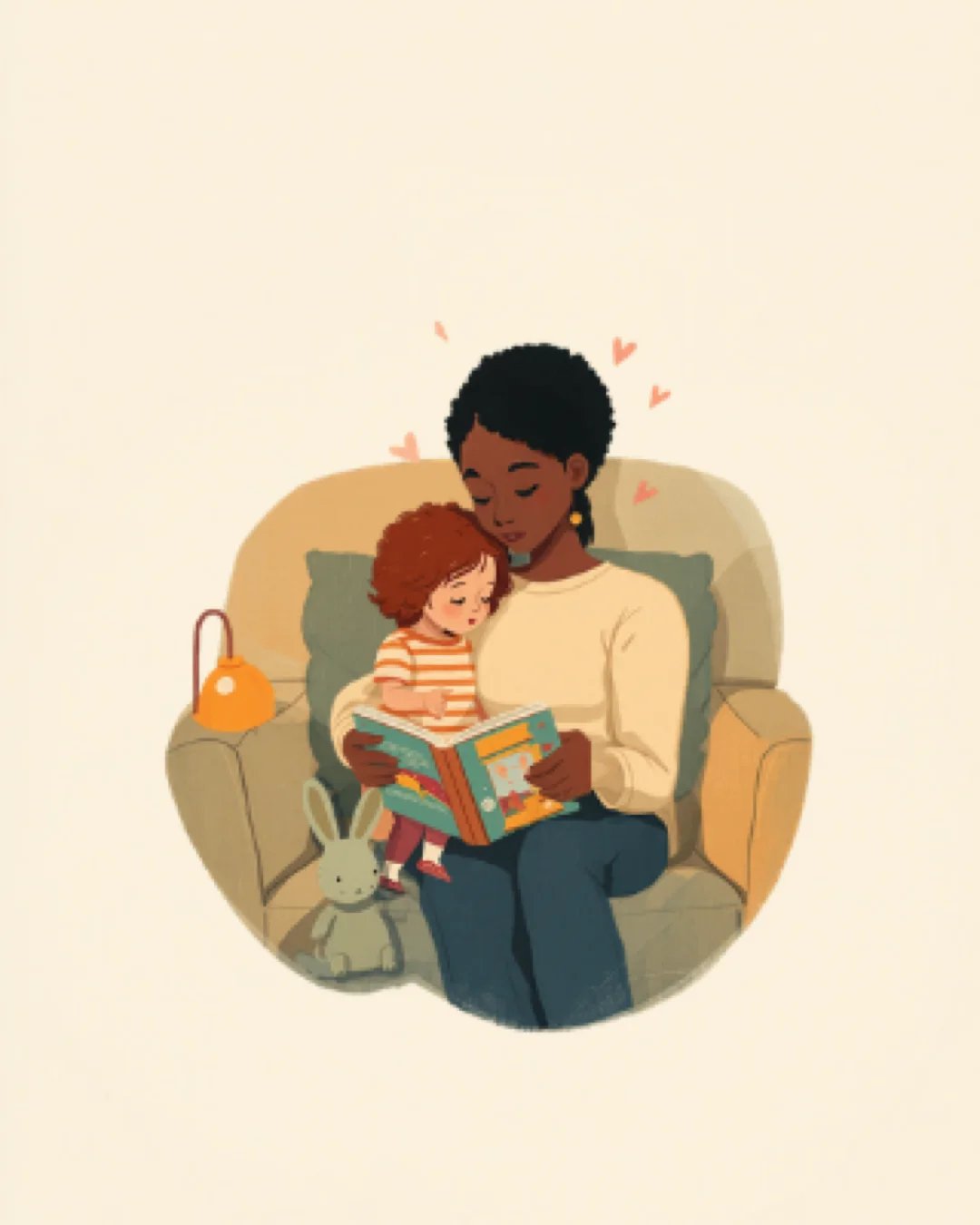
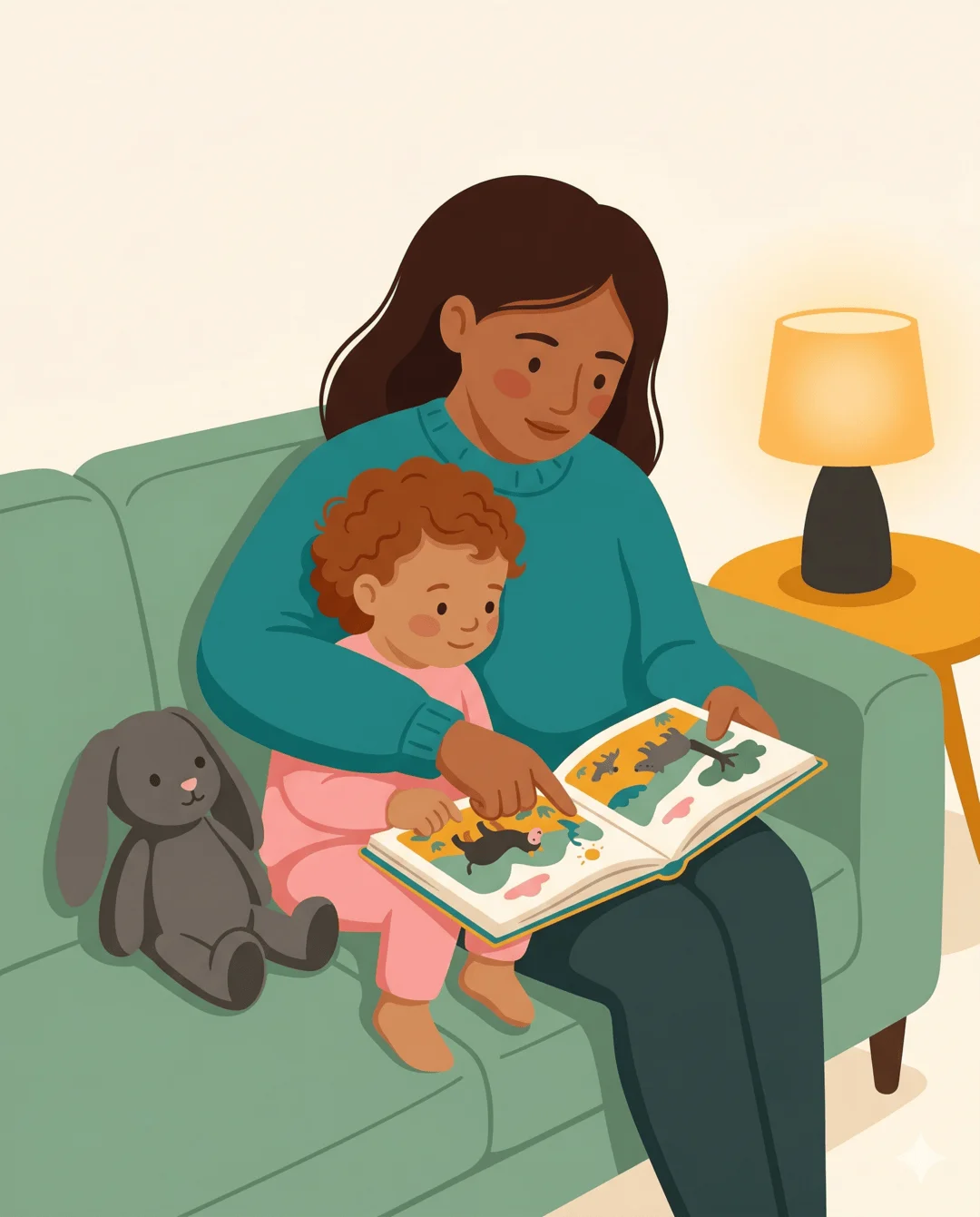
When big feelings take over, hold your toddler chest to chest and slow your own breathing right down, lending them your calm heartbeat to settle against until their own body catches up.

Activity details

18m3y8 minslowindoorNo prep

Instructions

Tiny Steps

Get ready
  • When your toddler is overwhelmed, get down to their level and offer your arms: 'Come here, I've got you.'
  • Hold them close, chest to chest, so their ear can rest near your heart.
  1. When your toddler is overwhelmed, get down to their level and offer your arms: 'Come here, I've got you.'
  2. Hold them close, chest to chest, so their ear can rest near your heart.
  3. Say very little — a few soft, repeated words like 'I'm here' are plenty.
  4. Slow your own breathing right down, taking long, deep breaths they can feel.
  5. Let your body go calm and still; resist the urge to fix or explain anything yet.
  6. Stay until you feel their breathing and body begin to match yours.
  7. Only once they are calmer, gently name what happened: 'That was a big feeling.'

Parent tip

Start before you overthink it. No-prep activities work best when you begin while the moment is still recoverable.
Relaxed child lying on a floor cushion with blanket and pinwheel in a cosy calm corner

What success looks like

A few quiet minutes together without pressure. If your child relaxes even slightly, that’s self-regulation building.

When big feelings take over, a small child cannot calm down alone — they borrow it from you. In a heartbeat hug, you hold your toddler close, chest to chest, and slow your own breathing right down so they can feel your steady heartbeat against them. You are not trying to talk them out of the feeling; you are lending them your calm body until their own settles. The quieter and slower you become, the more they have to match.

Why it helps

Zero to Three puts the parent's calm at the centre of a child's: 'You teach your child to calm herself by staying calm yourself when she loses control. This helps her feel safe.' A young child's nervous system regulates by borrowing a calmer one nearby, which is why slowing your own breathing and heartbeat does more than any words can in the heat of a meltdown. The heartbeat hug makes that borrowing physical — your steady body becomes the rhythm theirs can settle into.

Variations

  • Add a slow, swaying rock or a gentle back rub if your toddler finds movement or touch extra soothing.
  • Hum a low, slow tune so they feel the vibration in your chest as well as your heartbeat.
  • Use the same hug proactively at calm moments, so the position itself becomes a familiar signal for settling.

Safety tips

  • Only ever offer a hug, never restrain a child who wants space; some children need room rather than closeness when overwhelmed.
  • Mind your own regulation first; take a breath before you scoop them up, so the calm you offer is real.
  • Keep the hold gentle and let your child move or break away freely whenever they need to.

Get weekly activity ideas for your toddler

One email a week with practical toddler activities, behaviour tips, and developmental insights. No spam, unsubscribe any time.