
TinyStepper
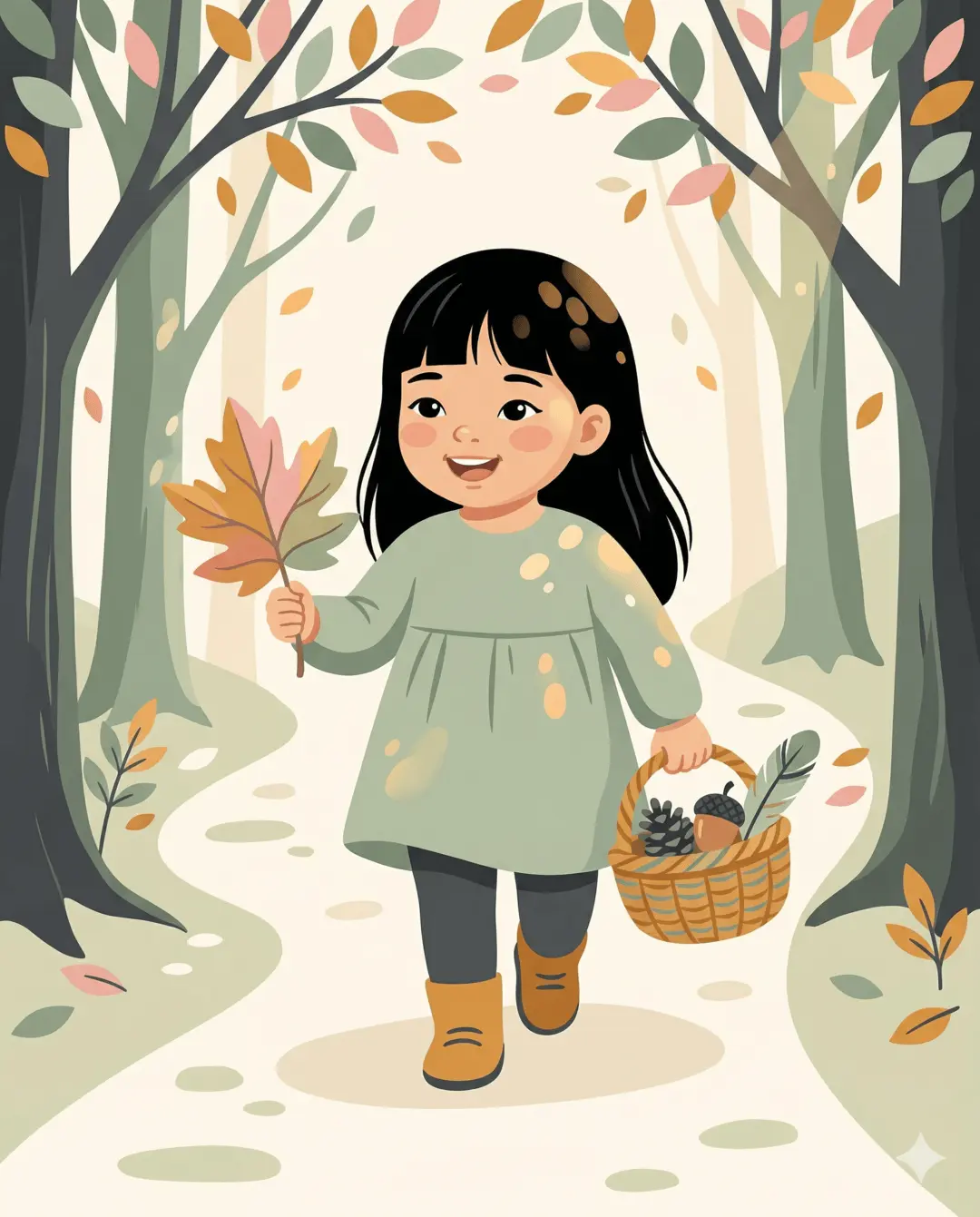
East Asian girl walking an autumn path holding a large leaf and wicker basket of treasures

Treasure Trail Stay-Close Walk

Before a walk, scatter small treasures along a short route — your toddler hunts for each one but must stay within arm's reach to get the next clue. Builds the habit of walking near you.

Activity details

2y4y15 minsmediumoutdoorSmall Bag

Instructions

Get ready
  • Before the walk, hide 5-6 small items along your route — a pinecone by the gate, a sticker on a wall, a feather under a bush.
  • Give your toddler a small bag or bucket to collect treasures.
  1. Before the walk, hide 5-6 small items along your route — a pinecone by the gate, a sticker on a wall, a feather under a bush.
  2. Give your toddler a small bag or bucket to collect treasures.
  3. Set the rule: 'Stay next to me and I will help you find the treasures!'
  4. Walk slowly and give clues: 'I think there is something hiding near that red door...'
  5. When they spot one, celebrate: 'You found it! Into the bag!'
  6. If they run ahead, stop walking and call: 'The clue only works when you are next to me!'
  7. Wait for them to return before giving the next clue.
  8. At the end, sit together and look at everything they collected.

Parent tip

Set out small bag before inviting your toddler in so the first minute feels smooth.
Toddler on a garden step examining a large leaf beside a basket of collected nature treasures

What success looks like

Curiosity in action — pointing, collecting, asking ‘what’s that?’ A child engaged with nature is learning without knowing it.

A medium-energy outdoor activity that turns the challenge of keeping your toddler close into a rewarding treasure hunt. By planting small items along a familiar walking route, you give your child a compelling reason to stay nearby — each treasure is only revealed when they are within arm's reach. Over time this builds the association between walking close and good things happening, strengthening the habit before you need it in busier environments.

Why it helps

The EYFS framework identifies sustained attention and concentration as key components of self-regulation, noting that these skills develop through engaging, child-led play. Toddlers who run away on walks are rarely being deliberately disobedient — they are following impulses that their immature prefrontal cortex cannot yet override. This activity builds the stay-close habit through positive reinforcement rather than restriction. Each treasure found near the parent creates an association between proximity and reward, and the predictable structure of the clue-walk gives the child a reason to regulate their own movement without needing to be physically held back.

Variations

  • Use a simple picture list of things to find for a visual treasure checklist.
  • Hide the items in your pockets and 'discover' them at interesting spots along the way.
  • Let your toddler hide treasures for you on the walk back home.

Safety tips

  • Walk the route beforehand to check for hazards and suitable hiding spots.
  • Always stay within arm's reach near roads, even during the game.
  • Choose quiet paths or parks rather than busy streets for the first few attempts.

Get weekly activity ideas for your toddler

One email a week with practical toddler activities, behaviour tips, and developmental insights. No spam, unsubscribe any time.