TinyStepper

Teddy's Potty Practice

At a glance: Help teddy learn to use the potty through pretend play, building your toddler's confidence and familiarity. A 10-minute, low-energy indoor activity for ages 19m3y.

Built by a parent of toddlersBest for 19m-3y

Field-tested ideas shaped by direct parenting experience and advice from reputable sources, including NHS Best Start in Life and NSPCC child development research.

19m3y10 minslow energyindoornone mess

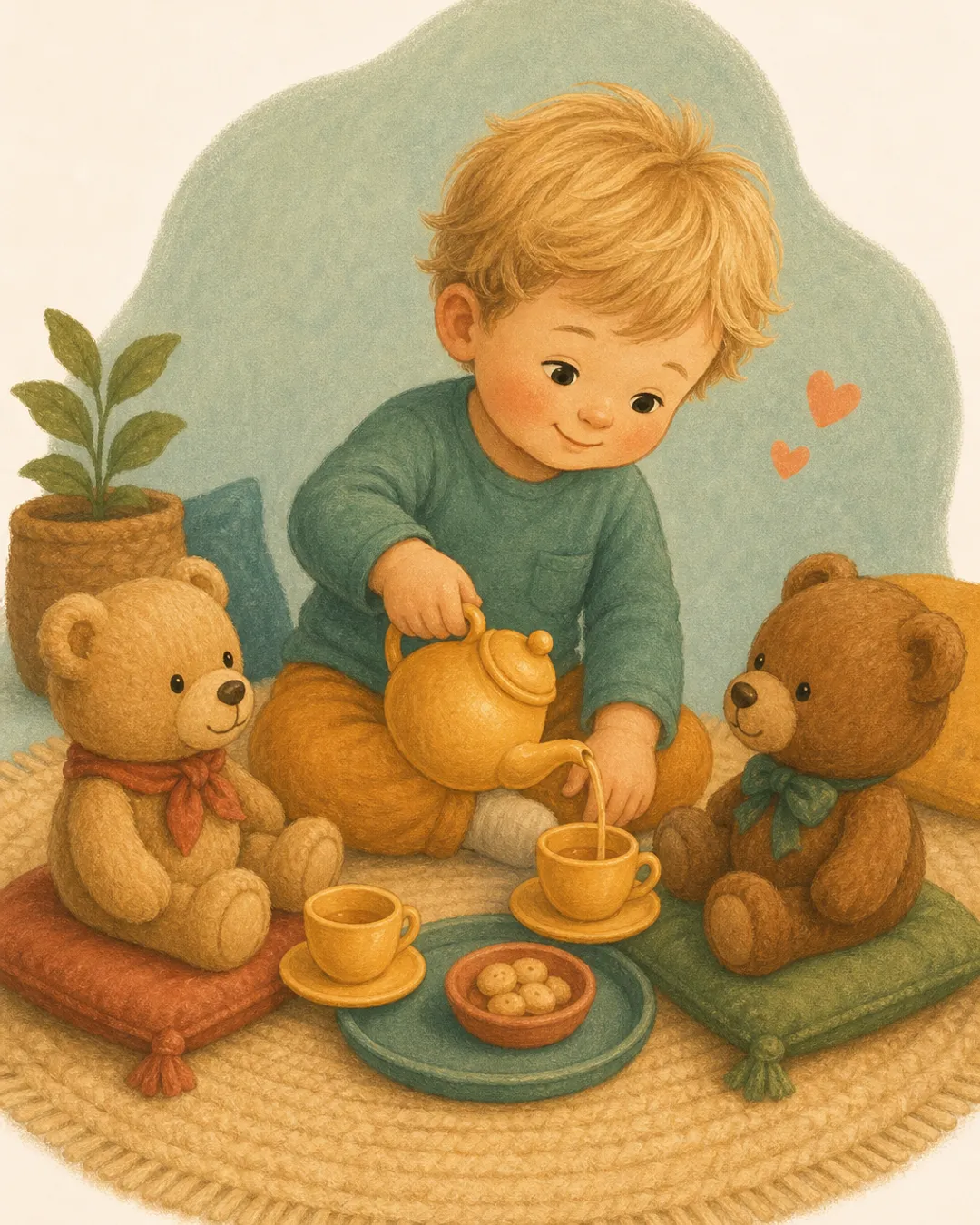
Set up a pretend potty scene where your toddler becomes the teacher, guiding their stuffed animal through each step — sitting down, waiting, celebrating. Role-playing the process removes performance pressure and lets toddlers rehearse the sequence without anxiety. When they're the expert helping teddy, they internalise the routine before applying it to themselves.

Best for this moment

for calmer, lower-pressure moments, especially when you need an indoor option.

Parent tip

Set out plastic cups and stuffed animals before inviting your toddler in so the first minute feels smooth.
What success looks like

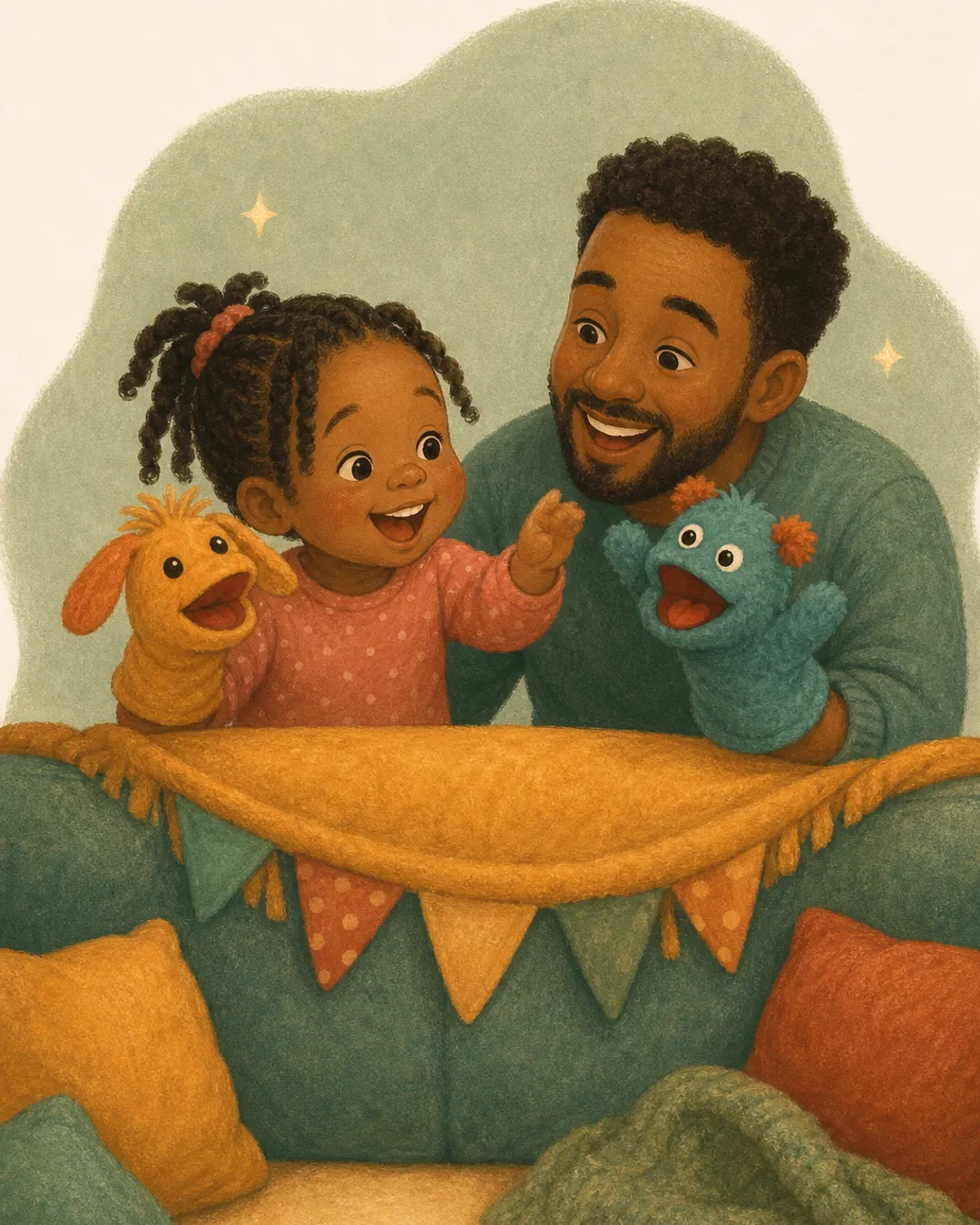
A good outcome is a few minutes of engaged play, some back-and-forth with you, and a small sign of progress in independence.

More help for this situation

Instructions

Get ready
  • Gather a favourite stuffed animal and a small container to act as teddy's potty
  • Explain the game: 'Teddy wants to learn to use the potty — can you teach him?'
  1. Gather a favourite stuffed animal and a small container to act as teddy's potty
  2. Explain the game: 'Teddy wants to learn to use the potty — can you teach him?'
  3. Walk teddy through each step: 'First, teddy sits down on the potty'
  4. Wait together: 'Let's count to ten while teddy tries'
  5. Celebrate teddy's attempt: 'Well done, teddy! You tried so hard!'
  6. Let your toddler wipe teddy and pull up pretend trousers
  7. Wash teddy's hands together at the sink
  8. Repeat with different stuffed animals if your toddler is engaged

Why it helps

Pretend play activates the prefrontal cortex and builds cognitive flexibility — the ability to rehearse a scenario mentally before doing it physically. By positioning the toddler as the competent teacher rather than the anxious learner, you leverage their natural desire for mastery and autonomy. Observational learning through role play is one of the most effective ways to reduce performance anxiety around new skills.

Variations

  • Let your toddler use a real potty seat for teddy instead of a container — it makes the pretend play feel more authentic.
  • Add a reward element: your toddler gives teddy a sticker after each attempt.
  • Extend the play by having teddy have an accident — 'Oh no! That's OK, teddy. Let's try again.' This normalises setbacks.

Safety tips

  • Ensure the container used as teddy's potty has no sharp edges.
  • Never pressure your toddler to try the real potty during or after this game — let the connection happen naturally.
  • If your toddler becomes upset or resistant, stop the game cheerfully and try again another day.

When to pause and seek extra support

Stop if your child becomes distressed, unsafe, or consistently frustrated by the activity. If play, behaviour, or development worries keep showing up across settings, check in with a qualified professional.

Get weekly activity ideas for your toddler

One email a week with practical toddler activities, behaviour tips, and developmental insights. No spam, unsubscribe any time.