TinyStepper

Squeeze and Release Play

At a glance: Squeeze sponges, cotton balls, and play dough, then release — a calming sensory rhythm. A 8-minute, medium-energy indoor activity for ages 12m3y. No prep needed.

Built by a parent of toddlersBest for 12m-3y

Field-tested ideas shaped by direct parenting experience and advice from reputable sources, including NHS Best Start in Life and NSPCC child development research.

12m3y8 minsmedium energyindoornone messNo prep

Give your toddler different items to squeeze as hard as they can, then let go: sponges, cotton balls, play dough, even a rolled-up sock. The squeeze-release pattern mirrors the tension-relaxation cycle used in adult stress management. It gives tiny hands something purposeful to do with the physical urge to grab, squeeze, and clench that accompanies frustration.

Best for this moment

when your toddler needs focused engagement, especially when you need an indoor option.

Parent tip

Start before you overthink it. No-prep activities work best when you begin while the moment is still recoverable.

What success looks like

A good outcome is a few minutes of engaged play, some back-and-forth with you, and a small sign of progress in emotional regulation.

More help for this situation

Instructions

Get ready
  • Gather 3-4 squeezable items: sponge, cotton balls, play dough, rolled sock
  • Sit together and pick up the first item
  1. Gather 3-4 squeezable items: sponge, cotton balls, play dough, rolled sock
  2. Sit together and pick up the first item
  3. Model: 'Squeeze it really tight... tighter... now let go!'
  4. Notice together: 'How do your hands feel now? Tingly? Relaxed?'
  5. Try each item — talk about the differences: 'The sponge squishes, the play dough stays'
  6. Add a rhythm: 'Squeeze, two, three — release, two, three'
  7. End with open hands: 'Shake them out! All the tension is gone'

Why it helps

Progressive muscle relaxation (tension followed by release) is one of the most evidence-based calming techniques. Adapting it for toddlers through squeezable objects makes it accessible from 12 months. The varied textures provide rich sensory input that helps regulate the nervous system, and the hand-strengthening benefits support fine motor development for later writing and self-feeding.

Variations

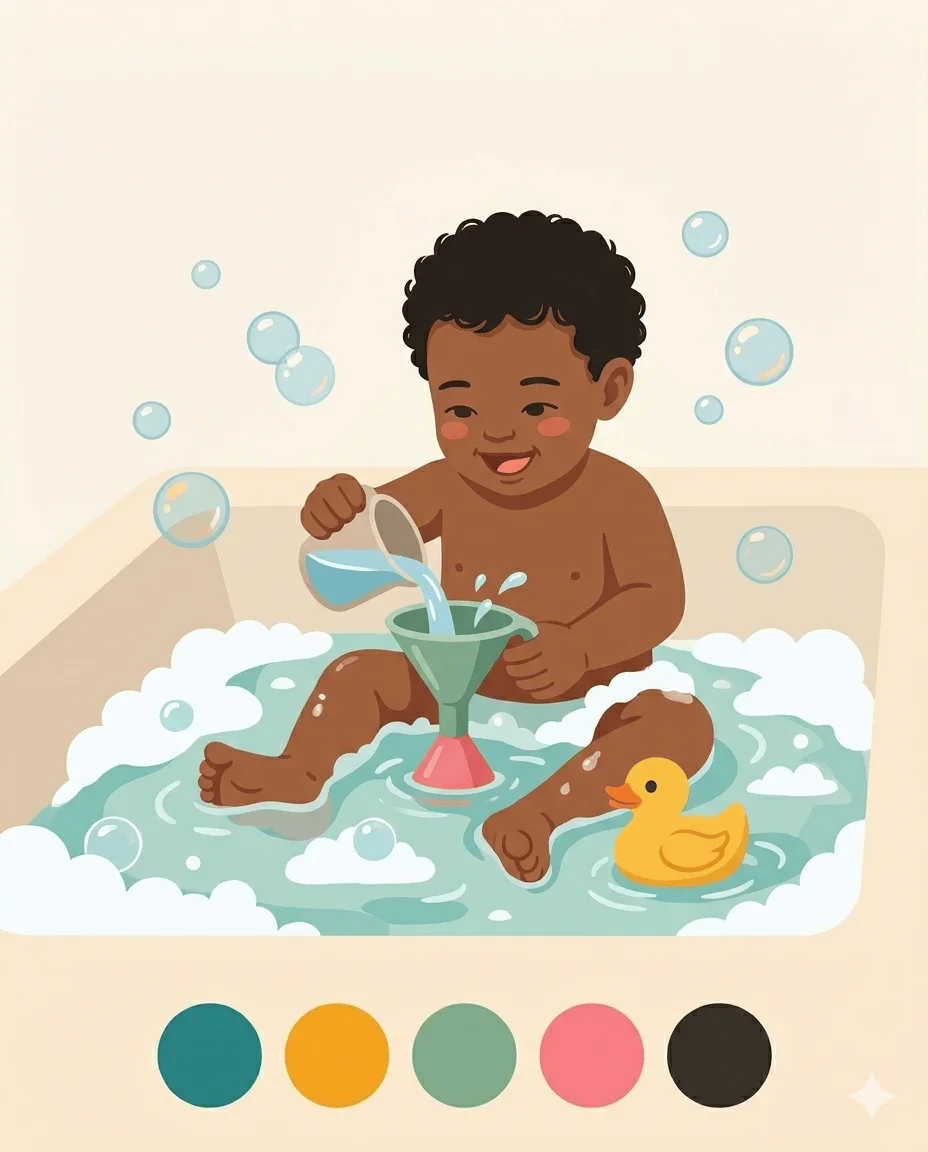
  • Squeeze wet sponges over a basin for a water-play extension.
  • Try squeezing with feet too for whole-body awareness.
  • Make it a game: 'Squeeze when the music plays, release when it stops.'

Safety tips

  • Ensure all items are too large to be a choking hazard for younger toddlers.
  • Supervise use of sponges — small pieces can break off.
  • If using play dough, choose non-toxic varieties safe for mouthing.

When to pause and seek extra support

Stop if your child becomes distressed, unsafe, or consistently frustrated by the activity. If play, behaviour, or development worries keep showing up across settings, check in with a qualified professional.

Get weekly activity ideas for your toddler

One email a week with practical toddler activities, behaviour tips, and developmental insights. No spam, unsubscribe any time.