TinyStepper
Girl crouching by a raised bed watering a seedling with a teal can, ladybird on a leaf

Spotting the Little Ones Walk

A short outdoor walk where you spot every newborn or tiny one you see — in pushchairs, in carriers, on benches — and talk about what they're doing.

Activity details

18m4y20 minsmediumoutdoorNo prep

Instructions

Get ready
  • Head out for a walk in a park or busy local street where you're likely to see other parents with newborns.
  • Tell your child: 'Today we're spotting tiny ones. Let me know if you see any.'
  1. Head out for a walk in a park or busy local street where you're likely to see other parents with newborns.
  2. Tell your child: 'Today we're spotting tiny ones. Let me know if you see any.'
  3. When your child spots one — or you do — stop and look from a respectful distance.
  4. Whisper: 'What is that little one doing right now?'
  5. Give your child time to look. 'Is she sleeping? Is she looking around? What can you see?'
  6. Explain what you notice: 'Her eyes are open. She's tucked into the carrier so she feels safe.'
  7. Move on. Point out three or four more newborns over the course of the walk.
  8. On the way home, ask: 'What did the little ones look like?' Build their summary skills.

Parent tip

Start before you overthink it. No-prep activities work best when you begin while the moment is still recoverable.
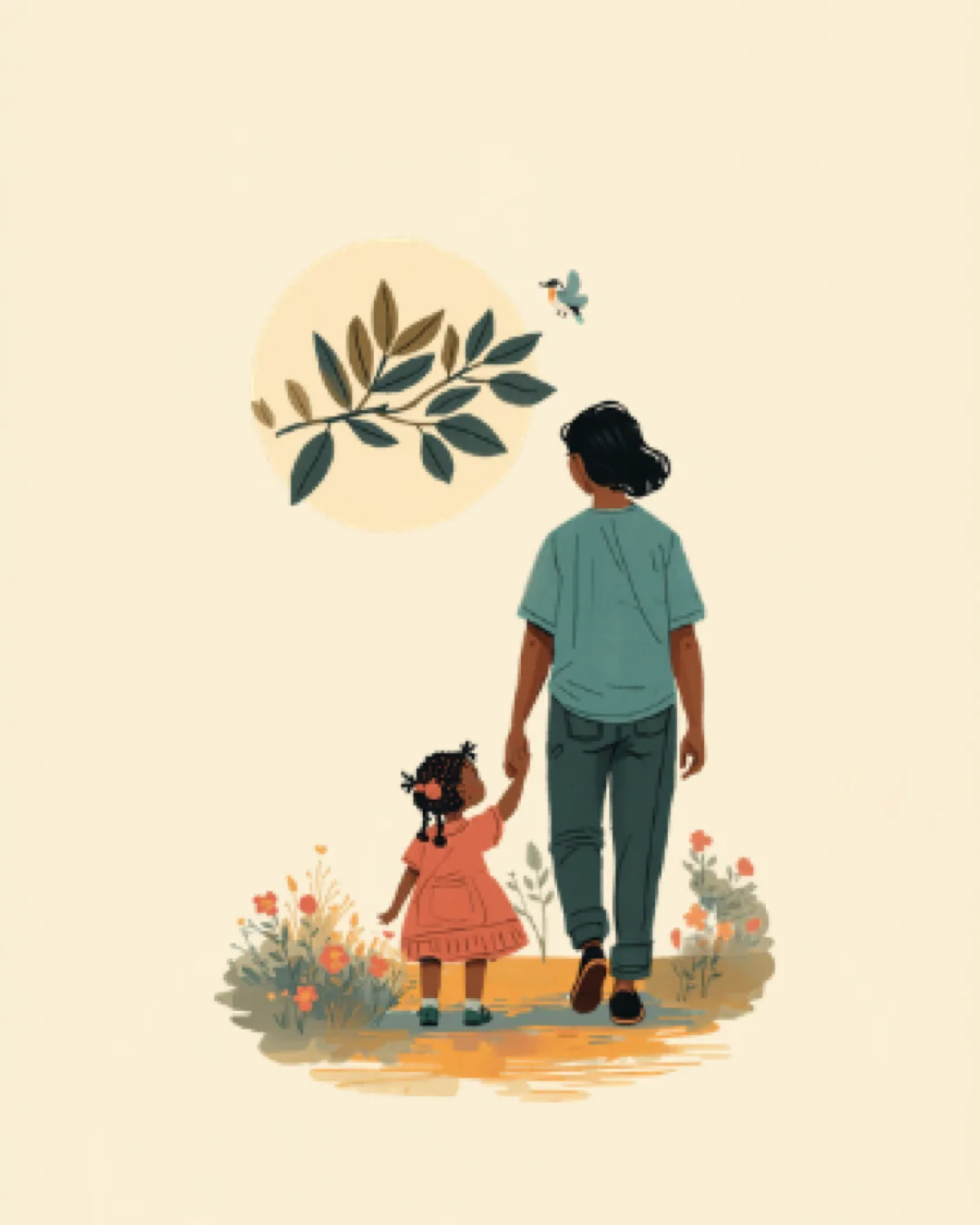
Toddler on a garden step examining a large leaf beside a basket of collected nature treasures

What success looks like

Curiosity in action — pointing, collecting, asking ‘what’s that?’ A child engaged with nature is learning without knowing it.

Head out for a walk in the local park or shopping street and turn it into a spotting game: every time you see a small newborn in a pushchair or carrier, you both stop and have a quick whispered chat about what they're doing. Sleeping. Looking around. Being held. Toddlers learn what newborns are like by seeing them in the real world, and pointing them out together turns abstract anticipation into concrete, observable knowledge they can refer back to later.

Why it helps

Zero to Three guidance for first-born preparation specifically suggests creating opportunities for the older child to be with newborns: 'Point out babies you see when you are out and about. Visit friends who have a new little one and talk about what babies are like — what they can and can't do, how they behave, and what kind of care they need.' Real-world observation builds the toddler's mental model of what is coming far better than any book.

Variations

  • If pushchairs are scarce, look at children's books in the library that show newborns.
  • Keep a small running tally on a slip of paper — five tiny ones spotted today.
  • On the next walk, let your child invent a name for one of the newborns you spot — purely pretend.

Safety tips

  • Don't approach strangers with newborns up close — observe from a respectful distance.
  • Avoid pointing at newborns in distress; choose calm-looking moments.
  • If your child gets attached to wanting to touch a newborn, gently redirect to looking only.

Get weekly activity ideas for your toddler

One email a week with practical toddler activities, behaviour tips, and developmental insights. No spam, unsubscribe any time.