TinyStepper

Sound Walk

At a glance: Walk outside together — stop when you hear a sound and name it. 'Car! Beep beep! Bird! Tweet tweet!' A 15-minute, medium-energy outdoor activity for ages 18m3y. No prep needed.

Built by a parent of toddlersBest for 18m-3y

Field-tested ideas shaped by direct parenting experience and advice from reputable sources, including NHS Best Start in Life and NSPCC child development research.

18m3y15 minsmedium energyoutdoornone messNo prep

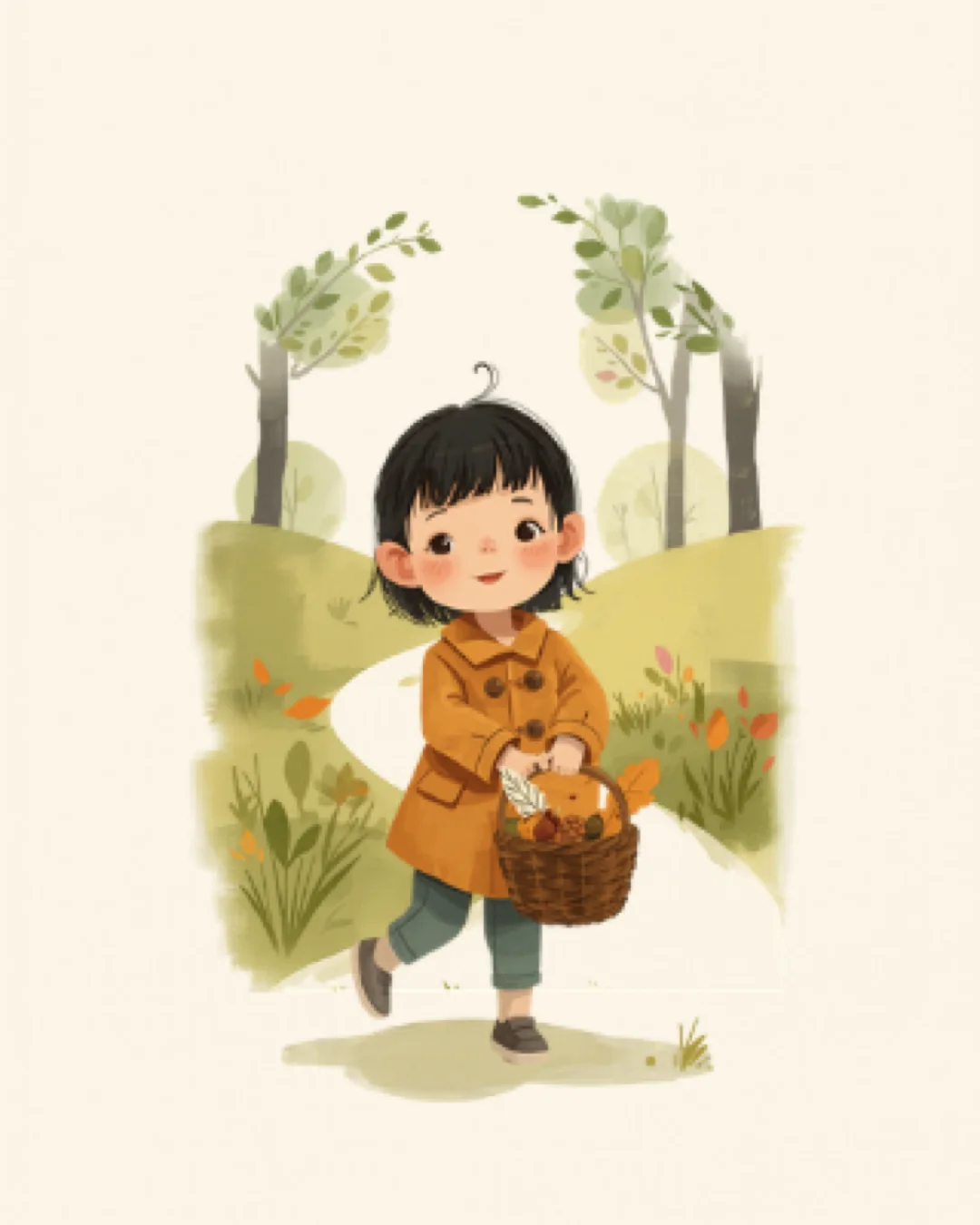
Take a walk with one simple focus: listening. When you hear a sound — a car, a bird, a dog barking, a plane overhead — stop, point, and name it. 'Listen! What's that? A bird! Tweet tweet!' Then walk on until the next sound. This develops listening skills (auditory discrimination), connects sounds to words, and introduces onomatopoeia — words that toddlers find irresistible.

Best for this moment

when your toddler needs focused engagement, especially when you need an outdoor option.

Parent tip

Start before you overthink it. No-prep activities work best when you begin while the moment is still recoverable.
What success looks like

A good outcome is a few minutes of engaged play, some back-and-forth with you, and a small sign of progress in focus and attention.

More help for this situation

Instructions

Get ready
  • Head out for a walk — buggy or walking
  • Walk slowly and LISTEN
  1. Head out for a walk — buggy or walking
  2. Walk slowly and LISTEN
  3. When you hear a sound, stop: 'Listen! What's that?'
  4. Point toward the sound: 'A car! Vroom vroom!'
  5. Wait — see if toddler copies the sound or points
  6. Walk on until the next sound: 'A bird! Tweet tweet!'
  7. At the end: 'We heard so many sounds today!'

Why it helps

Listening is the prerequisite for speech — children need to discriminate between sounds before they can produce them. Sound walks train auditory attention in the real world, and naming environmental sounds introduces vocabulary that connects to everyday experience. This supports the listening and attention development highlighted by Speech and Language UK.

Variations

  • Do it indoors: fridge humming, clock ticking, rain on windows.
  • Count the sounds: 'We heard 5 sounds today!'
  • For older toddlers: 'Close your eyes — what can you hear?'

Safety tips

  • Hold hands near roads — the stopping-and-listening game can be distracting.
  • Choose a safe, quiet-ish route where sounds are clear.
  • Don't stand too close to very loud sounds (construction, buses).

When to pause and seek extra support

Stop if your child becomes distressed, unsafe, or consistently frustrated by the activity. If play, behaviour, or development worries keep showing up across settings, check in with a qualified professional.

Get weekly activity ideas for your toddler

One email a week with practical toddler activities, behaviour tips, and developmental insights. No spam, unsubscribe any time.