TinyStepper

Sink or Float Bath Lab

At a glance: Drop household items into the bath and predict together — will it sink or float? Simple science at bath time. A 10-minute, low-energy indoor activity for ages 2y4y.

Built by a parent of toddlersBest for 2y-4y

Field-tested ideas shaped by direct parenting experience and advice from reputable sources, including NHS Best Start in Life and NSPCC child development research.

2y4y10 minslow energyindoorsome mess

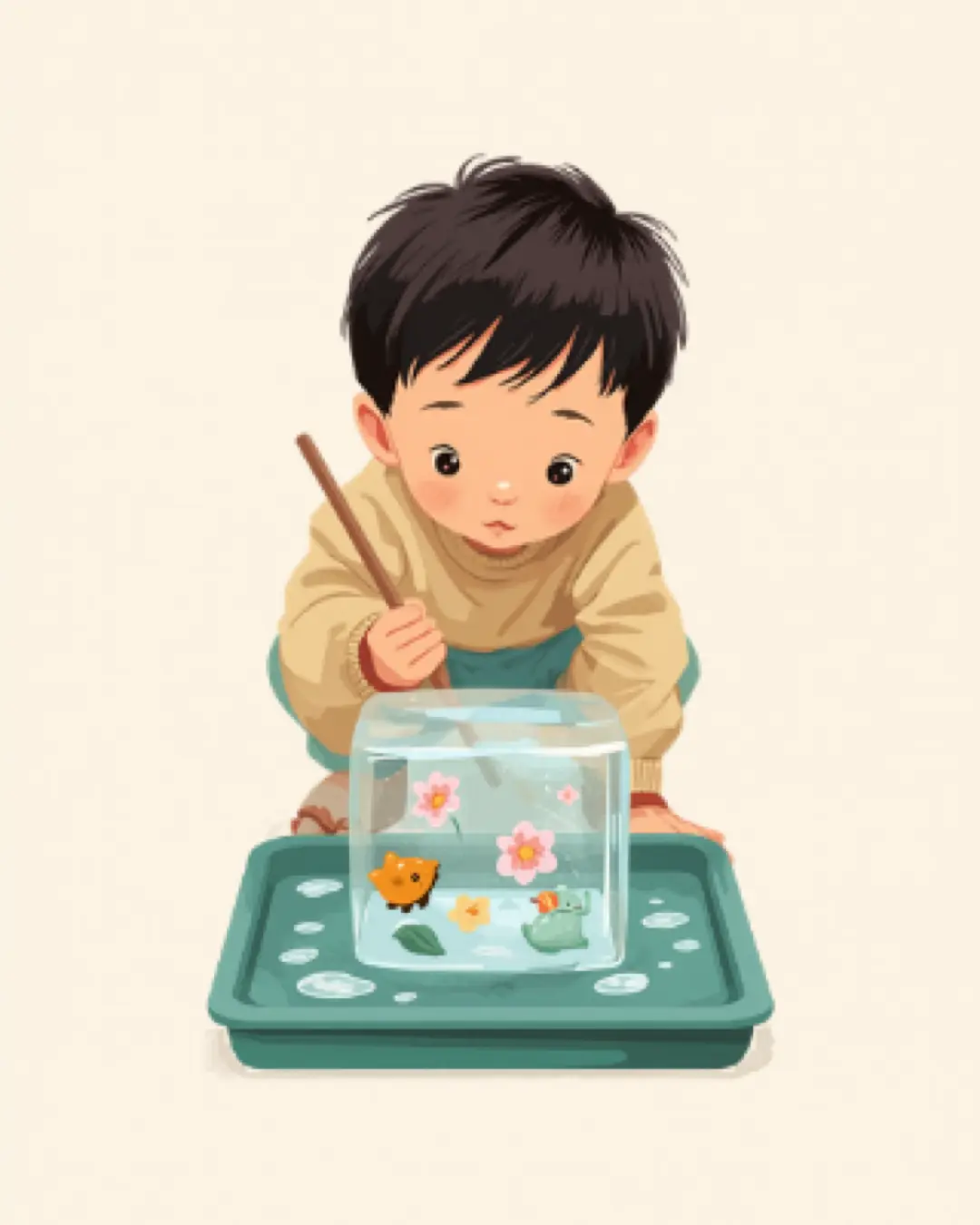
Gather a few household items — a sponge, a metal spoon, a rubber duck, a plastic cup — and bring them to the bath. Before dropping each one in, ask your toddler: 'What do you think — will it sink or float?' Drop it in and watch together. The surprise of a heavy-looking sponge floating or a small coin sinking sparks genuine curiosity. It's simple science in a space your toddler is already in, turning bath time from a chore into an experiment.

Best for this moment

for calmer, lower-pressure moments, especially when you need an indoor option.

Parent tip

Set out plastic cups and sponges before inviting your toddler in so the first minute feels smooth.
What success looks like

A good outcome is a few minutes of engaged play, some back-and-forth with you, and a small sign of progress in cognitive skills.

More help for this situation

Instructions

Get ready
  • Gather 5-6 household items of different weights and materials
  • Bring them to the bath in a small container
  1. Gather 5-6 household items of different weights and materials
  2. Bring them to the bath in a small container
  3. Hold up the first item: 'This is a sponge. Will it sink or float?'
  4. Let your toddler make a prediction — thumbs up for float, thumbs down for sink
  5. Drop it in together and watch: 'It floats! Were you right?'
  6. Try the next item — mix easy and surprising ones
  7. After testing everything, let your toddler experiment freely: pushing floaters down, stacking sinkers

Why it helps

Prediction and observation are foundational scientific thinking skills. When toddlers guess and then check, they're practising hypothesis testing — the basis of all inquiry-based learning. The hands-on, sensory-rich environment of the bath makes abstract concepts like density and buoyancy concrete and memorable. It also extends bath time naturally, which is helpful when you need a few extra minutes.

Variations

  • Sort the items into two piles after testing: 'sinkers' and 'floaters.'
  • Try the same item in different forms — a flat piece of foil vs a scrunched ball.
  • Use bath toys your toddler already has and predict which will float.

Safety tips

  • Only use items that are too large to be a choking hazard.
  • Avoid glass, sharp metal, or anything that could break in water.
  • Supervise closely — never leave your toddler unattended in the bath, even briefly.

When to pause and seek extra support

Stop if your child becomes distressed, unsafe, or consistently frustrated by the activity. If play, behaviour, or development worries keep showing up across settings, check in with a qualified professional.

Get weekly activity ideas for your toddler

One email a week with practical toddler activities, behaviour tips, and developmental insights. No spam, unsubscribe any time.