TinyStepper

Sibling Dance-Off Duet

At a glance: Siblings learn a simple dance together and perform it for the family. A 10-minute, high-energy indoor activity for ages 18m4y. No prep needed.

Built by a parent of toddlersBest for 18m-4y

Field-tested ideas shaped by direct parenting experience and advice from reputable sources, including NHS Best Start in Life and NSPCC child development research.

18m4y10 minshigh energyindoornone messNo prep

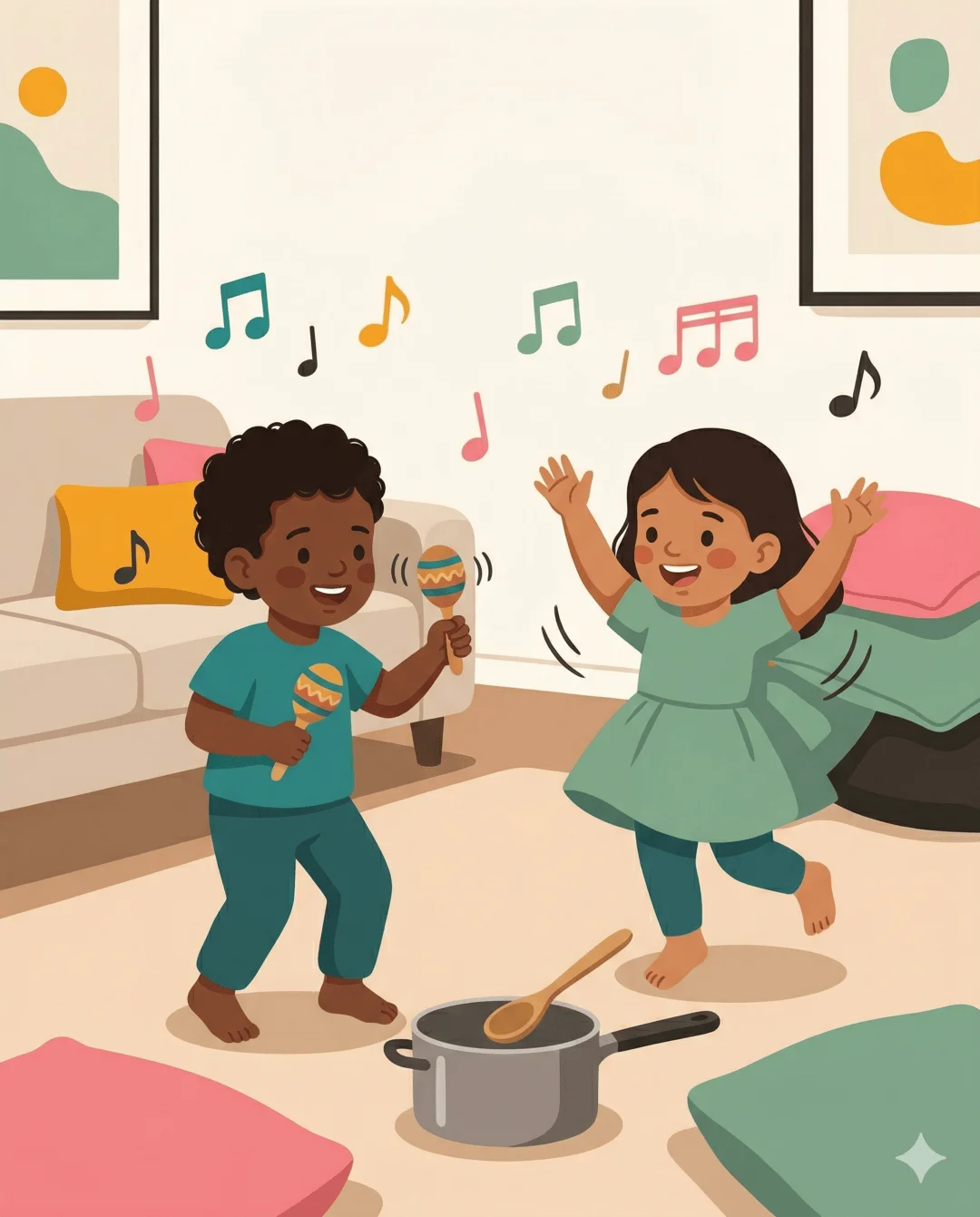
Instead of competing in a dance-off, siblings learn a short, silly dance together and perform it as a team for parents or grandparents. The 'show' format makes them collaborators preparing a performance, not rivals battling for attention. The physical movement burns energy while the shared creative process builds connection and gives both children the spotlight equally.

Best for this moment

when your toddler needs to move and burn energy, especially when you need an indoor option.

Parent tip

Start before you overthink it. No-prep activities work best when you begin while the moment is still recoverable.
What success looks like

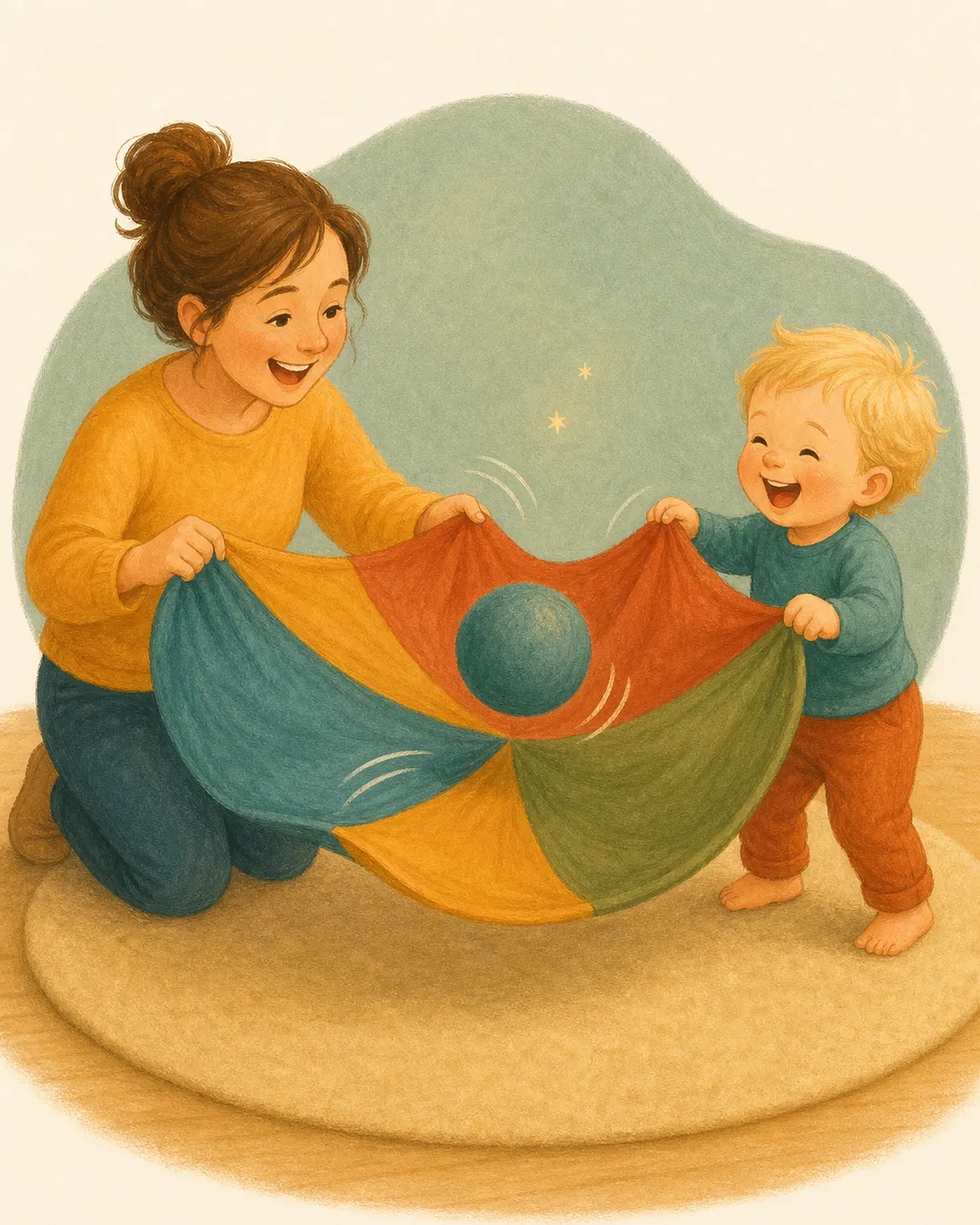
A good outcome is a few minutes of engaged play, some back-and-forth with you, and a small sign of progress in body awareness.

More help for this situation

Instructions

Get ready
  • Put on a song everyone enjoys
  • Suggest a few simple moves together: 'Spin around, then jump, then wiggle'
  1. Put on a song everyone enjoys
  2. Suggest a few simple moves together: 'Spin around, then jump, then wiggle'
  3. Practise the moves together — exaggerate your own to make them laugh
  4. Let each child add one move to the routine
  5. Run through the 'dance' 2-3 times
  6. Set up an audience (other parent, stuffed animals, the cat)
  7. Perform together — cheer and clap loudly at the end
  8. Take a bow together

Why it helps

Preparing a joint performance requires children to cooperate, compromise, and work towards a shared goal — skills that directly reduce conflict. High-energy dancing provides the proprioceptive and vestibular sensory input that helps regulate emotions. Performing together and receiving shared applause reinforces the idea that collaboration, not competition, gets the best response.

Variations

  • Use scarves or ribbons to wave during the dance for extra flair.
  • Record the performance on your phone — they will want to watch it back.
  • Choose a different song each time and let each child pick one.

Safety tips

  • Clear the dance floor of toys, shoes, and anything slippery.
  • Ensure enough space between dancers to avoid accidental collisions.
  • Keep the volume comfortable — excited toddlers plus loud music can overwhelm younger siblings.

When to pause and seek extra support

Stop if your child becomes distressed, unsafe, or consistently frustrated by the activity. If play, behaviour, or development worries keep showing up across settings, check in with a qualified professional.

Get weekly activity ideas for your toddler

One email a week with practical toddler activities, behaviour tips, and developmental insights. No spam, unsubscribe any time.