Parent tip
Set out bucket and plastic containers before inviting your toddler in so the first minute feels smooth.
Combine wet and dry sand, add water gradually, and discover how the texture changes from dusty to sludgy to solid.
Tiny Steps
Set out bucket and plastic containers before inviting your toddler in so the first minute feels smooth.

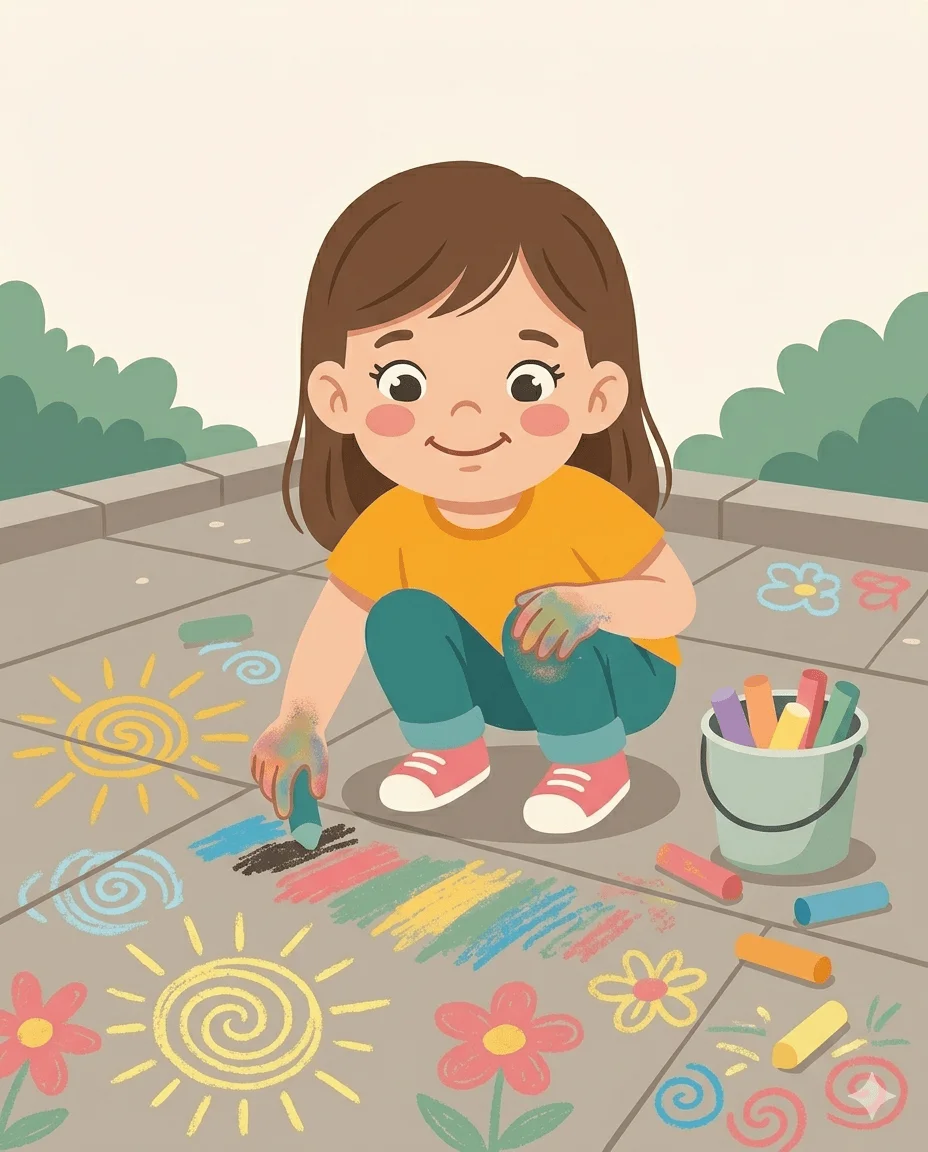
Messy hands and a child who doesn’t want to stop. The artwork doesn’t need to look like anything — the process is the point.
Set up two tubs: one with dry sand, one with water. Let your toddler gradually add water to the sand, mixing with their hands and tools. Watch the transformation: dusty → damp → clumpy → sludgy → pourable. The same material behaves completely differently depending on how much water is added. This is hands-on materials science for toddlers — observing, predicting, and testing how substances change when combined.
The NHS Best Start in Life programme highlights sensory play — including activities that provide deep pressure and body awareness — as supporting children's emotional regulation and physical development. Observing material state changes (dry to wet, loose to packed, powder to sludge) is foundational scientific reasoning. The tactile contrast between dry sand (light, flowing, ticklish) and wet sand (heavy, packed, cold) provides rich sensory discrimination practice. Mixing also builds proprioceptive strength — stirring heavy wet sand requires significantly more force than light dry sand, giving graded resistance training for the hands and arms.
One email a week with practical toddler activities, behaviour tips, and developmental insights. No spam, unsubscribe any time.