Parent tip
Set out construction paper and stickers before inviting your toddler in so the first minute feels smooth.
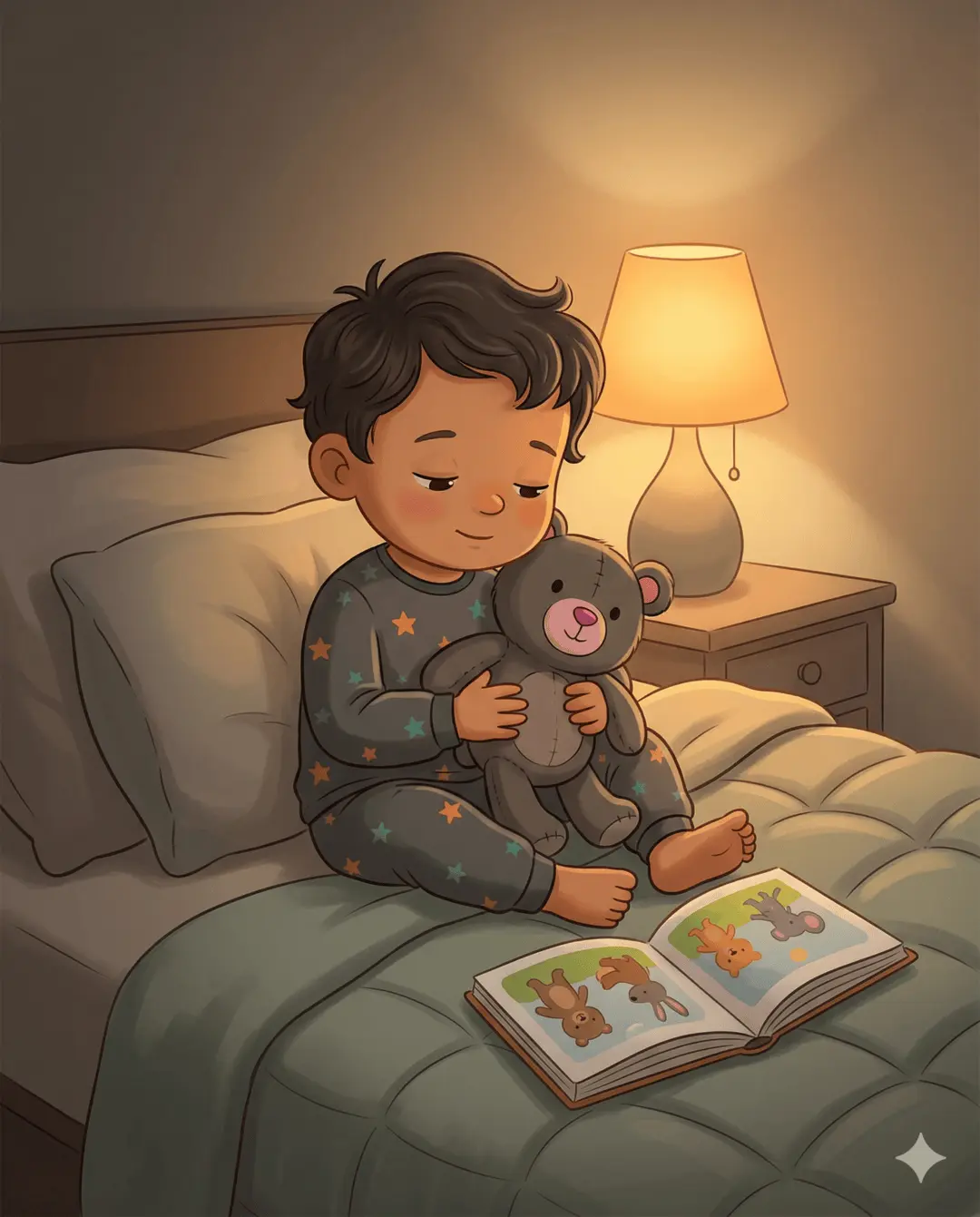
Every potty attempt earns a high-five and sticker — celebrating trying, not outcomes.
Tiny Steps
Set out construction paper and stickers before inviting your toddler in so the first minute feels smooth.

A few quiet minutes together without pressure. If your child relaxes even slightly, that’s self-regulation building.
Create a simple chart on the bathroom wall. Every time your toddler sits on the potty — regardless of whether anything happens — they earn a high-five and place a sticker on the chart. After filling a row, celebrate with a silly dance or their favourite song. The focus is entirely on the attempt, never the result. This reframes potty training from pass/fail to a streak of brave tries.
Birth to 5 Matters identifies co-regulation — where adults and children work together toward emotional balance — as the foundation from which children develop independent self-regulation. Rewarding effort rather than outcome is a core principle of growth mindset research. When toddlers are praised for trying, they develop intrinsic motivation and resilience. A visible, growing chart provides concrete evidence of their bravery, which builds the self-efficacy needed to push through discomfort. The accumulation of stickers also makes progress tangible in a way that abstract praise cannot. The EYFS Personal, Social and Emotional Development goals identify self-regulation as a key milestone — and calm, playful practice is how children get there.
One email a week with practical toddler activities, behaviour tips, and developmental insights. No spam, unsubscribe any time.