Parent tip
Start before you overthink it. No-prep activities work best when you begin while the moment is still recoverable.
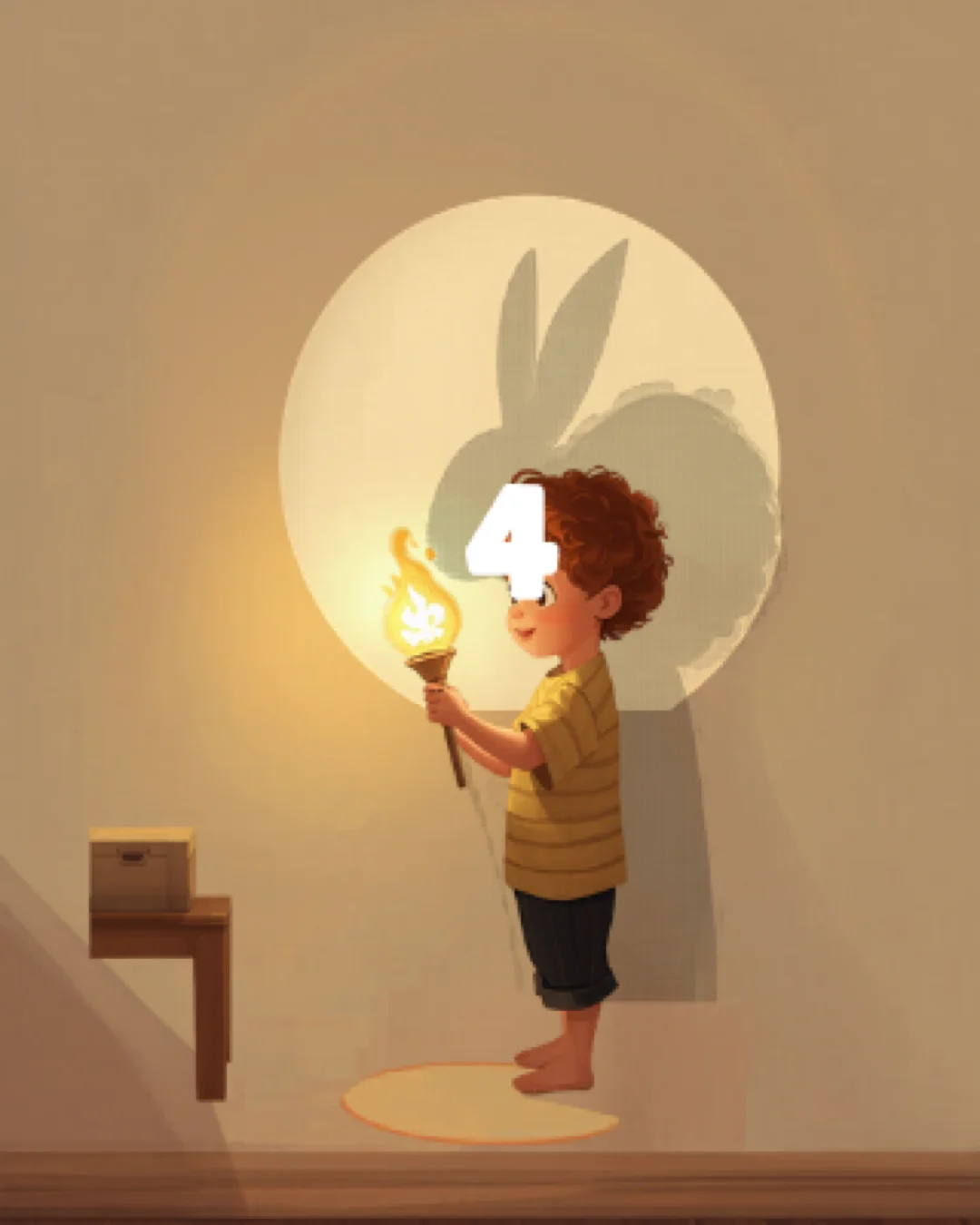
Practise saying hello, waving, and making eye contact when someone arrives — building social confidence at home first.
Tiny Steps
Start before you overthink it. No-prep activities work best when you begin while the moment is still recoverable.

Intense focus, even briefly. Watch for the small ‘aha’ moment when they figure out how something works.
When a family member comes home or a visitor arrives, practise the greeting together before they enter: 'When Daddy opens the door, let's say hello and wave!' Start with just a wave, then add words: 'Hello!' Then eye contact. Build it up gradually over weeks. Practising at home with familiar people creates a safe rehearsal space for the greetings toddlers will need in the wider world — at nursery, in shops, with relatives.
The EYFS framework places consistent routines and predictable transitions at the heart of supporting young children's emotional security and self-regulation. Social greetings are a learned skill, not an innate behaviour — toddlers need explicit teaching and repeated practice. Greeting scripts reduce the social anxiety of encounters with others by making the expected behaviour predictable. Practising at home with safe, familiar people builds the procedural memory and social confidence that toddlers can then draw on in less familiar settings like nursery or the shops.
One email a week with practical toddler activities, behaviour tips, and developmental insights. No spam, unsubscribe any time.