TinyStepper

Bye-Bye Activity Ritual

At a glance: Teach your toddler to say a cheerful goodbye to whatever they were doing — a sweet closure routine that eases every transition. A 5-minute, low-energy both activity for ages 12m3y. No prep needed.

Built by a parent of toddlersBest for 12m-3y

Field-tested ideas shaped by direct parenting experience and advice from reputable sources, including NHS Best Start in Life and NSPCC child development research.

12m3y5 minslow energybothnone messNo prep

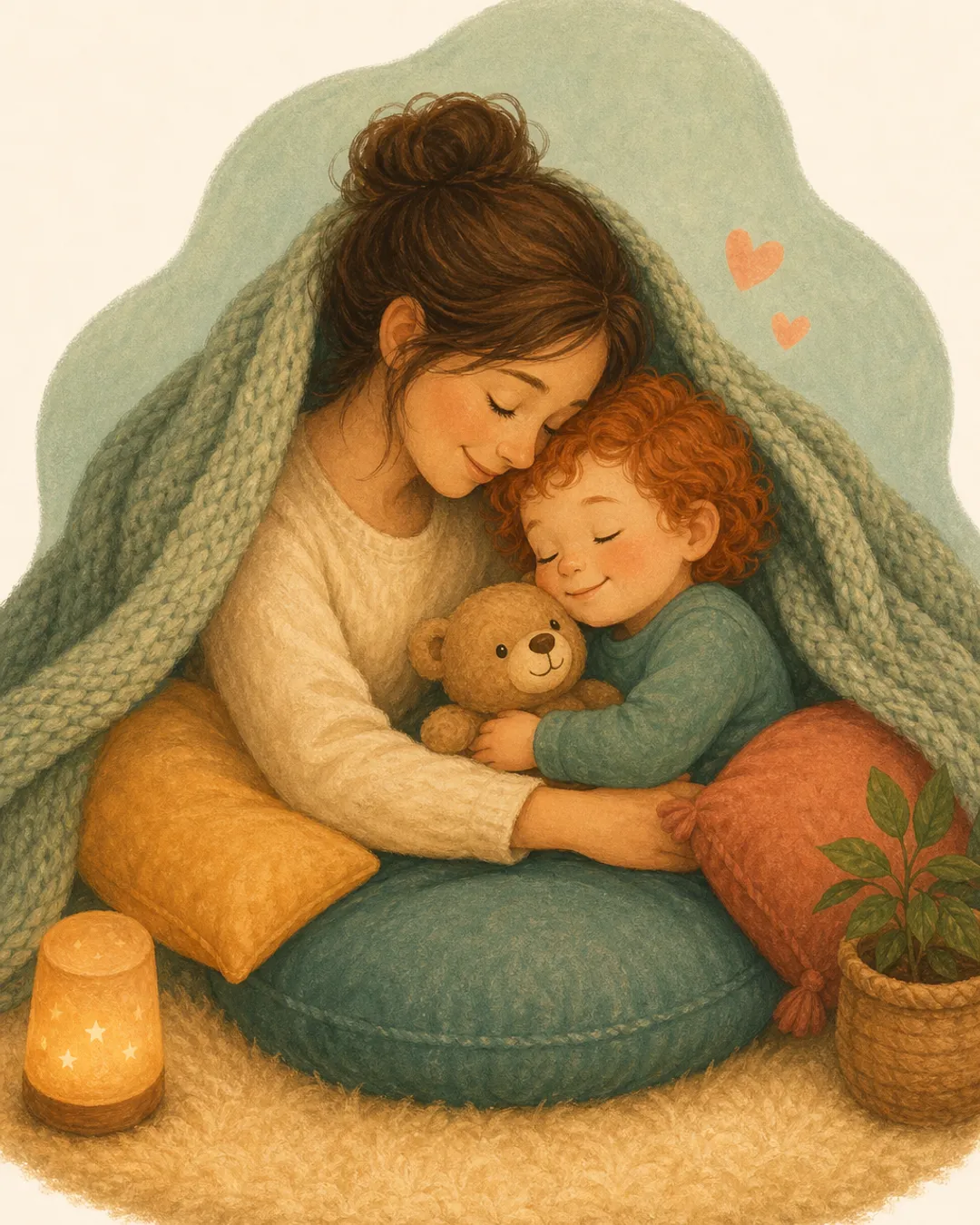
Instead of abruptly ending an activity, this ritual gives your toddler a moment to say goodbye to it. They wave, blow a kiss, or say 'Bye-bye, blocks! See you later!' before moving on. This simple act of closure acknowledges the child's attachment to what they were enjoying and gives them an active role in the ending. It transforms a moment of loss (my fun is being taken away) into a moment of agency (I am choosing to say goodbye). The ritual is quick, portable, and works for every transition — from playground to car, from telly to dinner, from play to bed.

Best for this moment

for calmer, lower-pressure moments, especially when you need something flexible indoors or outdoors.

Parent tip

Start before you overthink it. No-prep activities work best when you begin while the moment is still recoverable.
What success looks like

A good outcome is a few minutes of engaged play, some back-and-forth with you, and a small sign of progress in emotional regulation.

More help for this situation

Instructions

Get ready
  • When a transition is approaching, give a gentle warning: 'Two more minutes of playing, and then we'll say bye-bye to the toys.'
  • When the time comes, model the goodbye yourself: 'Bye-bye, building blocks! Thanks for the fun game. See you later!'
  1. When a transition is approaching, give a gentle warning: 'Two more minutes of playing, and then we'll say bye-bye to the toys.'
  2. When the time comes, model the goodbye yourself: 'Bye-bye, building blocks! Thanks for the fun game. See you later!'
  3. Wave to the activity or toy together. Use a warm, cheerful tone — not hurried or dismissive.
  4. Invite your child to say goodbye too: 'Can you wave bye-bye to the blocks? They'll be here when we come back.'
  5. Add a small ritual gesture — blowing a kiss, giving the toy a pat, or putting it 'to sleep' in its box.
  6. Immediately name what comes next: 'Now we're going to have dinner — yum! Let's walk to the kitchen together.'
  7. Use the same ritual every time: the predictability of the goodbye becomes as important as the goodbye itself.
  8. Praise the transition: 'You said such a lovely goodbye to the park today. The swings will miss you!'

Why it helps

Ritualised endings give toddlers a sense of control over transitions, which is essential for developing emotional regulation. The act of saying goodbye externalises the child's feelings of loss, making them manageable rather than overwhelming. This technique is recommended by child psychologists as a way to reduce transition tantrums because it honours the child's experience rather than dismissing it. The consistent ritual also builds what early years educators call 'emotional scaffolding' — a predictable support structure for navigating change.

Variations

  • For reluctant children, let a stuffed animal say goodbye on their behalf: 'Teddy says bye-bye, playdough — let's go!'
  • Take a photo of the activity before leaving — 'Let's take a picture so we remember our tower for next time.'
  • Create a goodbye song — even a simple 'Bye-bye, bye-bye, see you another day' to the tune of 'Twinkle Twinkle.'

Safety tips

  • Keep the goodbye brief — no more than thirty seconds — to avoid the ritual itself becoming a delay tactic.
  • If your child becomes more upset during the goodbye, skip it and use gentle physical redirection instead — a cuddle and carry.
  • Avoid saying goodbye to screens, as this can reinforce screen attachment — use a different transition strategy for screen time.

When to pause and seek extra support

Stop if your child becomes distressed, unsafe, or consistently frustrated by the activity. If play, behaviour, or development worries keep showing up across settings, check in with a qualified professional.

Get weekly activity ideas for your toddler

One email a week with practical toddler activities, behaviour tips, and developmental insights. No spam, unsubscribe any time.