TinyStepper
Toddler on a cushion gently blowing a pinwheel in a cosy corner

Stop, and Here's What You Can Do

Gentle parenting holds firm limits — it just pairs every 'no' with a 'yes, do this instead'. Practise naming the limit and offering a safe outlet in the same breath, so big energy has somewhere to go.

Activity details

2y4y8 minslowindoorNo prep

Instructions

Tiny Steps

Get ready
  • Pick one or two common flashpoints, such as hitting, throwing, or grabbing.
  • At a calm time, decide the safe alternative for each: stamping feet, squeezing a cushion, throwing soft toys into a box.
  1. Pick one or two common flashpoints, such as hitting, throwing, or grabbing.
  2. At a calm time, decide the safe alternative for each: stamping feet, squeezing a cushion, throwing soft toys into a box.
  3. Practise the pairing as a game: 'We don't hit people, but we CAN squeeze the cushion. Show me!'
  4. In the moment, name the limit calmly and briefly: 'I won't let you hit.'
  5. Straight away, offer the alternative: 'You can stamp your feet hard instead.'
  6. Do it alongside them at first, modelling the safe outlet with energy.
  7. Praise the redirect warmly: 'You were so cross, and you stamped instead of hitting. That's it!'

Parent tip

Start before you overthink it. No-prep activities work best when you begin while the moment is still recoverable.
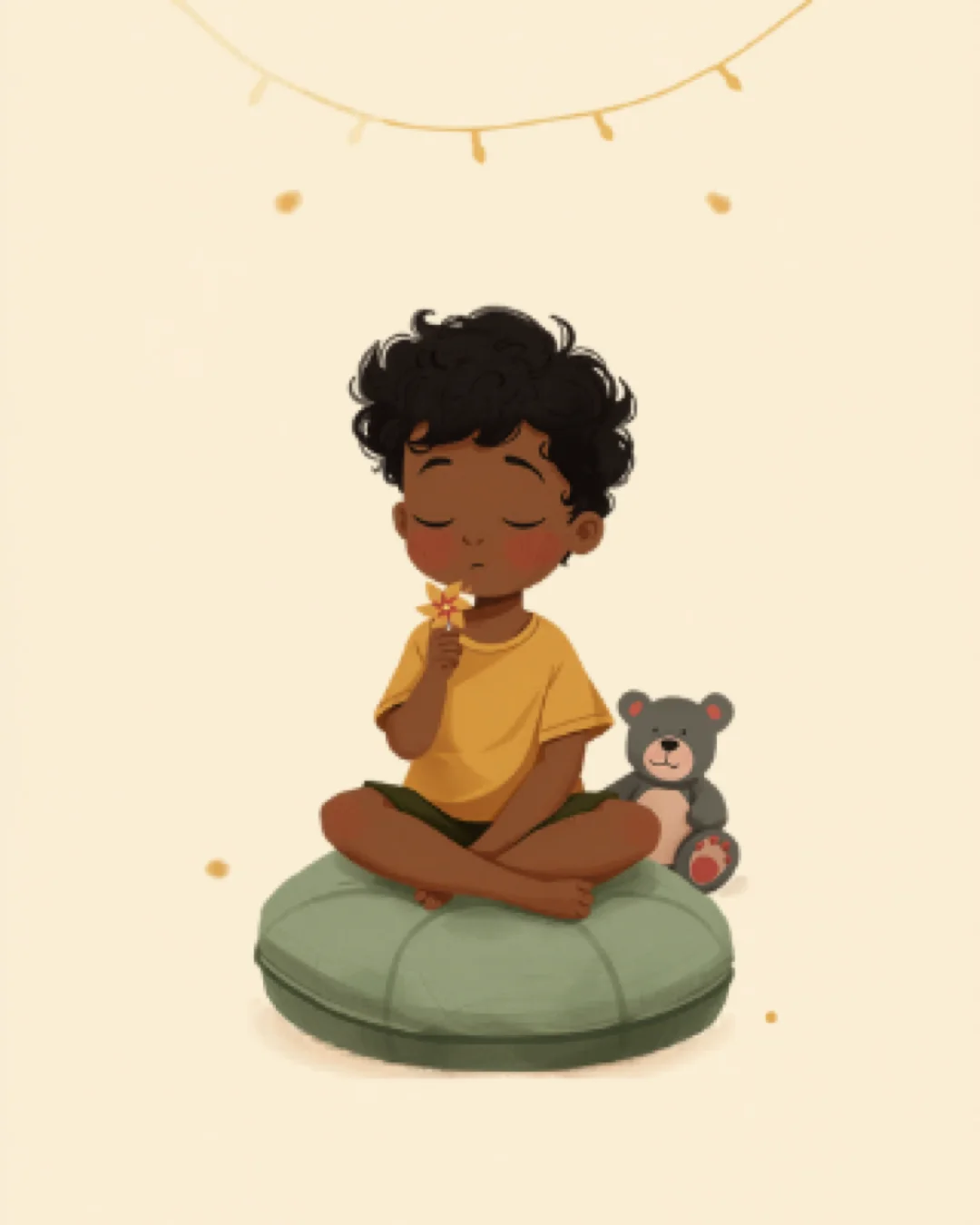
Relaxed child lying on a floor cushion with blanket and pinwheel in a cosy calm corner

What success looks like

A few quiet minutes together without pressure. If your child relaxes even slightly, that’s self-regulation building.

Gentle parenting holds firm limits — it just pairs every 'no' with a 'yes, you can do this instead'. This builds that habit: when an impulse needs stopping, you name the limit clearly and immediately offer an acceptable outlet for the feeling behind it. 'I won't let you hit. You CAN stamp your feet or squeeze this cushion.' The limit stays solid, but your toddler's big energy gets somewhere safe to go, which works far better than a bare 'stop' that leaves the feeling with nowhere to land.

Why it helps

Zero to Three models the limit-with-alternative move directly: 'hitting me is not okay. You can hit this pillow; or we can read this book together instead.' A toddler's impulse to hit, throw, or grab is rarely about defiance — it is a big feeling with no exit. A bare 'no' leaves that feeling trapped, but naming the limit and handing over a safe outlet in the same breath keeps your boundary firm while giving the energy somewhere to go. The feeling gets respected; the behaviour gets redirected.

Variations

  • Make a little picture card of the 'instead' options, so your toddler can point to or choose an outlet when words are hard.
  • Keep a designated 'squeeze cushion' or 'stamp spot' ready, so the safe alternative is always within reach.
  • Rehearse with puppets having big feelings and choosing the safe outlet, so the pattern is familiar before it is needed.

Safety tips

  • Choose alternatives that are genuinely safe and supervise them — soft items only, well clear of faces and fragile things.
  • Stay calm and brief with the limit; a shouted 'no' tends to raise the temperature rather than lower it.
  • Hold the boundary consistently — the alternative is an outlet for the feeling, not a reward for the behaviour.

Get weekly activity ideas for your toddler

One email a week with practical toddler activities, behaviour tips, and developmental insights. No spam, unsubscribe any time.