Parent tip
Set out plastic containers and plastic cups before inviting your toddler in so the first minute feels smooth.
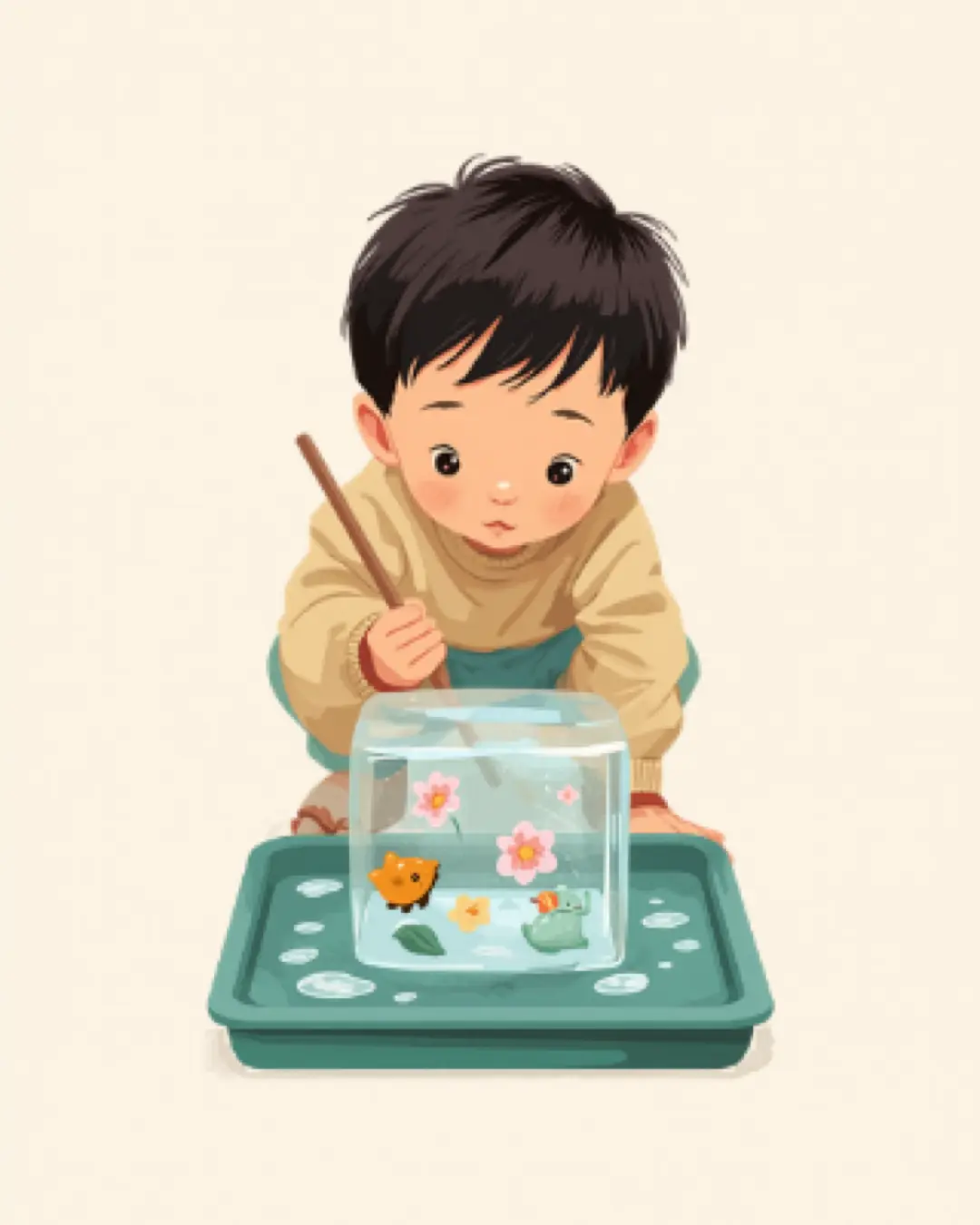
Pour water into containers and practise 'flushing' — a pressure-free way to explore the potty routine through water play.
Tiny Steps
Set out plastic containers and plastic cups before inviting your toddler in so the first minute feels smooth.

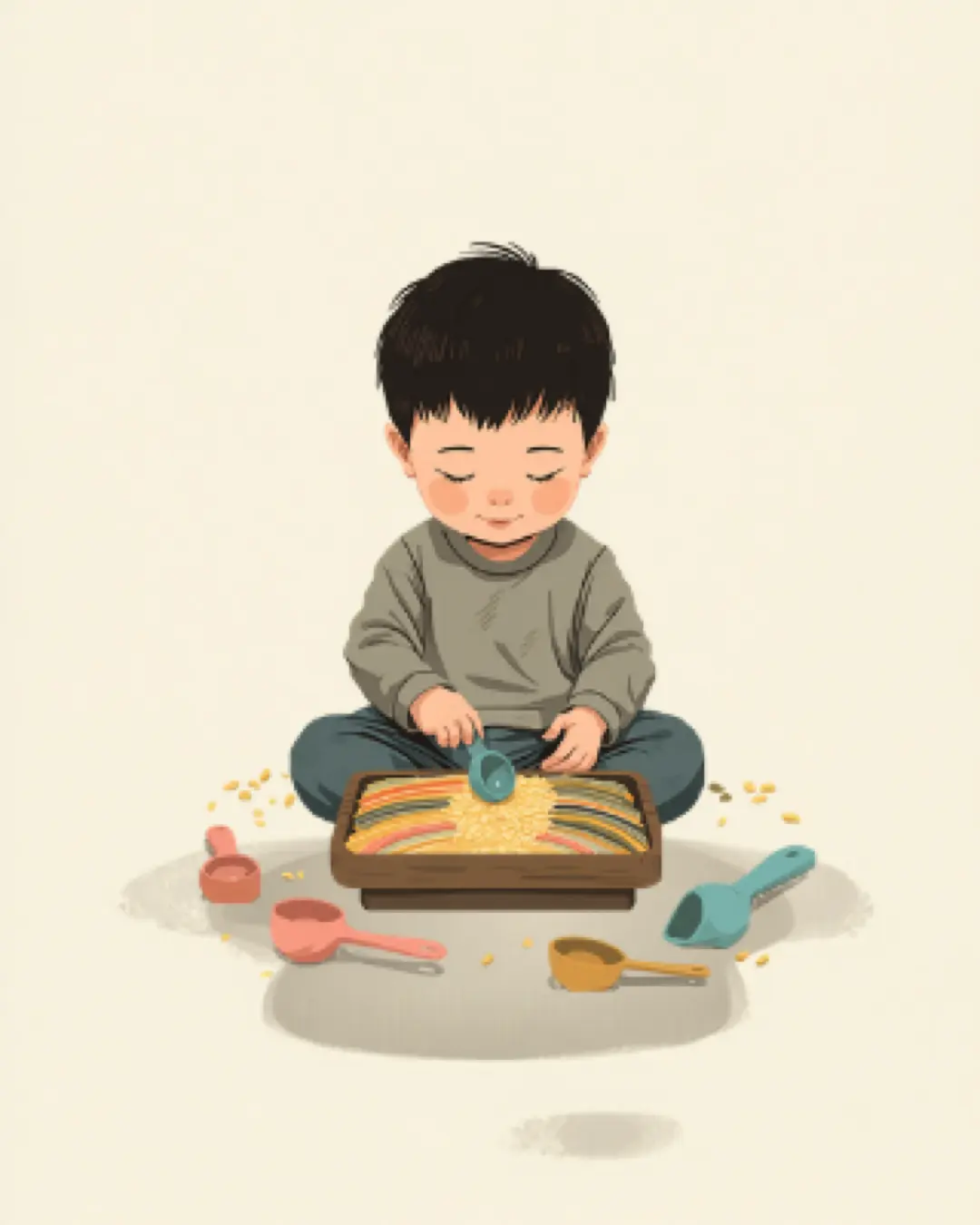
Watch for focused exploration — fingers digging in, pouring back and forth, or sorting by feel. Even a few minutes of this builds concentration.
This water play activity mirrors the potty routine without any pressure. Toddlers pour water from small cups into a 'potty' container, practise 'flushing' by tipping it into a bowl, and wipe up with a cloth. The pouring and releasing motion builds body awareness around the concept of letting go — the very thing many potty-resistant toddlers struggle with. It's messy, sensory, and completely stress-free.
The NHS recommends a relaxed, child-led approach to potty training, noting that most children show signs of readiness between 18 months and 3 years. Many potty-resistant toddlers struggle with the unfamiliar feeling of 'letting go' on purpose — releasing something from their body feels strange and uncontrollable. This activity practises the concept of deliberate release externally: filling a cup, choosing to pour it out, watching it go. The repeated cycle of hold-then-release builds comfort with the idea that letting go is safe, chosen, and followed by a positive response. Water play also engages the parasympathetic nervous system, which can reduce the generalised anxiety that often surrounds the potty routine.
One email a week with practical toddler activities, behaviour tips, and developmental insights. No spam, unsubscribe any time.