TinyStepper

Sing and Stop

At a glance: Sing a familiar song and stop before a key word — wait for your toddler to fill in the gap. A 5-minute, low-energy both activity for ages 18m3y. No prep needed.

Built by a parent of toddlersBest for 18m-3y

Field-tested ideas shaped by direct parenting experience and advice from reputable sources, including NHS Best Start in Life and NSPCC child development research.

18m3y5 minslow energybothnone messNo prep

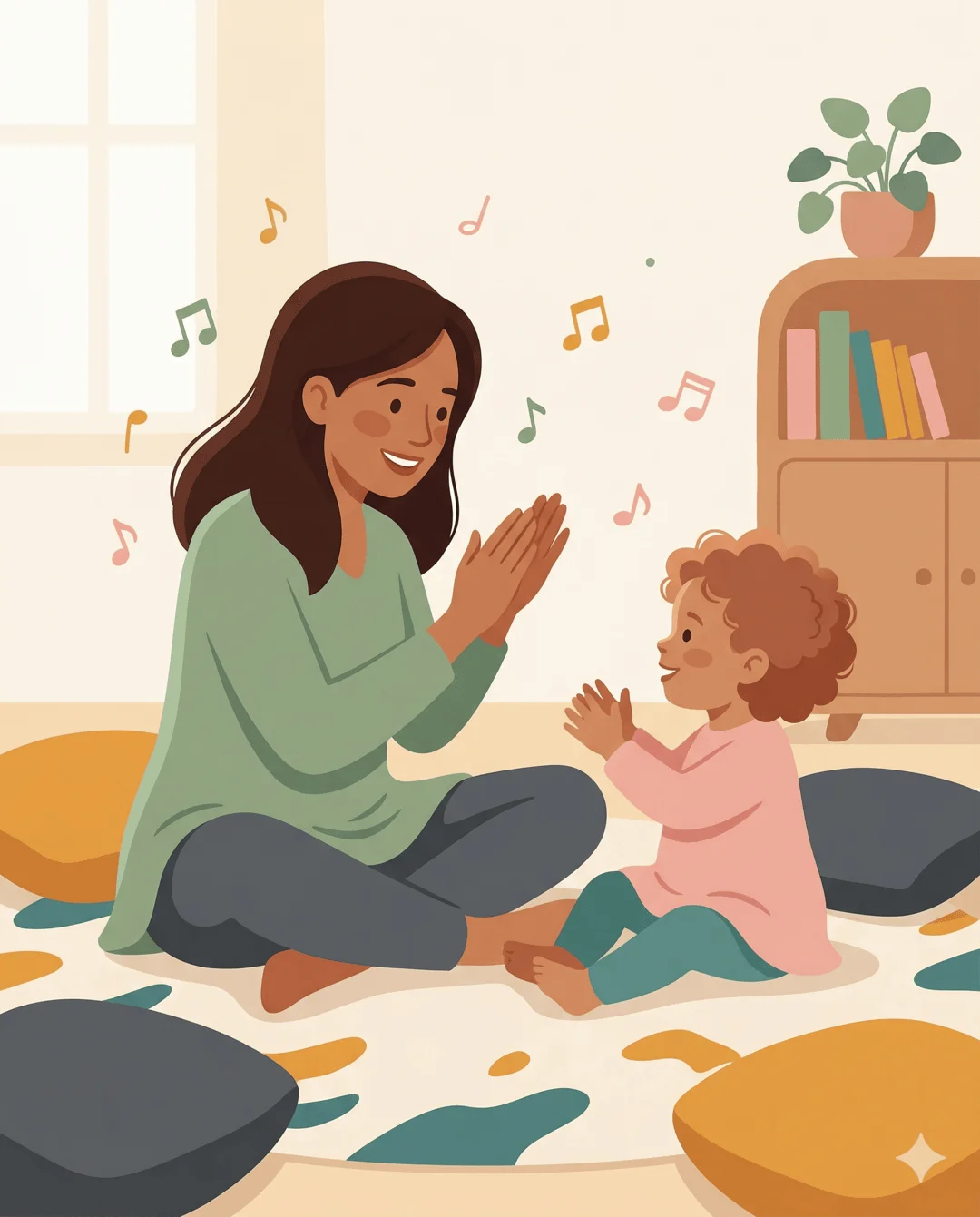
Pick a song your toddler knows well. Sing it normally for the first verse. Then on the second verse, stop before a key word: 'Twinkle twinkle little...' WAIT. 'Baa baa black sheep, have you any...' WAIT. When they fill in the word — however approximately — celebrate wildly. This is the song version of Finish My Sentence, and it works brilliantly because melodies make words stickier.

Best for this moment

for calmer, lower-pressure moments, especially when you need something flexible indoors or outdoors.

Parent tip

Start before you overthink it. No-prep activities work best when you begin while the moment is still recoverable.
What success looks like

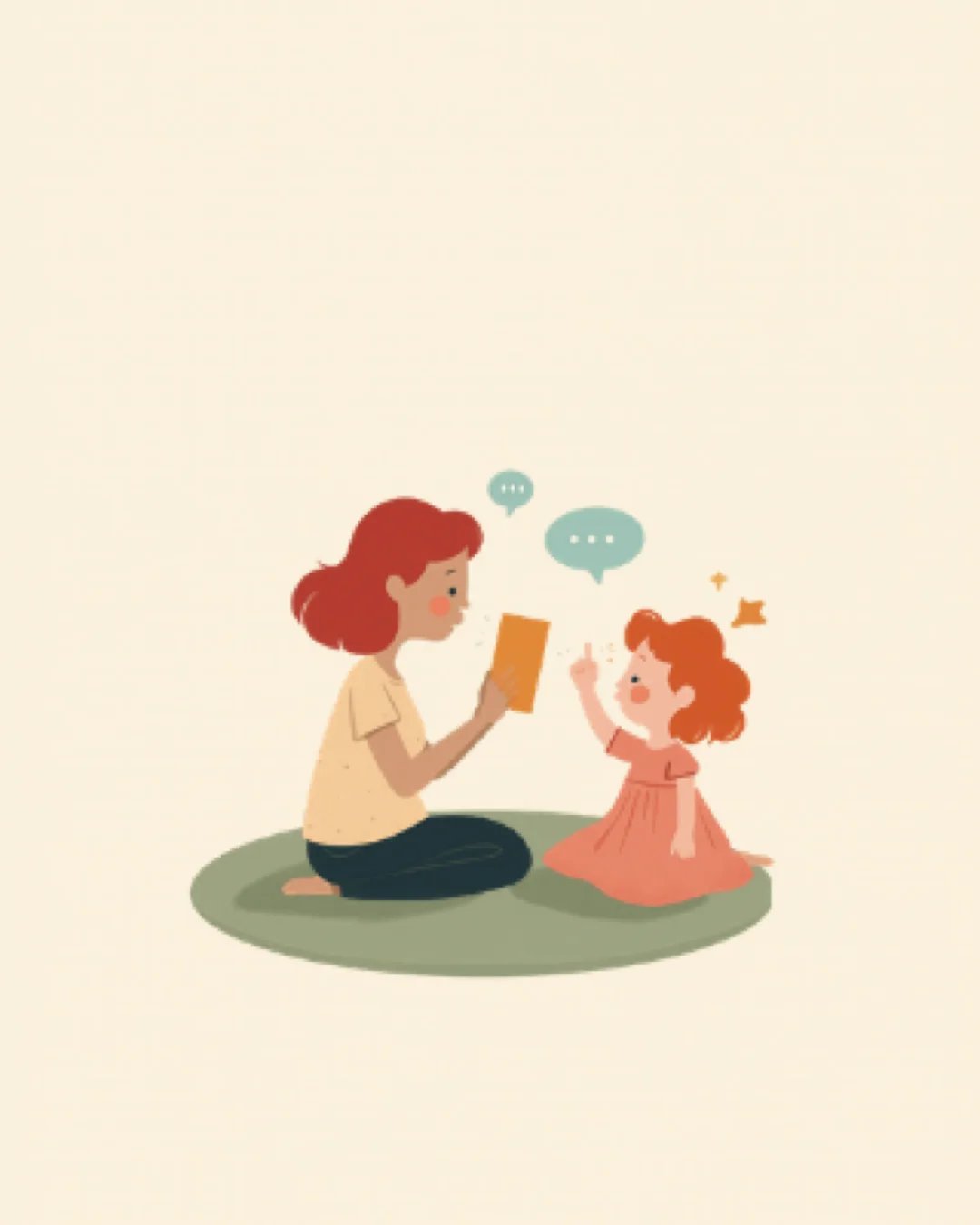
A good outcome is a few minutes of engaged play, some back-and-forth with you, and a small sign of progress in focus and attention.

More help for this situation

Instructions

Get ready
  • Pick a song you sing regularly (Twinkle Twinkle, Baa Baa Black Sheep)
  • Sing it through once normally so the melody is in their head
  1. Pick a song you sing regularly (Twinkle Twinkle, Baa Baa Black Sheep)
  2. Sing it through once normally so the melody is in their head
  3. Sing it again, but STOP before the last word of a line
  4. 'Twinkle twinkle little...' — pause, smile, lean forward
  5. Wait 5 seconds — look expectant
  6. If they say 'star' (or anything close) — 'YES! STAR! Twinkle twinkle little STAR!'
  7. Continue the song and try another pause later

Why it helps

Songs create strong memory traces for words because melody, rhythm, and repetition work together. Stopping before a familiar word creates a 'cloze' task — the brain fills the gap automatically. Speech and Language UK specifically recommend songs and nursery rhymes as a core strategy for language development, noting that children can learn words and actions through them.

Variations

  • Stop at different words each time: 'Twinkle twinkle... STAR!' then 'Twinkle... TWINKLE little star!'
  • Use action songs — stop the action AND the word simultaneously.
  • Try with 'Old MacDonald' — stop before each animal sound.

Safety tips

  • Sing the song fully through several times before trying the pause technique.
  • Don't put pressure on the child to respond perfectly.
  • Choose songs with simple, predictable lyrics.

When to pause and seek extra support

Stop if your child becomes distressed, unsafe, or consistently frustrated by the activity. If play, behaviour, or development worries keep showing up across settings, check in with a qualified professional.

Get weekly activity ideas for your toddler

One email a week with practical toddler activities, behaviour tips, and developmental insights. No spam, unsubscribe any time.