TinyStepper

Puddle Painting

At a glance: Use paintbrushes dipped in puddle water to paint on dry pavement after rain. A 12-minute, medium-energy outdoor activity for ages 18m4y. No prep needed.

Built by a parent of toddlersBest for 18m-4y

Field-tested ideas shaped by direct parenting experience and advice from reputable sources, including NHS Best Start in Life and NSPCC child development research.

18m4y12 minsmedium energyoutdoorsome messNo prep

After rain, grab a paintbrush and let your toddler dip it in a puddle and 'paint' on dry pavement or a wall. The water marks appear like magic and then slowly evaporate, creating an endlessly repeatable canvas. This activity embraces rainy weather rather than hiding from it, teaches that outdoor play happens in all conditions, and provides a calming sensory experience that combines nature, art, and water play.

Best for this moment

when your toddler needs focused engagement, especially when you need an outdoor option.

Parent tip

Start before you overthink it. No-prep activities work best when you begin while the moment is still recoverable.
What success looks like

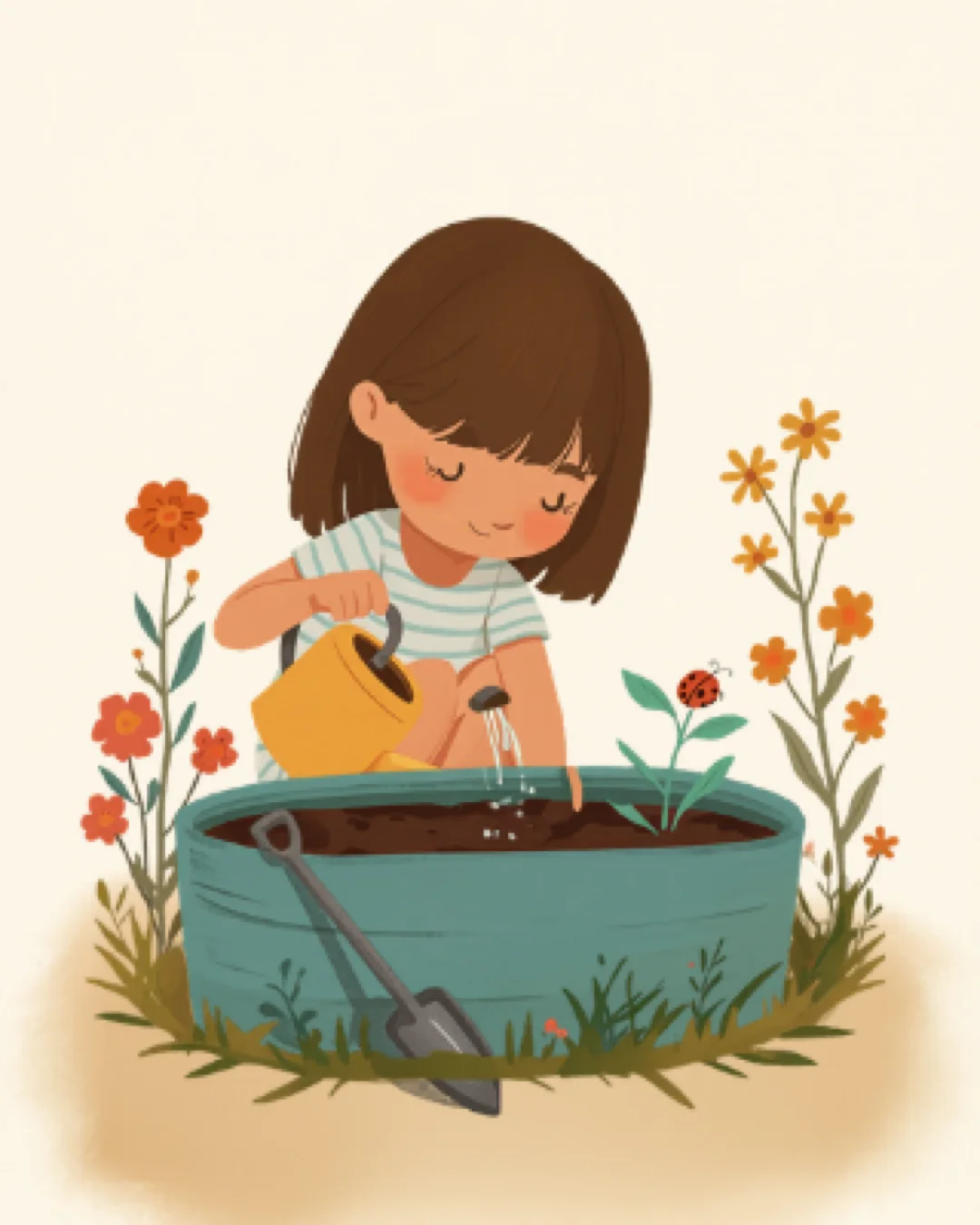
A good outcome is a few minutes of engaged play, some back-and-forth with you, and a small sign of progress in creativity.

More help for this situation

Instructions

Get ready
  • After rain, find a puddle and a dry patch of pavement nearby
  • Bring a large paintbrush or two from inside
  1. After rain, find a puddle and a dry patch of pavement nearby
  2. Bring a large paintbrush or two from inside
  3. Dip the brush in the puddle and paint on the dry pavement
  4. Watch the marks appear: 'Look! You painted a line!'
  5. Try letters, shapes, or just free painting
  6. Notice when the water evaporates: 'It's disappearing! Paint it again!'
  7. Try painting on different surfaces: bricks, fences, walls
  8. Bring a small bucket if the puddle is too far from the painting surface

Why it helps

Outdoor play in imperfect weather normalises being outside year-round, which NHS guidance strongly recommends. The large brush strokes develop gross motor control in the arm and shoulder, while the evaporating water teaches cause-and-effect and patience. The sensory experience of cold air, wet brushes, and the visual transformation of dry to wet pavement engages multiple senses simultaneously.

Variations

  • Add a few drops of food colouring to a bucket of water for coloured painting.
  • Use different brush sizes — a big decorator's brush and a small craft brush.
  • Paint on trees, rocks, or garden furniture for different textures.

Safety tips

  • Dress appropriately: waterproof jacket, rain boots, warm layers.
  • Check the puddle for debris, broken glass, or deep areas before use.
  • Supervise near roads — puddle water is not for drinking.

When to pause and seek extra support

Stop if your child becomes distressed, unsafe, or consistently frustrated by the activity. If play, behaviour, or development worries keep showing up across settings, check in with a qualified professional.

Get weekly activity ideas for your toddler

One email a week with practical toddler activities, behaviour tips, and developmental insights. No spam, unsubscribe any time.