TinyStepper
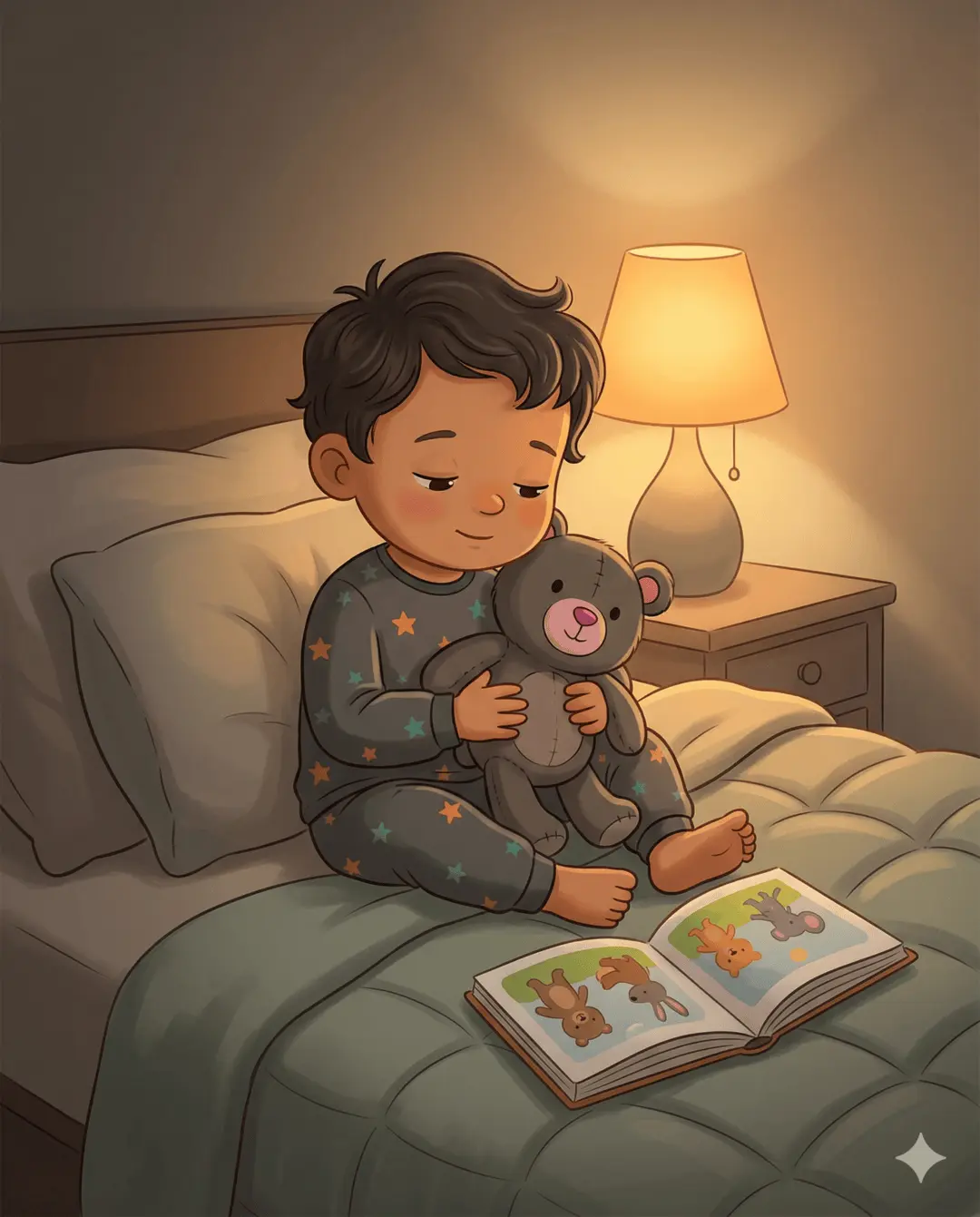
Boy in star pyjamas hugging a teddy bear on a bed with a warm lamp and picture book

Press Pause Together

Give the whole family a shared 'pause button' — a spot on your palm or a silly word — that means everyone stops for three big breaths before things boil over, with you modelling it too.

Activity details

2y4y8 minslowindoorNo prep

Instructions

Tiny Steps

Get ready
  • At a calm, happy time, introduce the idea: 'Let's make a pause button for our family.'
  • Choose the signal together — pressing a spot on your palm, or a funny word like 'freeze-cheese'.
  1. At a calm, happy time, introduce the idea: 'Let's make a pause button for our family.'
  2. Choose the signal together — pressing a spot on your palm, or a funny word like 'freeze-cheese'.
  3. Show what happens after the press: everyone stops and takes three big, slow breaths.
  4. Practise it as a game several times while everyone is relaxed and giggly.
  5. Explain that anyone can use it — you, them, anyone who needs a moment.
  6. The next time YOU feel frustrated, press your own pause button out loud: 'I need a pause.'
  7. Gently offer it to your toddler when they are winding up, before the storm fully hits.

Parent tip

Start before you overthink it. No-prep activities work best when you begin while the moment is still recoverable.
Relaxed child lying on a floor cushion with blanket and pinwheel in a cosy calm corner

What success looks like

A few quiet minutes together without pressure. If your child relaxes even slightly, that’s self-regulation building.

Tempers rise fast in toddler-land, and grown-ups lose it too. This gives the whole family a shared 'pause button': a spot on your palm you press, or a silly word you say, that means everyone stops and takes three big breaths before carrying on. Practised when calm, it becomes a tool your toddler can actually use — and seeing you press your own pause button when you are frustrated teaches more about managing feelings than any lecture could.

Why it helps

The NHS is blunt about the parent's part: 'Losing your temper or shouting back will not end the tantrum', and it advises you to 'concentrate on staying calm'. A pause button gives that advice a concrete handle for the heat of the moment, for you as much as your toddler. Practising it calmly first means the skill is already there when it is needed, and watching you use your own pause teaches your child that everyone has big feelings — what matters is the breath you take before you act.

Variations

  • Draw a colourful pause button on card and stick it somewhere central, so there is a visual reminder everyone can point to.
  • Pair the three breaths with an action, like pressing your palms together and slowly pulling them apart.
  • Give each family member their own pause word, so using it feels personal and fun.

Safety tips

  • Keep the pause playful and pressure-free; it is a tool to offer, never a punishment or a way to shut feelings down.
  • Model it genuinely yourself, as children copy what you do far more than what you tell them.
  • If a full meltdown has already hit, skip the pause and go straight to comfort; save the button for the build-up.

Get weekly activity ideas for your toddler

One email a week with practical toddler activities, behaviour tips, and developmental insights. No spam, unsubscribe any time.