TinyStepper
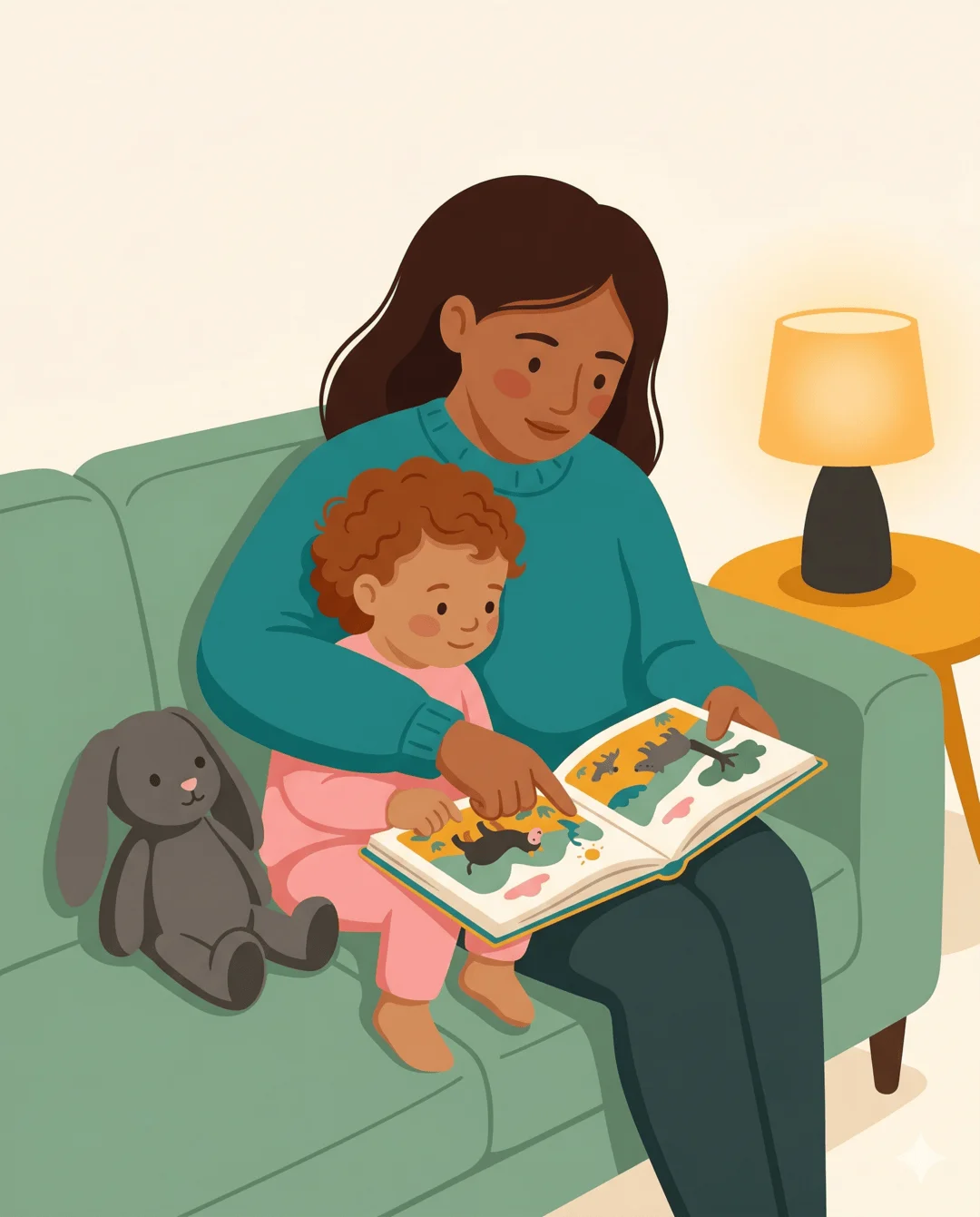
Boy sitting cross-legged on a teal cushion blowing a pinwheel with fairy lights above

Oops and Repair

Gentle parenting is not about never snapping — it's about what comes next. Make coming back the routine: after a sharp moment, own it simply and reconnect, teaching your toddler that relationships bend without breaking.

Activity details

2y4y5 minslowindoorNo prep

Instructions

Tiny Steps

Get ready
  • After a moment where things got sharp, give yourself a breath first to settle.
  • Come back to your toddler at their level, with a soft face and open arms.
  1. After a moment where things got sharp, give yourself a breath first to settle.
  2. Come back to your toddler at their level, with a soft face and open arms.
  3. Name it simply and honestly: 'I'm sorry. I used my big, cross voice and that wasn't kind.'
  4. Keep it short — no long explanations and no making your child comfort you.
  5. Offer the reconnect: 'Shall we start again? I'd love a cuddle.'
  6. If your child was the one who lashed out, model the same repair gently: 'That's okay, let's fix it together.'
  7. Move on warmly once you have reconnected, as repair works best without dwelling.

Parent tip

Start before you overthink it. No-prep activities work best when you begin while the moment is still recoverable.
Relaxed child lying on a floor cushion with blanket and pinwheel in a cosy calm corner

What success looks like

A few quiet minutes together without pressure. If your child relaxes even slightly, that’s self-regulation building.

Every parent loses patience sometimes — gentle parenting is not about never snapping, it is about what happens next. 'Oops and repair' makes coming back the routine: after a sharp moment, you return, name it simply, and reconnect. 'I'm sorry I used my big voice. That was my mistake. Let's start again with a cuddle.' Done warmly and without drama, repair teaches your toddler that relationships bend without breaking, and that they too can mess up and make it right.

Why it helps

Zero to Three models this kind of warm limit-and-reconnect, suggesting wording like 'I know you are mad... but hitting me is not okay. You can hit this pillow; or we can read this book together instead.' Repair after a rupture teaches a toddler the most reassuring lesson of all: that a relationship survives big feelings and mistakes on both sides. Owning your own snappy moment, simply and without drama, also shows them how to take responsibility and make things right — a skill no lecture can teach.

Variations

  • Practise repair through play: have two soft toys have a squabble, then show them say sorry and make up.
  • Keep a simple repair phrase you always use, so it becomes a familiar, reassuring routine after any wobble.
  • Read a picture book about making mistakes and saying sorry, linking the story to your own real repairs.

Safety tips

  • Keep your apology short and child-sized; never burden your toddler with adult guilt or ask them to manage your feelings.
  • Repair the relationship, but you can still hold the original limit — sorry for the shouting, not for the boundary.
  • If you are still too heated, take more time first; a calm repair later beats a forced one now.

Get weekly activity ideas for your toddler

One email a week with practical toddler activities, behaviour tips, and developmental insights. No spam, unsubscribe any time.