Parent tip
Start before you overthink it. No-prep activities work best when you begin while the moment is still recoverable.

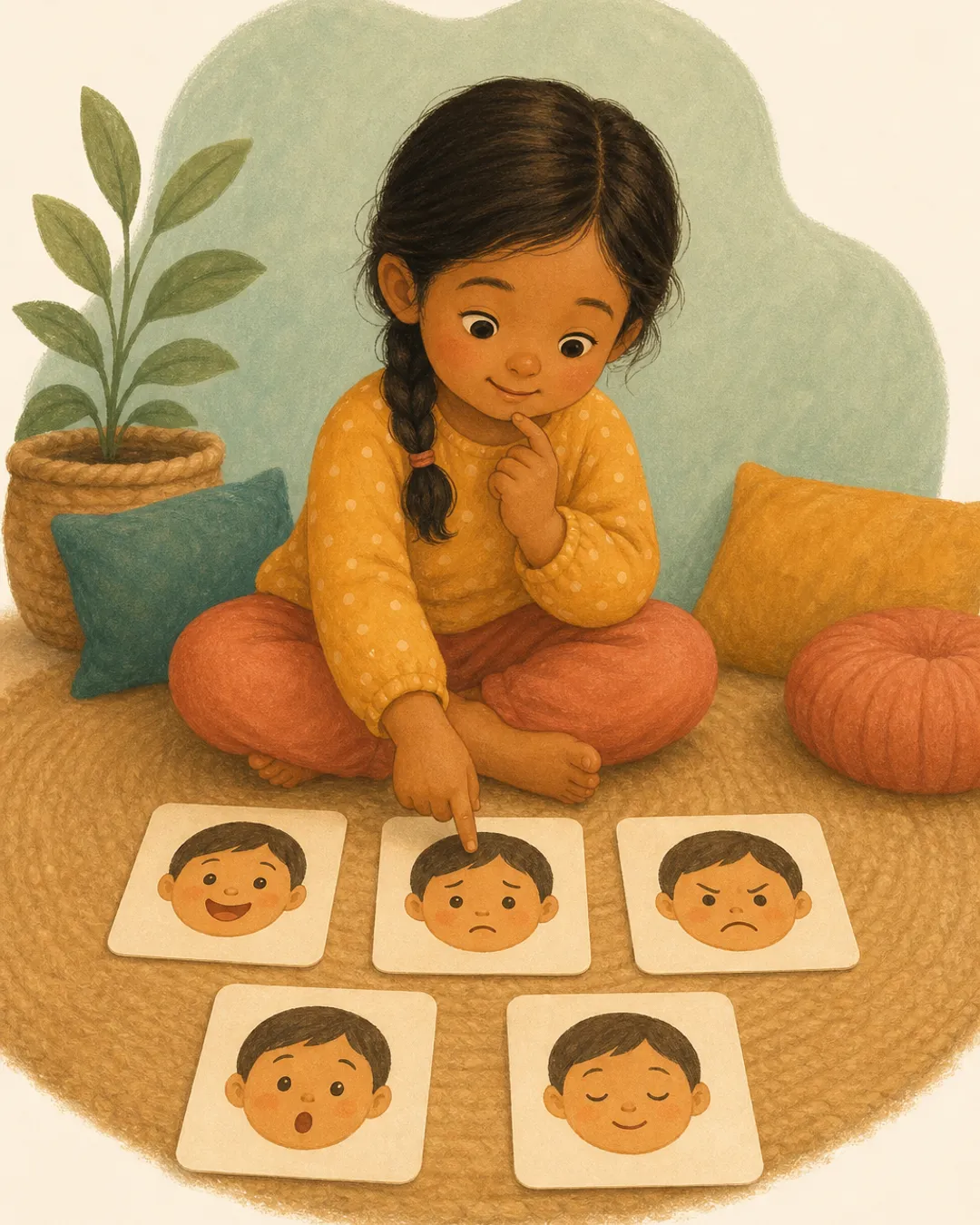
A brief face-to-face game where you both focus your whole faces on listening — not on words. Trains the body language that makes a child feel heard and reduces speech pressure.
Tiny Steps
Start before you overthink it. No-prep activities work best when you begin while the moment is still recoverable.

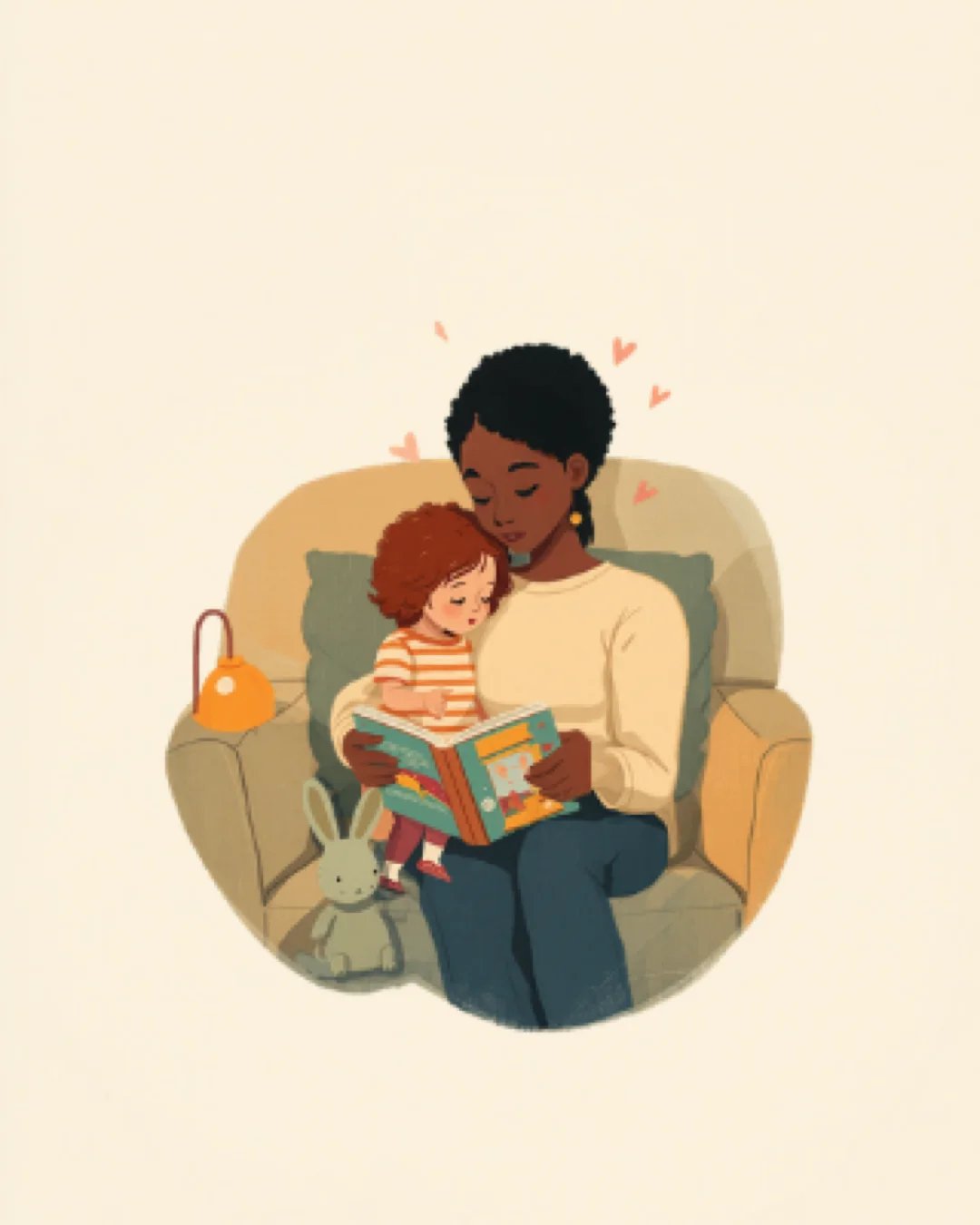
A few quiet minutes together without pressure. If your child relaxes even slightly, that’s self-regulation building.
Sit facing your child and practise what 'listening with your face' looks like. You take turns. One person says a sentence — anything, even nonsense — and the other person makes their best attentive face: warm eyes, slight nod, soft expression. The point is the face. The Stuttering Foundation's research is clear that the listener's face has more effect on fluency than the listener's words, because what the child reads on your face tells them whether their speech is welcome.
The Stuttering Foundation's parent advice highlights the role of the listener's face in fluency: 'Use your facial expressions and other body language to convey to your child that you are listening to the content of her message and not to how she's talking.' What the child reads on the parent's face tells them whether their speech is being judged or welcomed. The NHS frames the same point in terms of the relaxed environment — a calm listening face is one of the strongest signals of that environment.
One email a week with practical toddler activities, behaviour tips, and developmental insights. No spam, unsubscribe any time.