Parent tip
Start before you overthink it. No-prep activities work best when you begin while the moment is still recoverable.
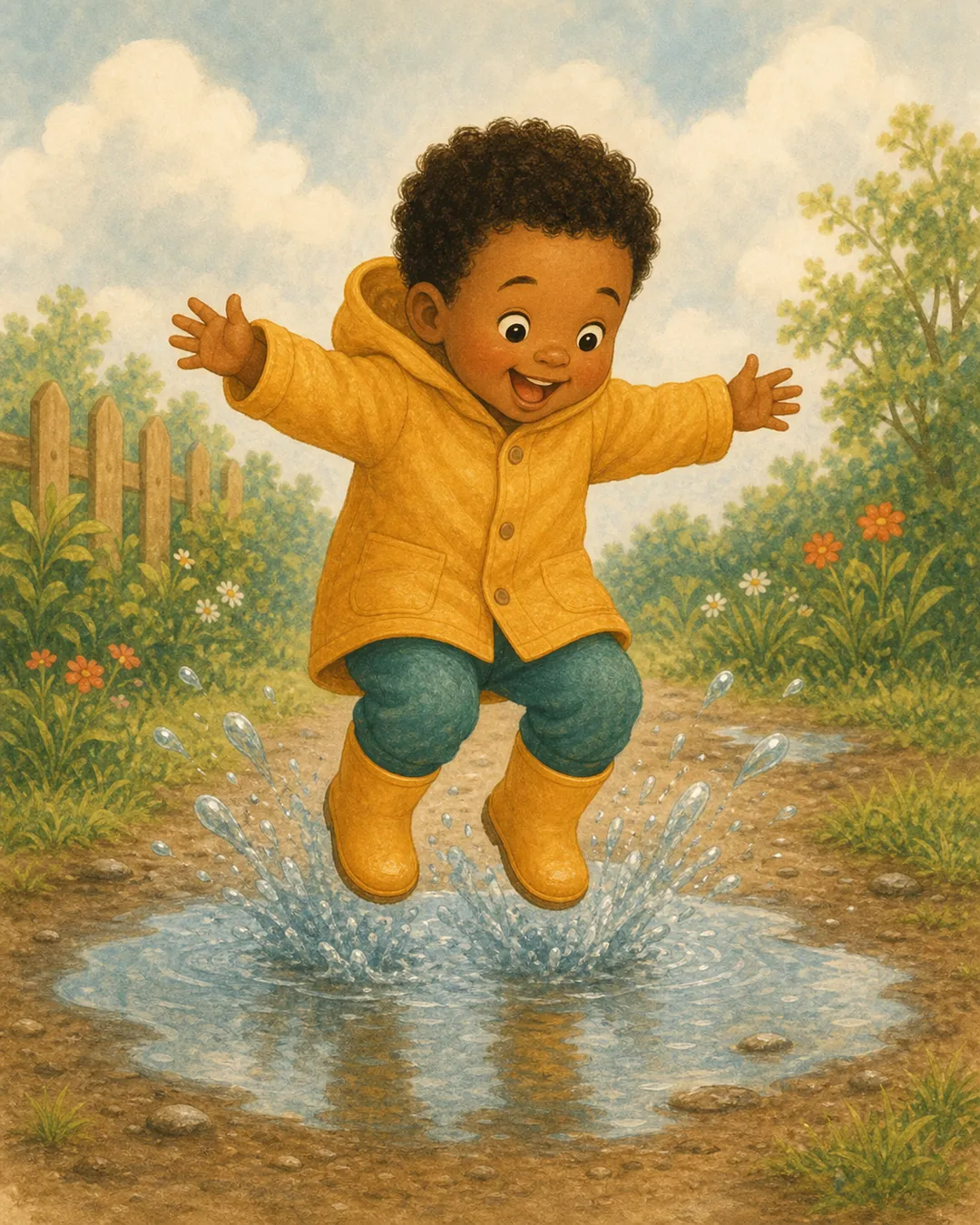
Roll, tumble, and run down gentle grassy slopes for full-body fun.
Tiny Steps
Start before you overthink it. No-prep activities work best when you begin while the moment is still recoverable.

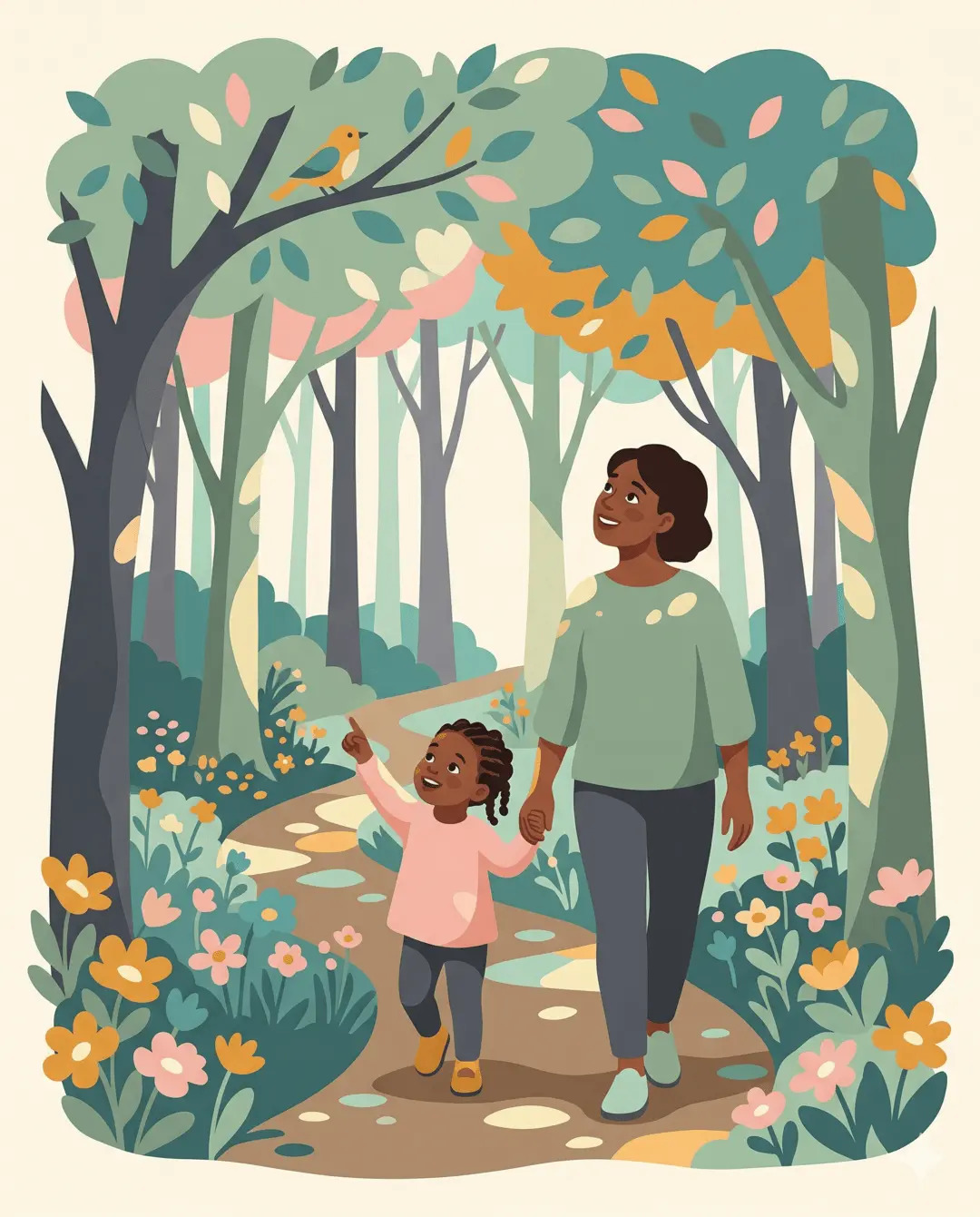
Curiosity in action — pointing, collecting, asking ‘what’s that?’ A child engaged with nature is learning without knowing it.
Find a gentle grassy slope at the park or garden and let your toddler experience the thrill of rolling down, running up, and tumbling sideways. The vestibular input from rolling is deeply regulating for many toddlers, and the uphill climb builds leg strength and cardiovascular fitness without any equipment at all.
NHS physical activity guidelines for under-5s recommend at least 180 minutes of activity a day, emphasising that all types of movement — including rolling — contribute to healthy development. Rolling provides intense vestibular stimulation that helps calibrate the inner ear's sense of movement and balance. Children who seek out spinning, swinging, or rough-and-tumble play often find hill rolling deeply satisfying and regulating — it meets a genuine sensory need while building core strength and spatial orientation.
One email a week with practical toddler activities, behaviour tips, and developmental insights. No spam, unsubscribe any time.