TinyStepper

Freeze and Listen Statues

At a glance: Play a listening game where toddlers freeze like statues when they hear a specific sound, building the habit of stopping and tuning in. A 10-minute, medium-energy indoor activity for ages 19m4y. No prep needed.

Built by a parent of toddlersBest for 19m-4y

Field-tested ideas shaped by direct parenting experience and advice from reputable sources, including NHS Best Start in Life and NSPCC child development research.

19m4y10 minsmedium energyindoornone messNo prep

When toddlers seem to ignore instructions, it's rarely defiance — their brains are simply not yet wired to filter out what they're doing and attend to a new voice. This structured listening game makes 'stopping to listen' the entire point of the play, so your child practises the skill repeatedly in a fun, low-pressure context. The freeze element exercises inhibitory control, while the auditory cue trains selective attention — both foundational for following instructions in everyday life.

Best for this moment

when your toddler needs focused engagement, especially when you need an indoor option.

Parent tip

Start before you overthink it. No-prep activities work best when you begin while the moment is still recoverable.
What success looks like

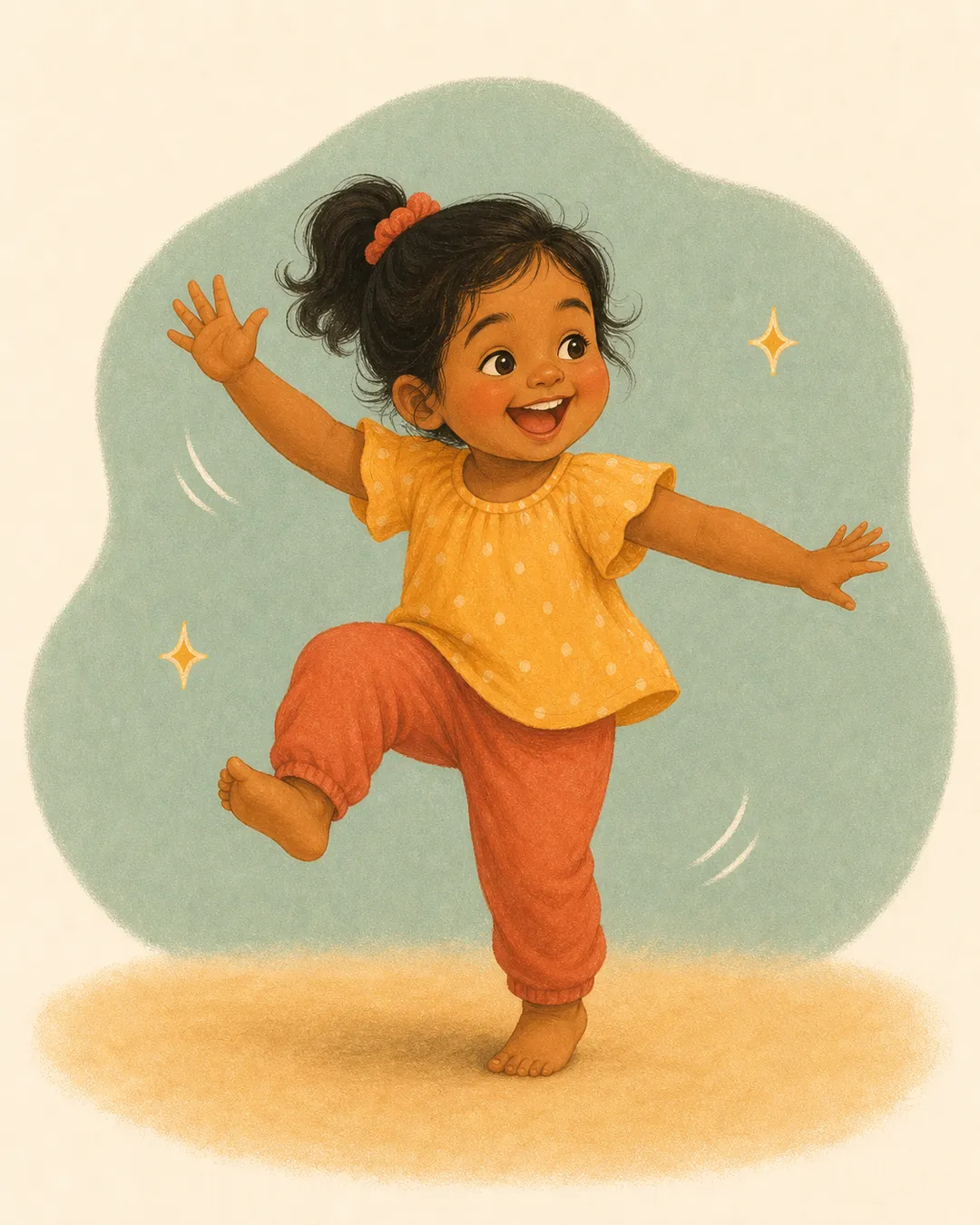
A good outcome is a few minutes of engaged play, some back-and-forth with you, and a small sign of progress in body awareness.

More help for this situation

Instructions

Get ready
  • Clear a space in the room and tell your child you're going to play a special listening game.
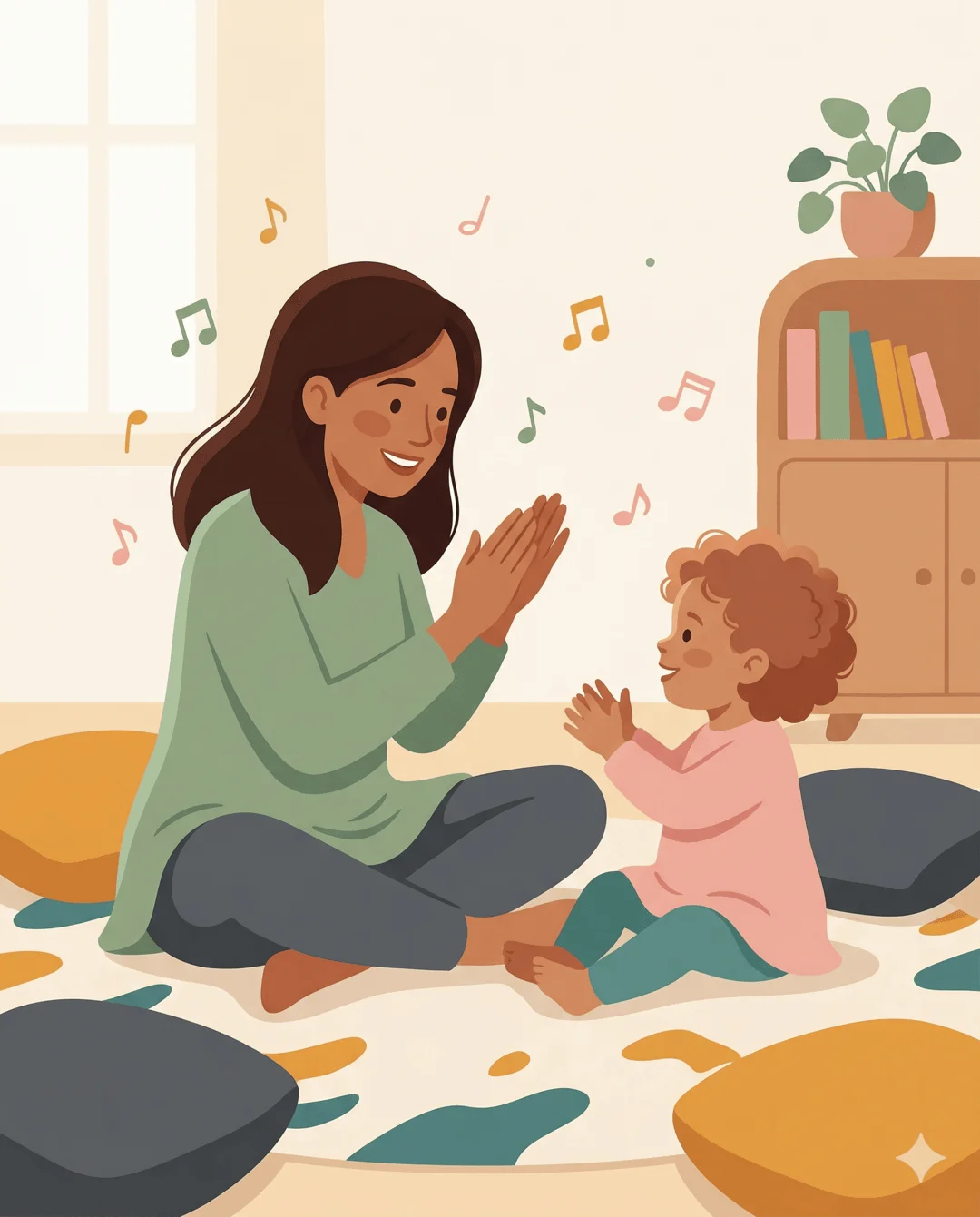
  • Explain the rule: 'When you hear the clap, freeze like a statue! When the music starts again, you can dance.'
  1. Clear a space in the room and tell your child you're going to play a special listening game.
  2. Explain the rule: 'When you hear the clap, freeze like a statue! When the music starts again, you can dance.'
  3. Play some music on your phone and dance together — be silly and exaggerate your movements.
  4. After 15-20 seconds, clap loudly and freeze yourself — hold your pose and whisper 'Statue!'
  5. Wait three seconds in frozen silence, then praise your child for stopping: 'You listened and froze — brilliant!'
  6. Restart the music and repeat. Gradually shorten the dancing intervals so the freezes come faster.
  7. After five or six rounds, swap roles — your child claps and you freeze. This builds their sense of agency.
  8. Wind down by playing the music very softly and doing slow, gentle movements, then a final freeze into a cuddle.

Why it helps

The ability to stop a current action and redirect attention to a new stimulus is called 'inhibitory control' — one of the core executive functions that develops between 18 and 48 months. This game directly exercises that neural pathway by making the freeze response pleasurable rather than frustrating. Research shows that musical stop-start games are among the most effective playful interventions for strengthening attentional control in toddlers.

Variations

  • Use a musical instrument instead of clapping — a tambourine shake or a pot lid bang — to strengthen auditory discrimination.
  • Add a 'listen for the whisper' round where you whisper an instruction during the freeze ('touch your nose'), rewarding careful listening.
  • Play outdoors and freeze when you hear a real sound — a bird, a car, a dog bark — turning everyday noise into a listening exercise.

Safety tips

  • Ensure the play area is free of sharp furniture edges, as excited dancing can lead to bumps during sudden freezes.
  • Keep the volume at a comfortable level — toddler ears are more sensitive than adult ears.
  • If your child finds the sudden silence distressing, fade the music out gradually rather than stopping abruptly.

When to pause and seek extra support

Stop if your child becomes distressed, unsafe, or consistently frustrated by the activity. If play, behaviour, or development worries keep showing up across settings, check in with a qualified professional.

Get weekly activity ideas for your toddler

One email a week with practical toddler activities, behaviour tips, and developmental insights. No spam, unsubscribe any time.