Parent tip
Set out plastic cups and water before inviting your toddler in so the first minute feels smooth.
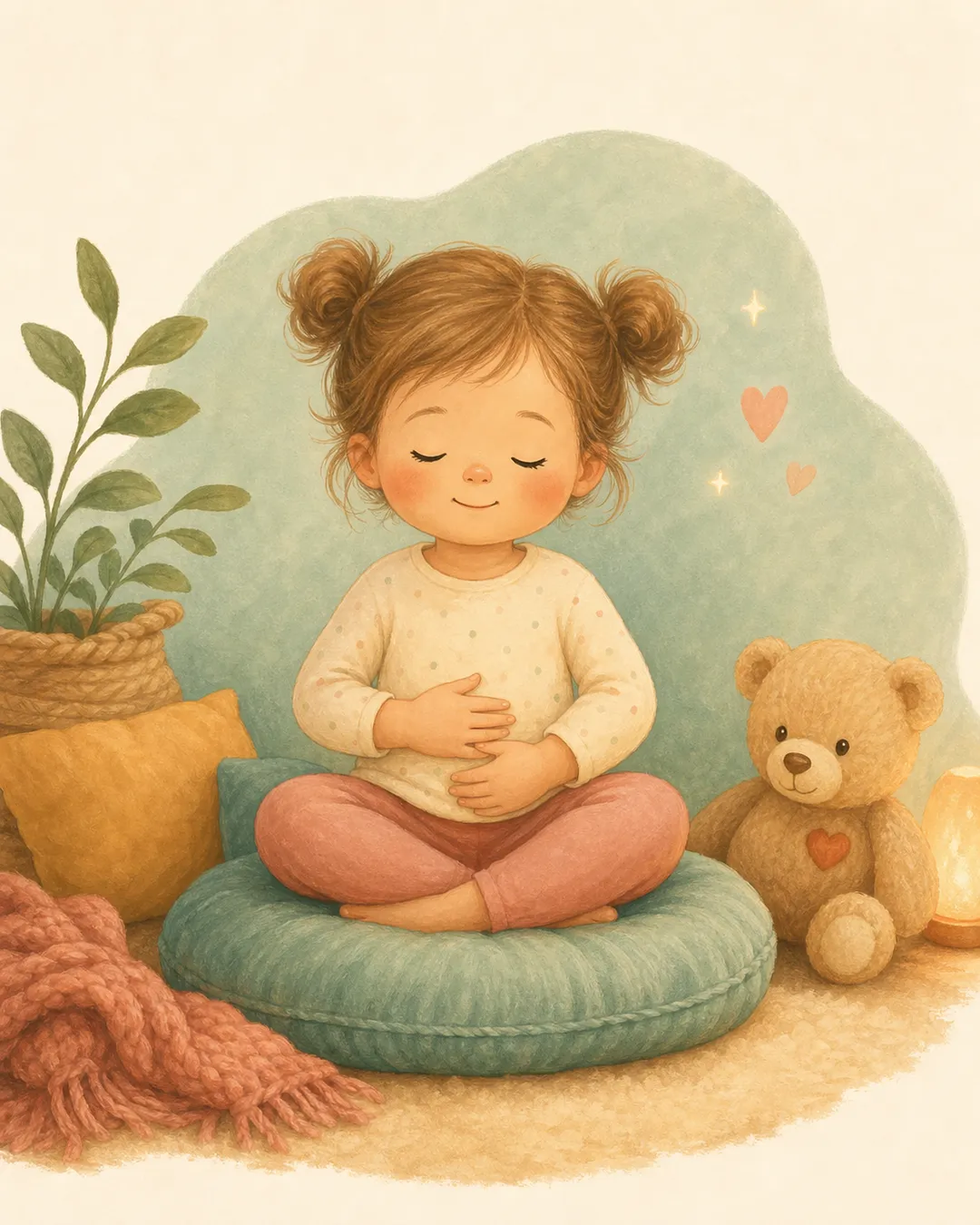
Drink a cup of water together, then sit on a soft mat and 'wait for the wiggle' — the body signal that means a wee is coming. Builds the awareness toddlers need to spot their own potty cues.
Tiny Steps
Set out plastic cups and water before inviting your toddler in so the first minute feels smooth.

A few quiet minutes together without pressure. If your child relaxes even slightly, that’s self-regulation building.
Pour two small cups of water and sit on a soft mat with your toddler. Drink your cups together, then settle in to wait for the wiggle — the small body sensation that signals a wee is on the way. When your toddler notices a wiggle (or you notice them shifting), you both rush to the potty together. The point is to give your toddler a felt experience of how the body builds up to a wee, instead of arriving on the potty already needing to go without warning.
ERIC's potty training guidance is direct on this point: try to avoid prompting or asking your child too often, and instead wait until you think they need to go and then direct them gently. The drink-and-wait game does the opposite of constant prompting — it gives the toddler a structured opportunity to notice their own body signals before the parent intervenes. NHS guidance reinforces this: noticing they have passed urine is the first step to being aware of when they will need to wee, and the drink-and-wait creates that noticing moment in a controlled context.
One email a week with practical toddler activities, behaviour tips, and developmental insights. No spam, unsubscribe any time.