TinyStepper
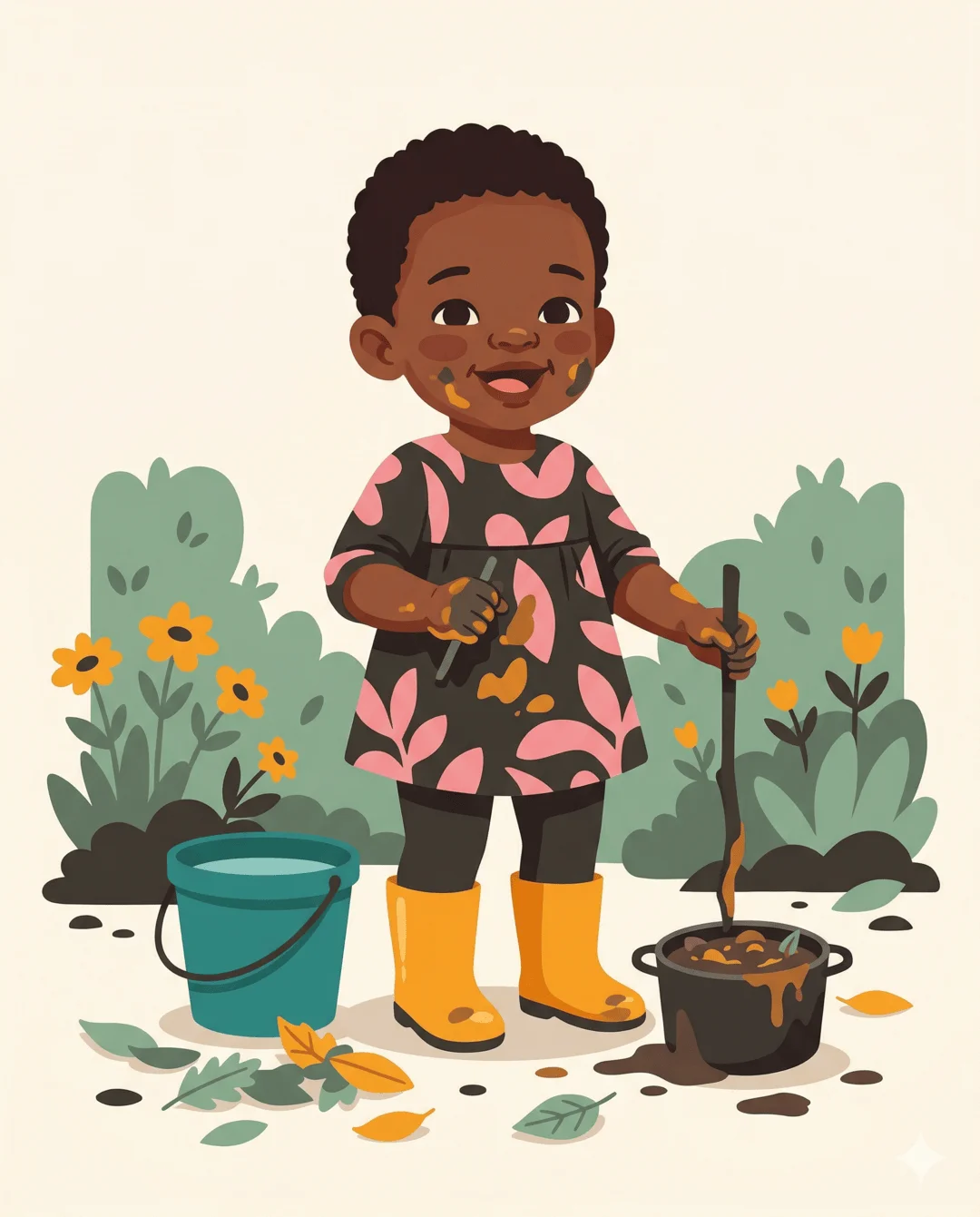
Child in welly boots stirring a mud pie in a pot in the garden

Side-by-Side Garden Dig

Dig in the garden shoulder to shoulder — close but each doing your own work.

Activity details

18m4y15 minsmediumoutdoorGarden TrowelSoil

Instructions

Get ready
  • Choose a patch of garden where digging is allowed — a flower bed, a corner of lawn, or a sandpit.
  • Give your child their own trowel and sit down right beside them, shoulder to shoulder.
  1. Choose a patch of garden where digging is allowed — a flower bed, a corner of lawn, or a sandpit.
  2. Give your child their own trowel and sit down right beside them, shoulder to shoulder.
  3. Start digging your own hole: 'I am going to dig here. You dig there.'
  4. Narrate what you find: 'Oh look — a stone! What have you found?'
  5. Keep your shoulder touching theirs for the first few minutes.
  6. Gradually shift a few inches apart as they become absorbed in their own digging.
  7. Comment on their work: 'Your hole is getting really deep!'
  8. If they move closer again, welcome it: 'You wanted to be near me — that is lovely.'

Parent tip

Set out garden trowel and soil before inviting your toddler in so the first minute feels smooth.
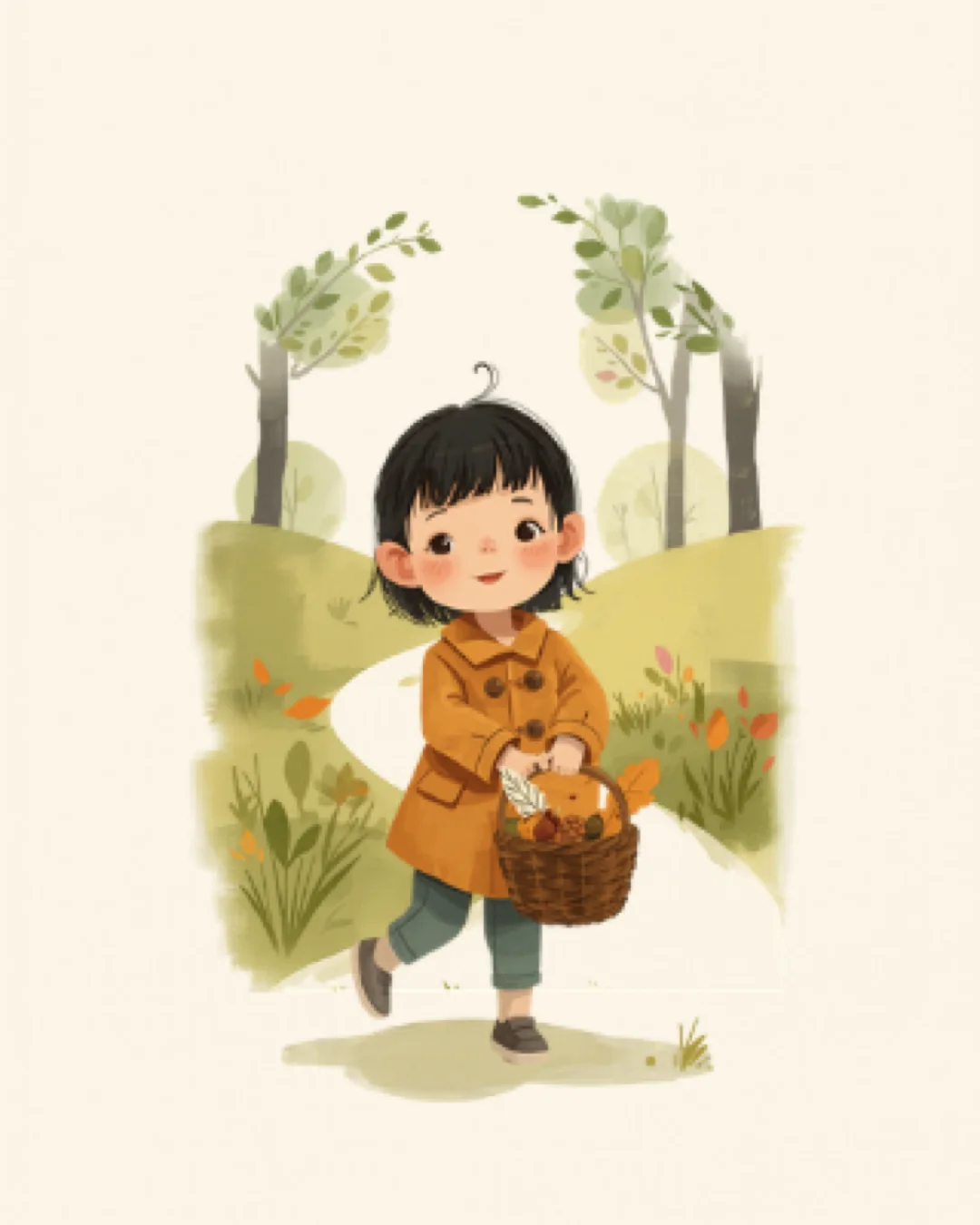
Toddler on a garden step examining a large leaf beside a basket of collected nature treasures

What success looks like

Curiosity in action — pointing, collecting, asking ‘what’s that?’ A child engaged with nature is learning without knowing it.

Sit next to your child in the garden and dig together, shoulder to shoulder. You dig your hole, they dig theirs. The physical proximity satisfies the attachment need while the parallel activity builds the bridge to independence — your child is right beside you but doing their own thing. Over time, the digging can happen with slightly more space between you. The soil, the worms, the effort — it all absorbs attention in a way that gradually loosens the grip without anyone noticing.

Why it helps

Zero to Three explains that 'when caregivers are consistently attuned and engaged, the young child grows to understand they can explore their world while still feeling safe and protected.' Sitting shoulder to shoulder while digging meets the proximity need head-on — the child feels your presence — while the parallel activity introduces a separate focus. The EYFS Understanding the World framework encourages children to 'use all their senses in hands-on exploration of natural materials,' and soil exploration delivers this richly.

Variations

  • Plant a seed in each hole — the child returns to check on their seed independently over the following days.
  • Dig for 'treasure' — bury a few small toys in the soil beforehand for them to discover.
  • Use spoons instead of trowels for younger toddlers who need a smaller grip.

Safety tips

  • Check the digging area for sharp objects, glass, or animal waste before starting.
  • Wash hands and scrub under fingernails thoroughly after playing in soil.
  • Supervise closely to ensure soil and worms stay out of mouths.

Get weekly activity ideas for your toddler

One email a week with practical toddler activities, behaviour tips, and developmental insights. No spam, unsubscribe any time.