TinyStepper

Potty Parade Celebration

At a glance: Invent a silly celebration dance and parade for every potty attempt — making the routine joyful, not stressful. A 5-minute, medium-energy indoor activity for ages 19m3y. No prep needed.

Built by a parent of toddlersBest for 19m-3y

Field-tested ideas shaped by direct parenting experience and advice from reputable sources, including NHS Best Start in Life and NSPCC child development research.

19m3y5 minsmedium energyindoornone messNo prep

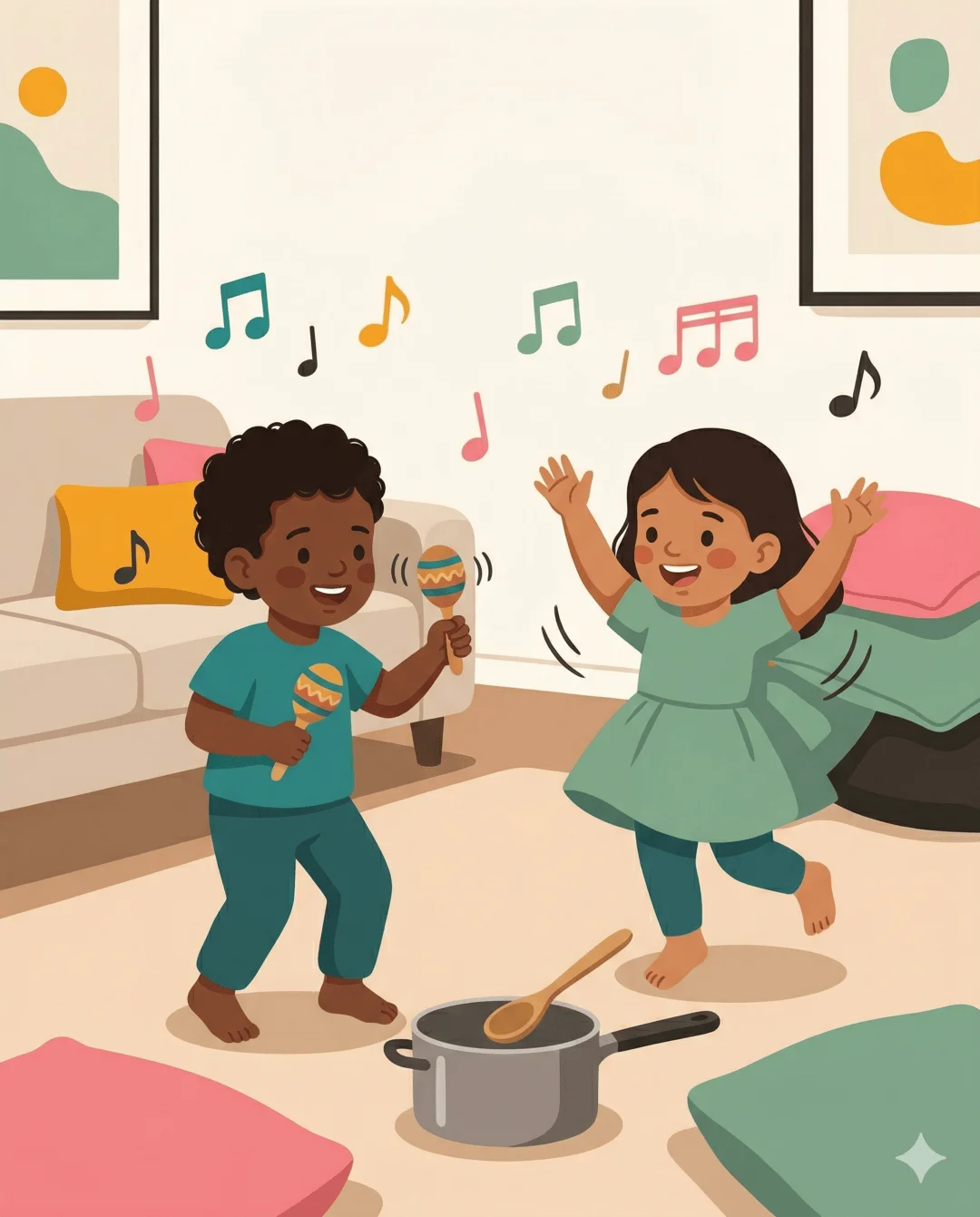
Together with your toddler, create a short celebration routine — a special dance, a high-five sequence, a 'potty cheer' — that happens after every potty attempt, not just successes. March around the room, shake shakers, or clap a rhythm. By celebrating the attempt rather than the outcome, you remove performance pressure while building positive associations with the entire potty routine.

Best for this moment

when your toddler needs focused engagement, especially when you need an indoor option.

Parent tip

Start before you overthink it. No-prep activities work best when you begin while the moment is still recoverable.
What success looks like

A good outcome is a few minutes of engaged play, some back-and-forth with you, and a small sign of progress in emotional regulation.

More help for this situation

Instructions

Get ready
  • After any potty attempt, announce: 'Time for the potty parade!'
  • Create a simple cheer together: 'You tried the potty — hooray hooray!'
  1. After any potty attempt, announce: 'Time for the potty parade!'
  2. Create a simple cheer together: 'You tried the potty — hooray hooray!'
  3. March around the room in a short parade route
  4. Add actions: stamp feet, clap hands, wiggle bottoms
  5. End with a big hug or a silly bow
  6. Keep the parade short — 30 seconds to a minute is perfect
  7. Use the same celebration every time so it becomes a predictable, joyful ritual

Why it helps

Pairing a new routine with positive emotional arousal (celebration, laughter, movement) activates the dopamine reward pathway, which strengthens the neural association between potty time and pleasure. Crucially, celebrating attempts rather than outcomes avoids the performance anxiety that drives potty resistance. The predictability of the ritual also builds procedural memory — the potty becomes part of a sequence rather than an isolated, anxious event.

Variations

  • Let your toddler choose a special 'parade song' that plays only after potty time.
  • Add a parade prop: a ribbon wand, a wooden spoon microphone, or a homemade crown.
  • Invite teddy or siblings to join the parade — the bigger the audience, the more special it feels.

Safety tips

  • Keep celebrations genuinely brief — prolonged fanfare can feel overwhelming or forced.
  • Never withhold the celebration if the potty attempt was unsuccessful — the attempt is what matters.
  • Watch for signs your toddler finds the celebration embarrassing as they get older and adjust accordingly.

When to pause and seek extra support

Stop if your child becomes distressed, unsafe, or consistently frustrated by the activity. If play, behaviour, or development worries keep showing up across settings, check in with a qualified professional.

Get weekly activity ideas for your toddler

One email a week with practical toddler activities, behaviour tips, and developmental insights. No spam, unsubscribe any time.