Parent tip
Start before you overthink it. No-prep activities work best when you begin while the moment is still recoverable.
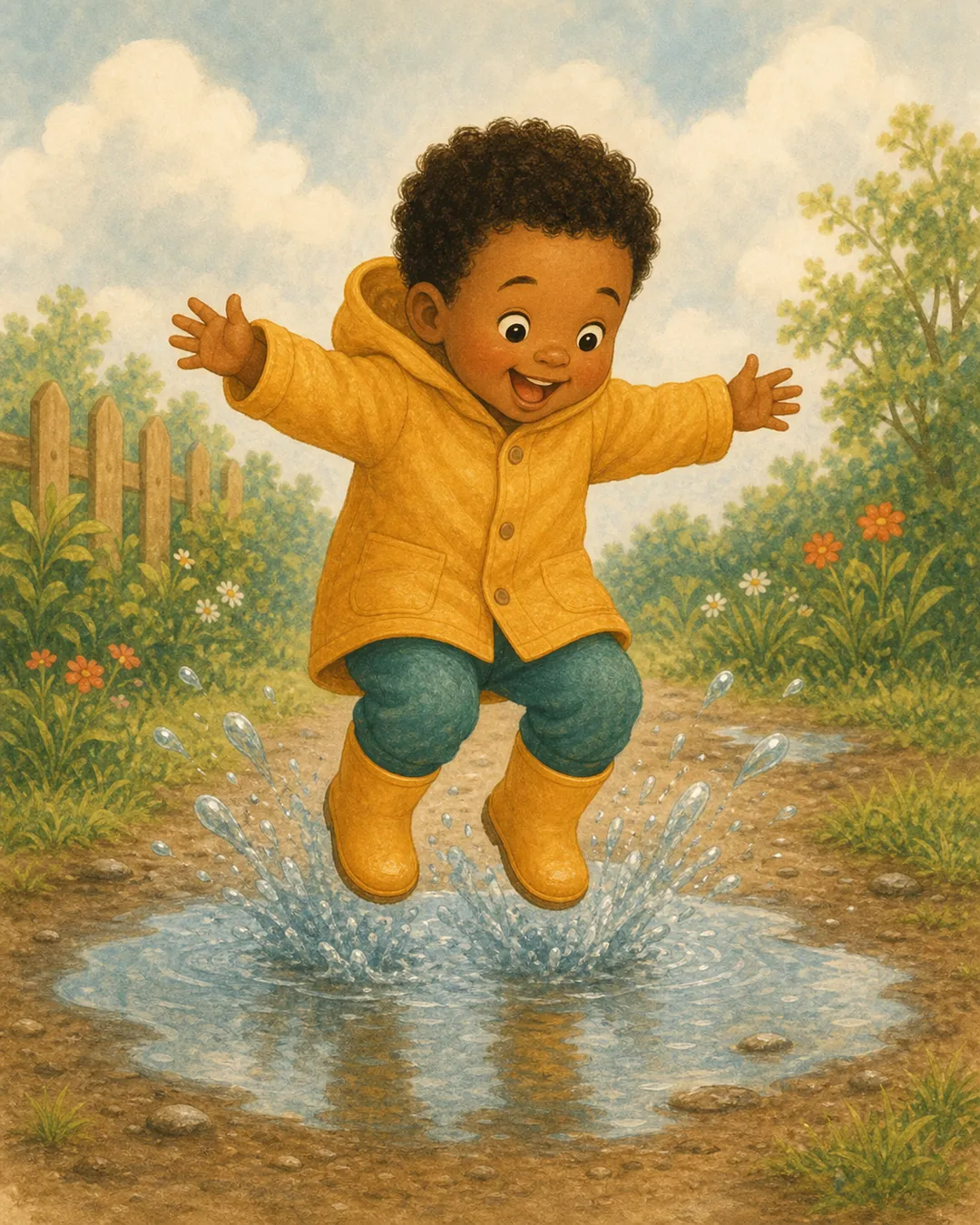
Crunch through frost, breathe dragon clouds, and watch ice melt in warm hands — a magical winter sensory walk.
Tiny Steps
Start before you overthink it. No-prep activities work best when you begin while the moment is still recoverable.

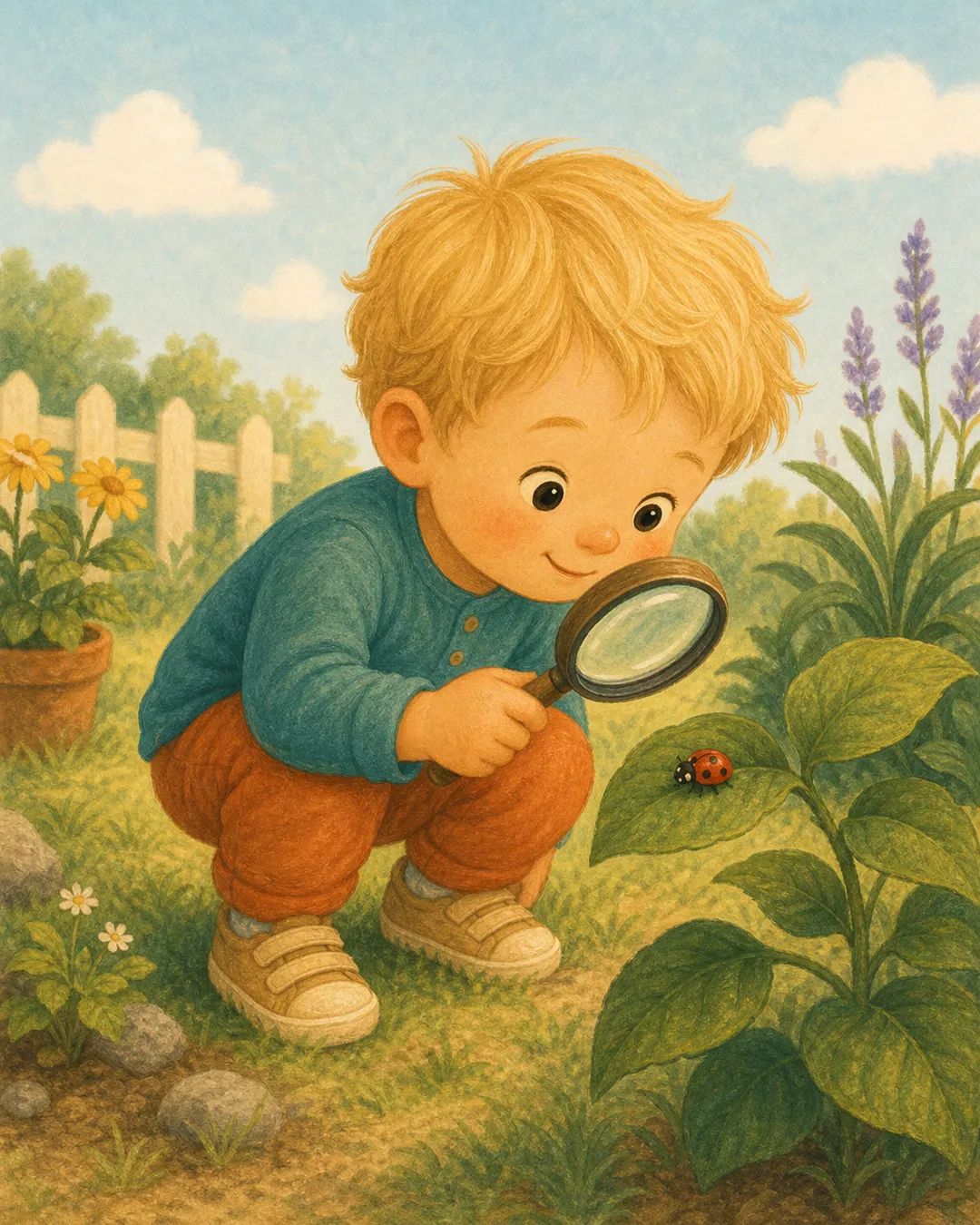
Curiosity in action — pointing, collecting, asking ‘what’s that?’ A child engaged with nature is learning without knowing it.
A cold, frosty morning transforms familiar outdoor spaces into something magical for toddlers. Grass crunches underfoot, leaves are rimmed with white crystals, puddles have turned to thin ice, and every breath makes a visible cloud. This activity turns a simple winter walk into a rich sensory investigation, encouraging your child to touch, listen, and observe the winter world with fresh curiosity. Forest school educators consider frost walks one of the most powerful nature experiences for young children.
Frost exploration engages multiple senses simultaneously — the crunch of frozen grass (auditory), the bite of cold on fingers (tactile), the sight of breath clouds (visual) — which supports sensory integration, the brain's ability to process and organise information from different senses at once. The cause-and-effect discovery of ice melting in warm hands builds early scientific reasoning, while the rich descriptive vocabulary ('frozen', 'crunchy', 'melting', 'crystals') expands language in a way that cannot be replicated indoors. Development Matters emphasises that rich language environments — where children hear new words, ask questions, and are really listened to — build the strongest communication foundations.
One email a week with practical toddler activities, behaviour tips, and developmental insights. No spam, unsubscribe any time.