Prepare a plate with three or four small blobs of different dips — hummus, natural yoghurt, cream cheese, and one dip your child already likes.
Around the edge, place simple dippers: breadstick pieces, cucumber batons, cooked carrot sticks, and toast fingers.
1/4
Prepare a plate with three or four small blobs of different dips — hummus, natural yoghurt, cream cheese, and one dip your child already likes.
Around the edge, place simple dippers: breadstick pieces, cucumber batons, cooked carrot sticks, and toast fingers.
Sit together at the table and present the plate: 'This is our dipping plate! You choose what dips into what.'
Model first: dip a breadstick into the hummus, take a bite, and react: 'Mmm, that's creamy! I wonder what the yoghurt tastes like.'
Invite your child to try: 'Which dip looks interesting? You pick.' Accept if they just poke or smell — that's exploration too.
Narrate textures: 'That one is thick and sticky. This one is smooth and cold.' Building food vocabulary reduces food anxiety.
If your child mixes dips together, celebrate the experiment rather than correcting: 'You made a new dip! What does it taste like?'
End when interest fades — never push. Say: 'We can try the dipping plate again another day.'
Parent tip
Set out plastic containers and spoons (metal) before inviting your toddler in so the first minute feels smooth.
What success looks like
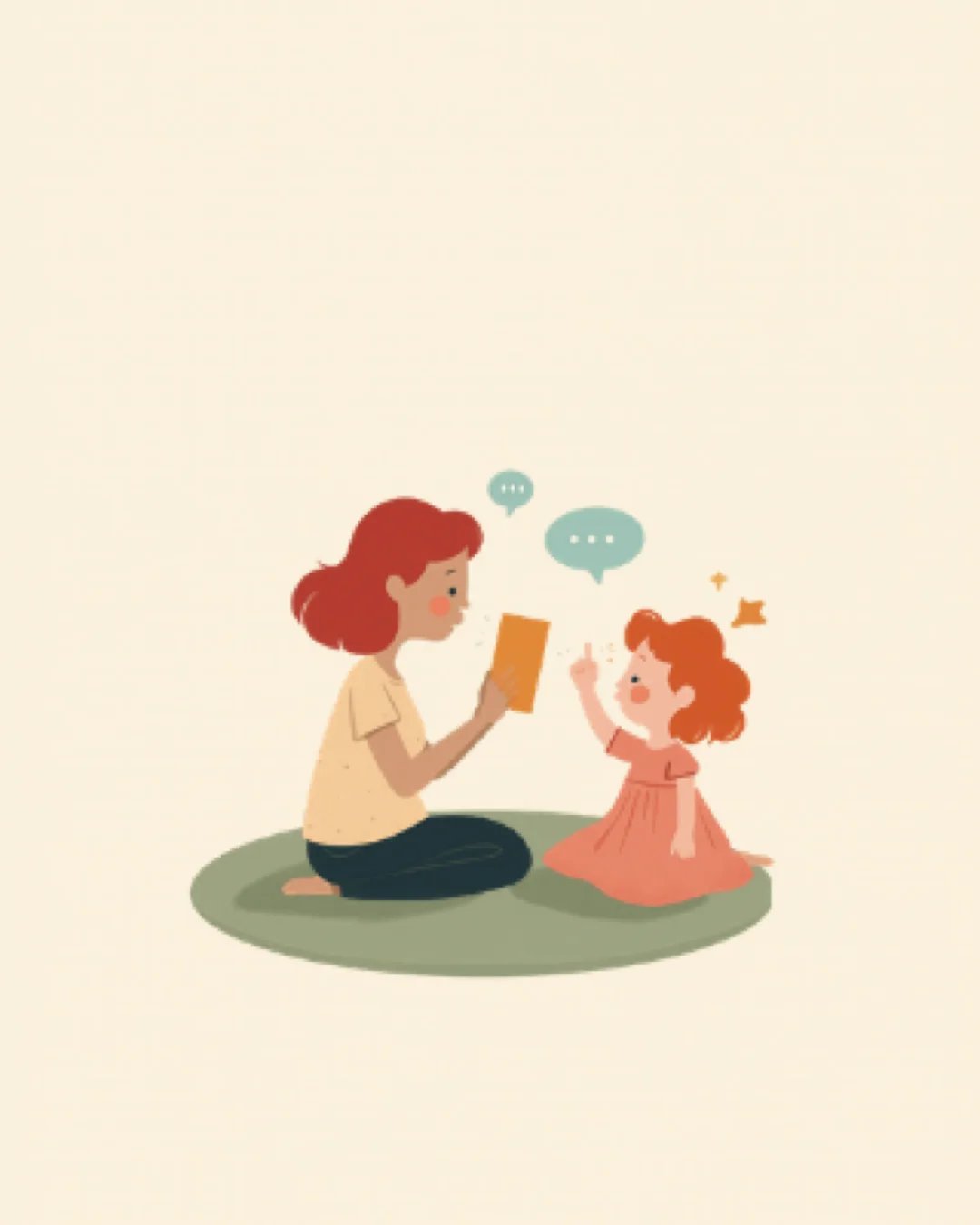
Back-and-forth between you — words, gestures, shared pretend. Connection is the real outcome here.
When toddlers refuse meals, it's often because the food feels unpredictable or overwhelming as a whole plate. This sensory food play activity strips mealtime back to its most appealing element: dipping. A central plate of small dip portions (hummus, yoghurt, cream cheese, ketchup) surrounded by simple dippers gives your child complete control over what touches what, and the act of dipping provides satisfying proprioceptive input through the hand and wrist. It's a low-pressure, NHS-inspired approach to food exploration that prioritises interaction with food over consumption.
Why it helps
The NHS recommends a relaxed, child-led approach to potty training, noting that most children show signs of readiness between 18 months and 3 years. Food neophobia — the fear of new foods — peaks between 18 and 36 months and is a normal developmental phase. Research shows that repeated, low-pressure exposure to foods (touching, smelling, licking) is more effective at expanding a child's diet than insisting they eat. The dipping format gives children sensory control, which reduces the anxiety that drives refusal. Each interaction with a food — even just poking it — counts as a positive exposure that moves the child closer to acceptance.
Variations
Add food colouring to plain yoghurt to create 'rainbow dips' — the visual novelty can encourage a cautious eater to explore.
Use the dips as 'paint' on a plate, drawing faces or patterns with breadstick 'brushes' — this playful reframing removes eating pressure entirely.
For older toddlers, let them help prepare the dips by spooning them onto the plate, building ownership and familiarity with the foods.
Safety tips
Check for allergies before introducing any new dips, especially those containing dairy or nuts.
Cut all dippers to appropriate sizes for your child's age — no pieces small enough to be a choking risk.
Supervise closely and ensure your child is seated upright while eating, never walking around with food.
Try one of these next
A few connected ideas chosen by theme, energy, set-up, and age fit.