Parent tip
Start before you overthink it. No-prep activities work best when you begin while the moment is still recoverable.
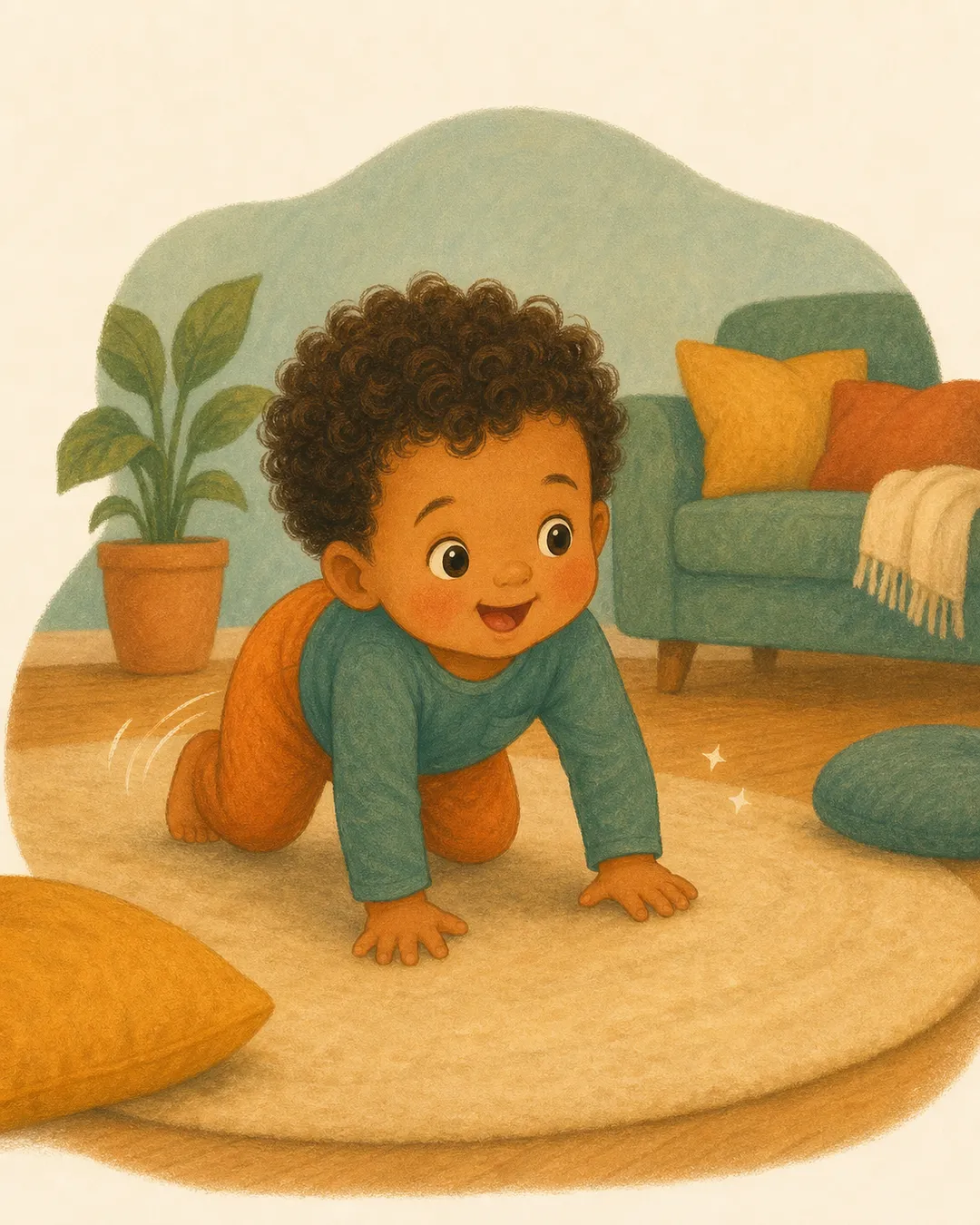
Channel biting and hitting urges into a structured sequence of stomping, clapping, squeezing, and safe biting.
Tiny Steps
Start before you overthink it. No-prep activities work best when you begin while the moment is still recoverable.

Flushed cheeks, big smiles, and a calmer child afterwards. If they want to do it again, you’ve found a winner.
When the biting urge strikes, redirect it with this structured sensory release sequence. Start with big stomps ('Stomp like a dinosaur!'), then clapping hands hard together, then squeezing a cushion tight, and finally biting into a safe chewy toy or crunchy snack. The sequence provides escalating proprioceptive input through the whole body before targeting the oral sensory need specifically. Over time, toddlers learn to run through the sequence independently when they feel the urge building.
Birth to 5 Matters identifies self-regulation as children's developing ability to regulate their emotions, thoughts and behaviour, noting that co-regulation — where adults model calming strategies — is the foundation from which children build this skill. Biting is often driven by proprioceptive seeking — the deep pressure sensation through the jaw that provides neurological calming. This activity provides escalating proprioceptive input through multiple body systems (legs, hands, arms, jaw) before channelling the oral need into a safe target. Teaching the sequence proactively builds the executive function pathway of 'urge → alternative action' that underpins all impulse control development. Zero to Three explains that toddlers need repeated, safe chances to practise handling big feelings before they can manage them on their own.
One email a week with practical toddler activities, behaviour tips, and developmental insights. No spam, unsubscribe any time.