TinyStepper

Step Up Step Down

At a glance: Practise stepping on and off a low step or thick book for balance training. A 7-minute, medium-energy indoor activity for ages 12m2y. No prep needed.

Built by a parent of toddlersBest for 12m-2y

Field-tested ideas shaped by direct parenting experience and advice from reputable sources, including NHS Best Start in Life and NSPCC child development research.

12m2y7 minsmedium energyindoornone messNo prep

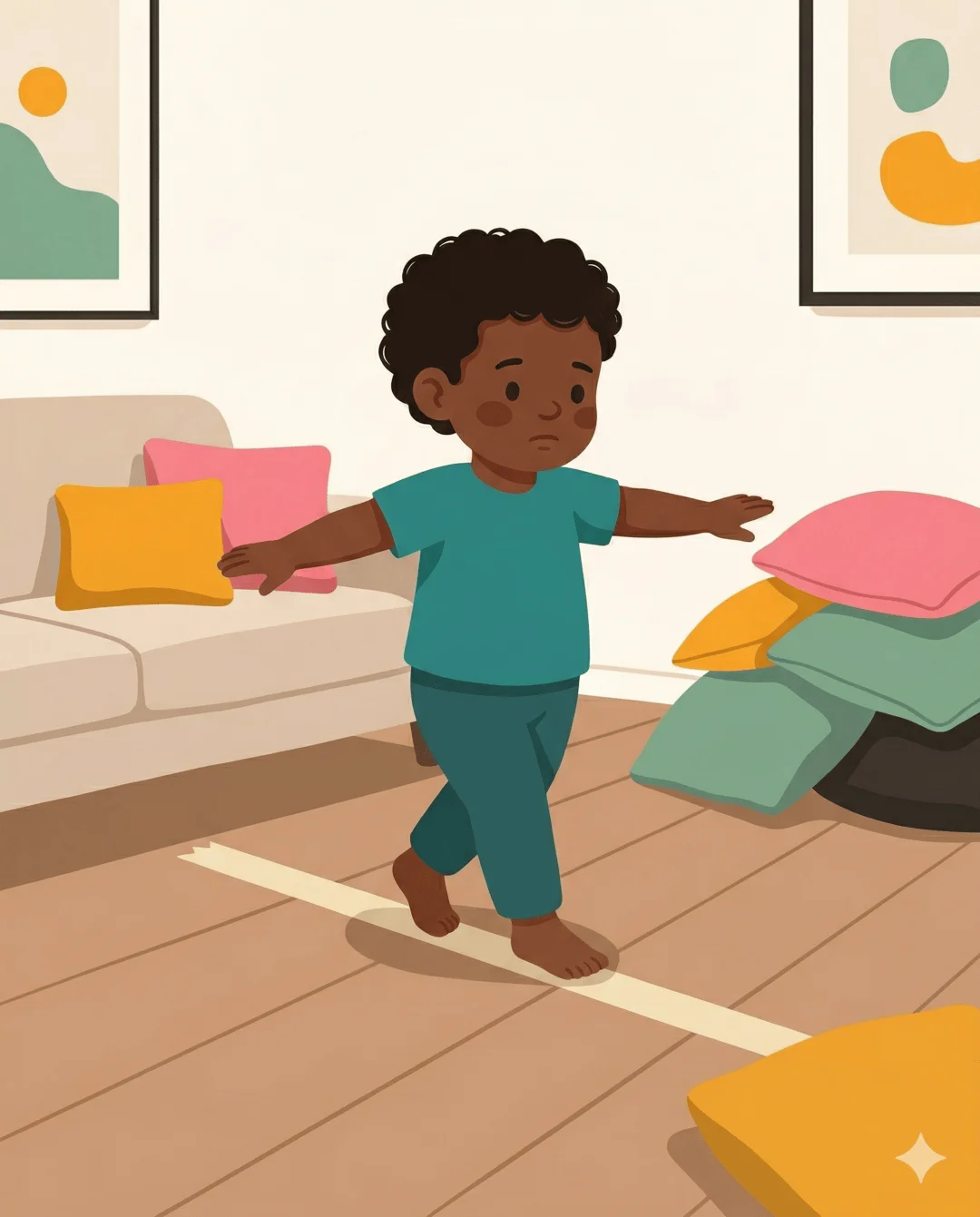
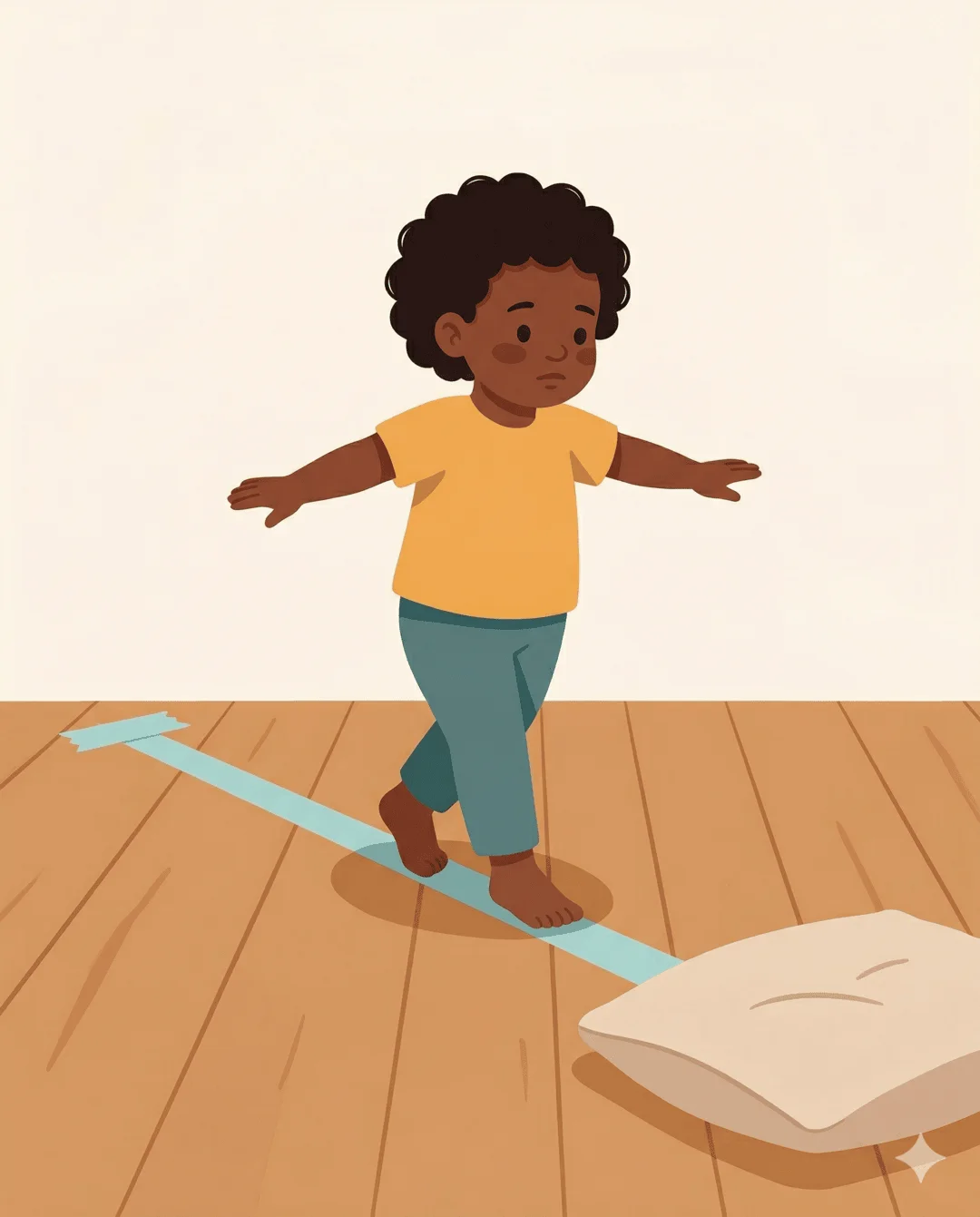
Find a low, sturdy surface — a thick book, a doorstep, or a yoga block — and let your toddler practise stepping up and stepping back down. This simple movement is genuinely challenging for 12–24 month olds who are still mastering the coordination of lifting one foot while balancing on the other. Repeating it builds confidence, leg strength, and the sense of ‘I can do hard things’ that early walkers crave.

Best for this moment

when your toddler needs focused engagement, especially when you need an indoor option.

Parent tip

Start before you overthink it. No-prep activities work best when you begin while the moment is still recoverable.
What success looks like

A good outcome is a few minutes of engaged play, some back-and-forth with you, and a small sign of progress in body awareness.

More help for this situation

Instructions

Get ready
  • Find a low, sturdy surface: a thick book on carpet, a doorstep, or a yoga block
  • Place it on a non-slip surface
  1. Find a low, sturdy surface: a thick book on carpet, a doorstep, or a yoga block
  2. Place it on a non-slip surface
  3. Stand next to your child and hold one hand
  4. Say: ‘Step up!’ and help them step onto it
  5. Pause for balance, then: ‘Step down!’
  6. Let go of their hand gradually as confidence builds
  7. Count each step: ‘Up — one! Down — two!’
  8. Try without hand-holding once they’re ready — stay close to spot them

Why it helps

Stepping up and down develops single-leg balance, which is a prerequisite for stairs, running, and eventually hopping. It strengthens the ankle stabiliser muscles and builds proprioceptive awareness — sensing where your body is in space — that makes all movement more confident and controlled.

Variations

  • Line up several low ‘steps’ in a row for a stepping path.
  • Hold a favourite toy at the top of a step as motivation.
  • Try stepping sideways along a low kerb when outside for a balance challenge.

Safety tips

  • Use a step no higher than 10–15cm for this age group.
  • Ensure the surface is non-slip — place on a rug or use a book on carpet.
  • Hold your child’s hand until they show consistent balance.

When to pause and seek extra support

Stop if your child becomes distressed, unsafe, or consistently frustrated by the activity. If play, behaviour, or development worries keep showing up across settings, check in with a qualified professional.

Get weekly activity ideas for your toddler

One email a week with practical toddler activities, behaviour tips, and developmental insights. No spam, unsubscribe any time.