
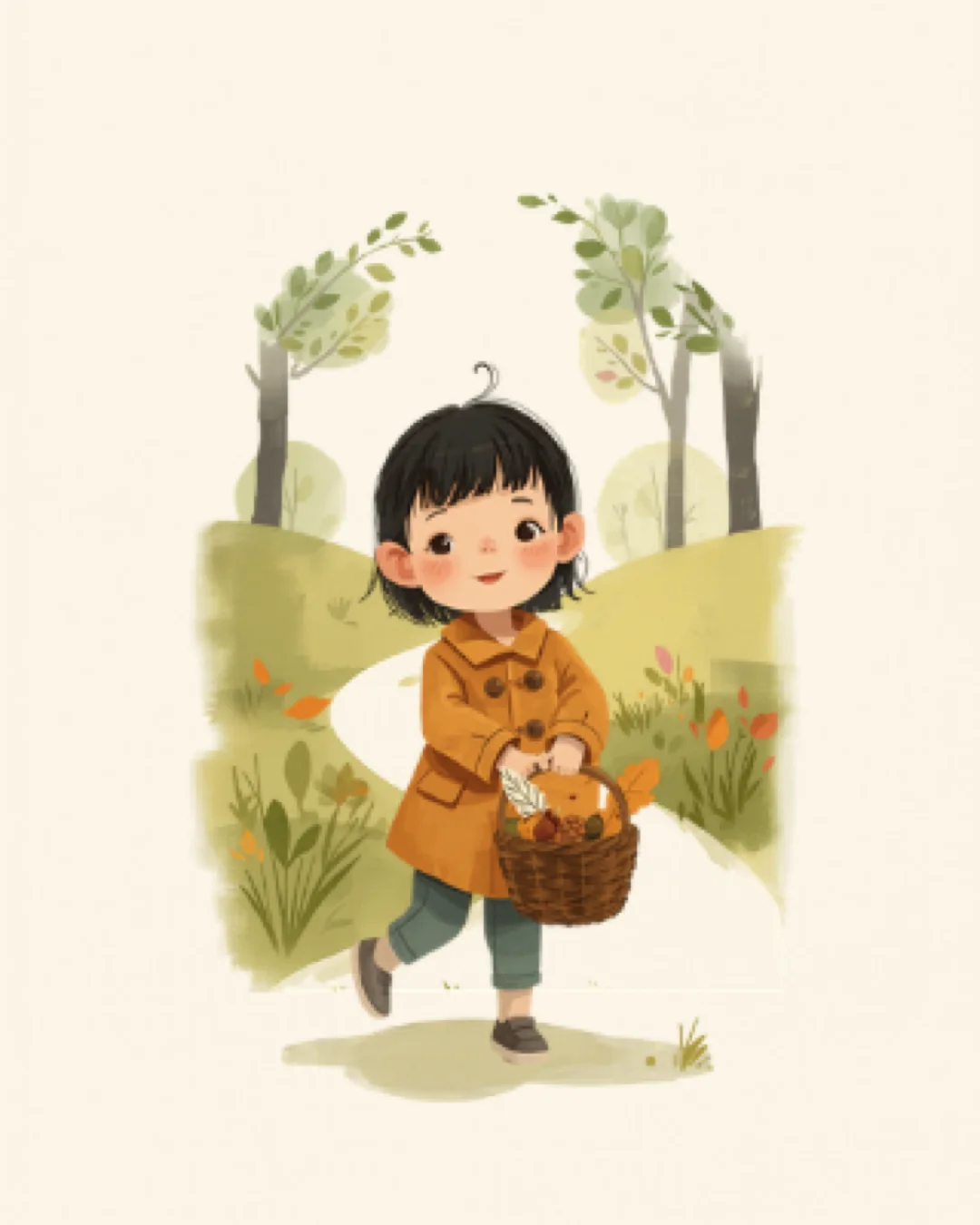
Autumn Leaf Colour Match
Bring a paint colour chart on an autumn walk and match leaves to the closest colour swatch.
Pairing, sorting, and finding-the-same — matching games build memory, visual discrimination, and early problem-solving. These screen-free ideas grow from around 12 months through to preschool: start a 2 year old with two or three pairs, then stretch a 3 or 4 year old with sound, colour, and category matching. Everything uses cards, household objects, and nature finds — no apps and no shop-bought sets needed.
Start with two or three pairs and add more as your child gets confident. If they lose interest, try matching by sound or texture instead of sight.

Bring a paint colour chart on an autumn walk and match leaves to the closest colour swatch.
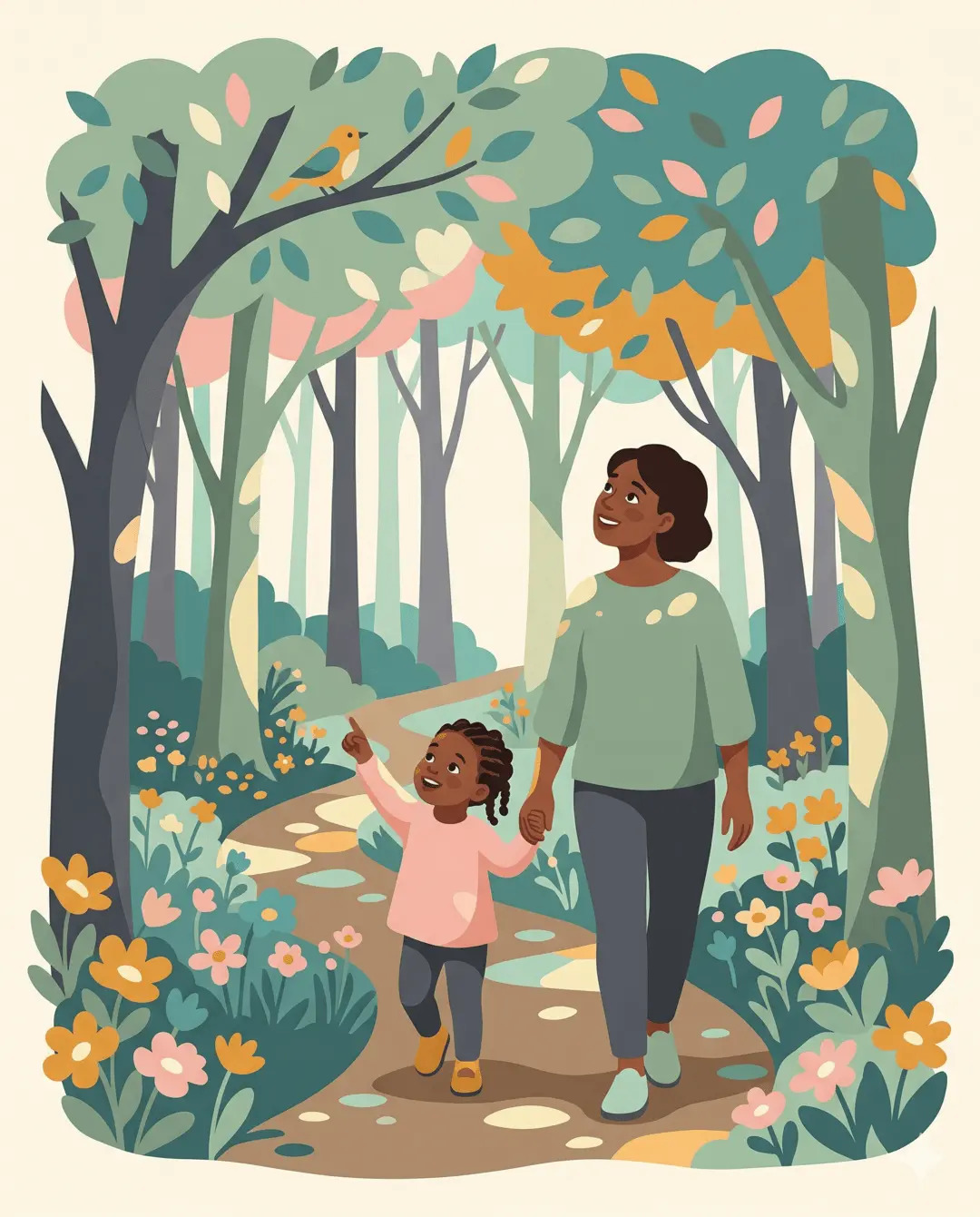
Stomp through crunchy autumn leaves, then gather and sort them by colour, size, or shape — a high-energy seasonal adventure.
Sort a jumbled pile of objects into groups — food, animals, clothes, vehicles — and explain why each one belongs there.
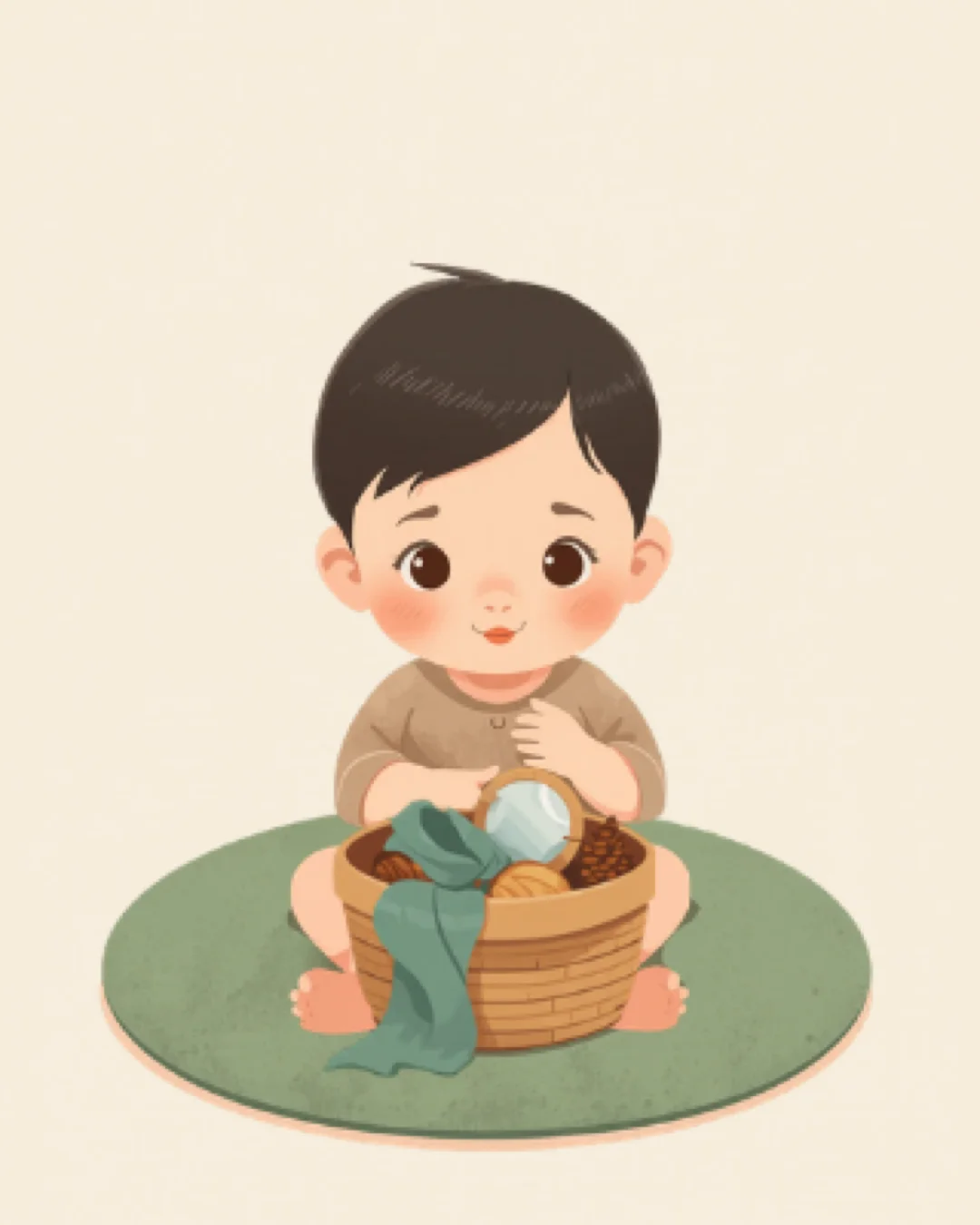
Sort toys by colour into baskets — a hands-on learning game for colour recognition and vocabulary.
Hunt for conkers under horse chestnut trees and sort them by size — a classic British autumn learning adventure.
Sort fruit by colour to build an edible rainbow — colour learning you can eat.
Create new characters by combining features from different animals, people, and creatures.
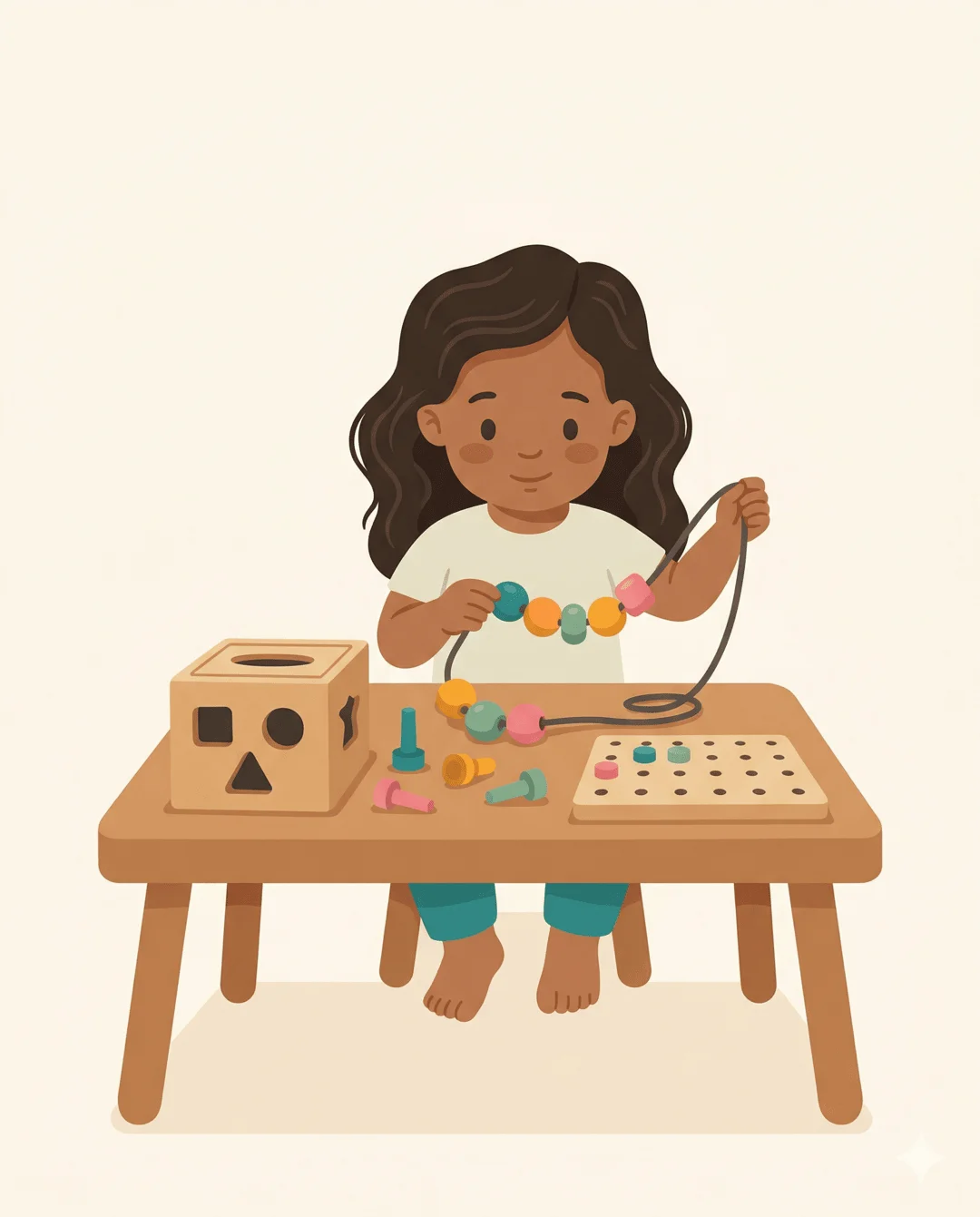
Fill a muffin tin with mixed small items and let your child sort them by colour, shape, or type — calming, absorbing, zero-intervention play.
Match lids to the right pots and containers for a satisfying kitchen puzzle.
Find pairs of objects around the home that rhyme to build phonological awareness in a playful way.
Find pairs of matching objects from a mixed pile — building visual discrimination and category thinking through hands-on matching.
A sock matching game using clean laundry — find the pairs and sort them back into the basket.
One email a week with practical toddler activities, behaviour tips, and developmental insights. No spam, unsubscribe any time.
Yes — you can download our free printable matching-card pack from this page. It has colour and black-and-white cards (animals, fruit, and shapes) plus a simple ‘how to play’ guide by age, so you can print, cut out, and play. No sign-up needed.
Card matching, sock pairing, lid-to-pot matching, colour sorting, sound matching, and nature-find matching all work well for toddlers. Start with familiar objects and two or three pairs — increase the number as their memory and attention grow.
Simple matching — like putting lids on pots or pairing socks — works from around 12 months. Card-based memory games suit 2–3 year olds, and more complex matching with rules comes in around 3–4 years.
Two year olds do best with simple, chunky matching: pairing socks, putting lids on the right pots, matching two or three picture cards, and sorting objects by colour. Keep it to a handful of pairs at first — 2 year olds are still building the memory and focus that card-heavy games need.
Three year olds can handle more pairs and an extra layer of thinking: face-down memory cards, sound matching, matching by category (all the animals, all the fruit), and ‘same and different’ games. This is the age where turn-taking matching games with a parent or sibling really start to click.
Yes — for 3 and 4 year olds, matching and sorting games build the visual discrimination, memory, and categorising skills that underpin early reading and maths. Stretch preschoolers with two-rule sorting (colour and size), rhyme matching, and games where they make the pairs themselves.
Matching games build visual discrimination (spotting similarities and differences), working memory, concentration, and early problem-solving. They also develop language when you name what your child is matching.