TinyStepper

Bubble Breathing

At a glance: Practise slow, deep breaths by blowing real or imaginary bubbles. A 5-minute, low-energy both activity for ages 2y4y. No prep needed.

Built by a parent of toddlersBest for 2y-4y

Field-tested ideas shaped by direct parenting experience and advice from reputable sources, including NHS Best Start in Life and NSPCC child development research.

2y4y5 minslow energybothnone messNo prep

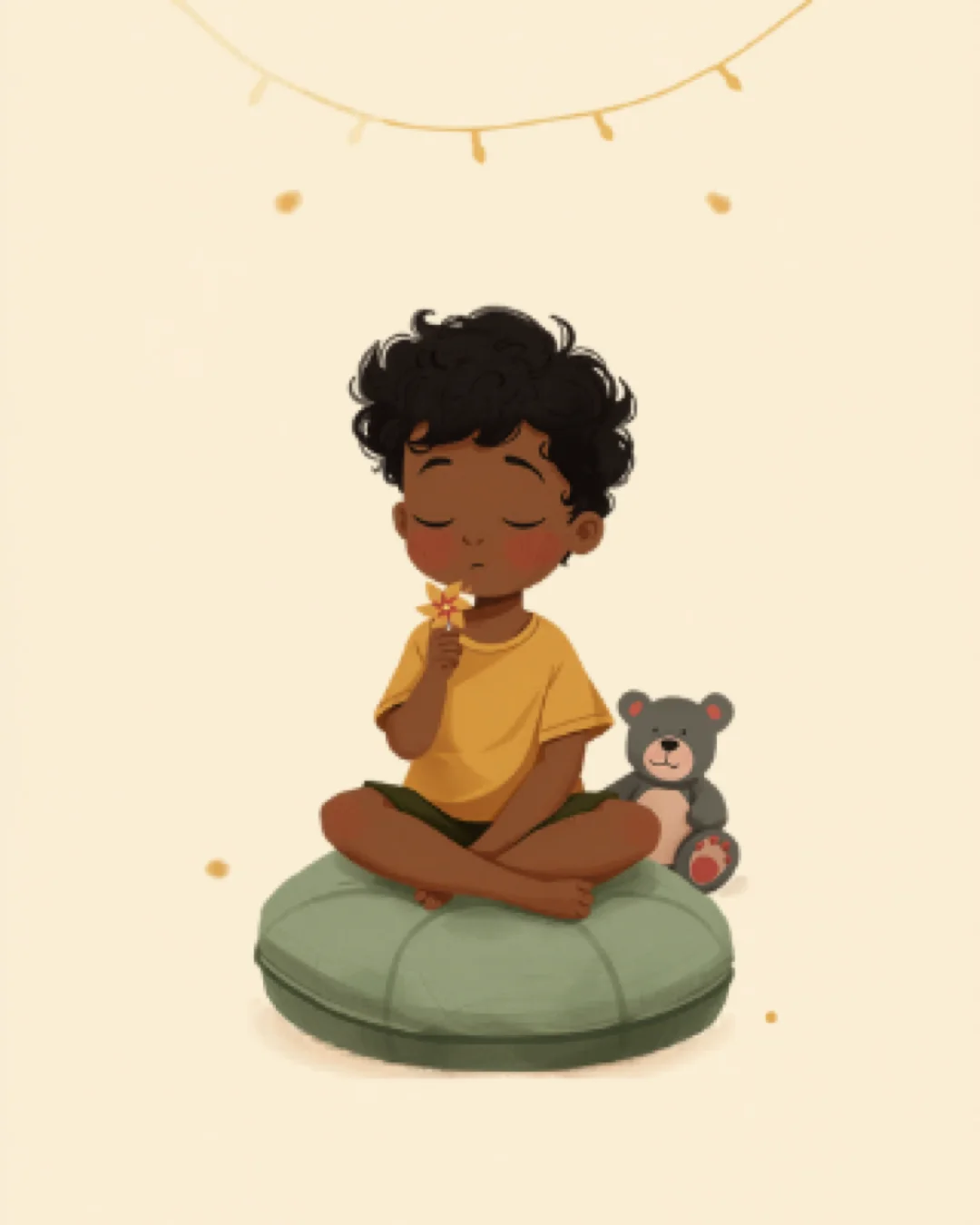
Deep breathing is a proven self-regulation technique, but 'take a deep breath' means nothing to a toddler. Blowing bubbles makes it tangible — you have to breathe in slowly and blow out gently to make a bubble. Even without real bubbles, pretending to blow them gives children a concrete, visual way to practise the slow exhale that activates the calming response.

Best for this moment

for calmer, lower-pressure moments, especially when you need something flexible indoors or outdoors.

Parent tip

Start before you overthink it. No-prep activities work best when you begin while the moment is still recoverable.

What success looks like

A good outcome is a few minutes of engaged play, some back-and-forth with you, and a small sign of progress in body awareness.

More help for this situation

Instructions

Get ready
  • If using real bubbles, dip the wand and hold it ready
  • Say: 'Let's blow the biggest bubble ever. First, breathe in through your nose...'
  1. If using real bubbles, dip the wand and hold it ready
  2. Say: 'Let's blow the biggest bubble ever. First, breathe in through your nose...'
  3. Model a slow inhale — make it visible, puff your chest
  4. 'Now blow out very gently...' — blow slowly to make a bubble
  5. If the bubble pops, say: 'Too fast! Let's try even gentler'
  6. Without bubbles: 'Pretend there's a bubble on your finger. Blow it gently...'
  7. Practise 5-6 slow breaths together
  8. Name what you notice: 'My body feels calmer now. Does yours?'

Why it helps

Slow exhalation activates the vagus nerve, which triggers the parasympathetic nervous system and physically reduces heart rate and cortisol. Bubbles make this abstract concept concrete — toddlers can see the result of controlled breathing. Once practised in calm moments, bubble breathing becomes a tool they can use during meltdowns, including in public.

Variations

  • Blow bubbles lying down for an extra calming position.
  • Count the breaths: 'Let's blow five calm bubbles.'
  • Use it as a portable tool: 'Let's blow pretend bubbles' — works in the car, shops, anywhere.

Safety tips

  • Use non-toxic bubble solution and keep it away from eyes.
  • Wipe up spills immediately — bubble solution is slippery on floors.
  • Supervise to ensure the wand stays out of mouths.

When to pause and seek extra support

Stop if your child becomes distressed, unsafe, or consistently frustrated by the activity. If play, behaviour, or development worries keep showing up across settings, check in with a qualified professional.

Get weekly activity ideas for your toddler

One email a week with practical toddler activities, behaviour tips, and developmental insights. No spam, unsubscribe any time.