Parent tip
Start before you overthink it. No-prep activities work best when you begin while the moment is still recoverable.
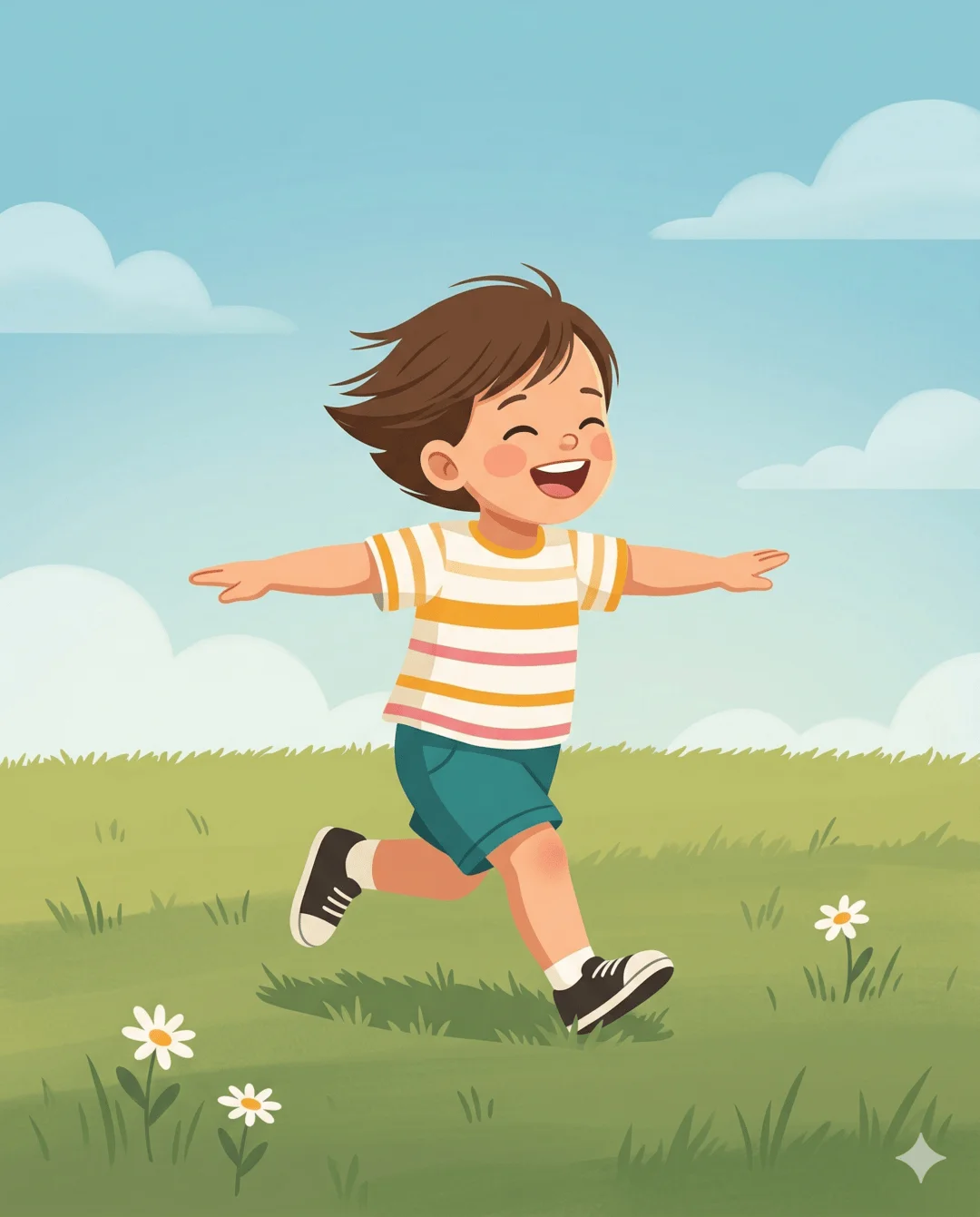
Turn the daily shoe battle into a silly, timed putting-on-and-off game.
Tiny Steps
Start before you overthink it. No-prep activities work best when you begin while the moment is still recoverable.

Flushed cheeks, big smiles, and a calmer child afterwards. If they want to do it again, you’ve found a winner.
The morning shoe struggle is one of the most common daily flashpoints for toddler families. This activity reframes it as a game: 'Can you put your shoes on before I count to ten? Ready... one... two...' Practising outside the pressure of actually needing to leave the house means the skill develops in a low-stress context. When the real moment comes, they have both the ability and the positive association.
The EYFS framework's early learning goals state that children at the expected level will manage their own basic hygiene and personal needs, including dressing — making practice with fastenings and clothing a direct school-readiness skill. Dressing skills are a key independence milestone, and shoes are often the hardest item for toddlers to manage independently. Practising as a game removes the time pressure that causes morning meltdowns. The repetition builds muscle memory for the physical task, while the playful framing creates a positive association with a previously stressful activity. Counts and races also develop number sense and body coordination.
One email a week with practical toddler activities, behaviour tips, and developmental insights. No spam, unsubscribe any time.