
TinyStepper
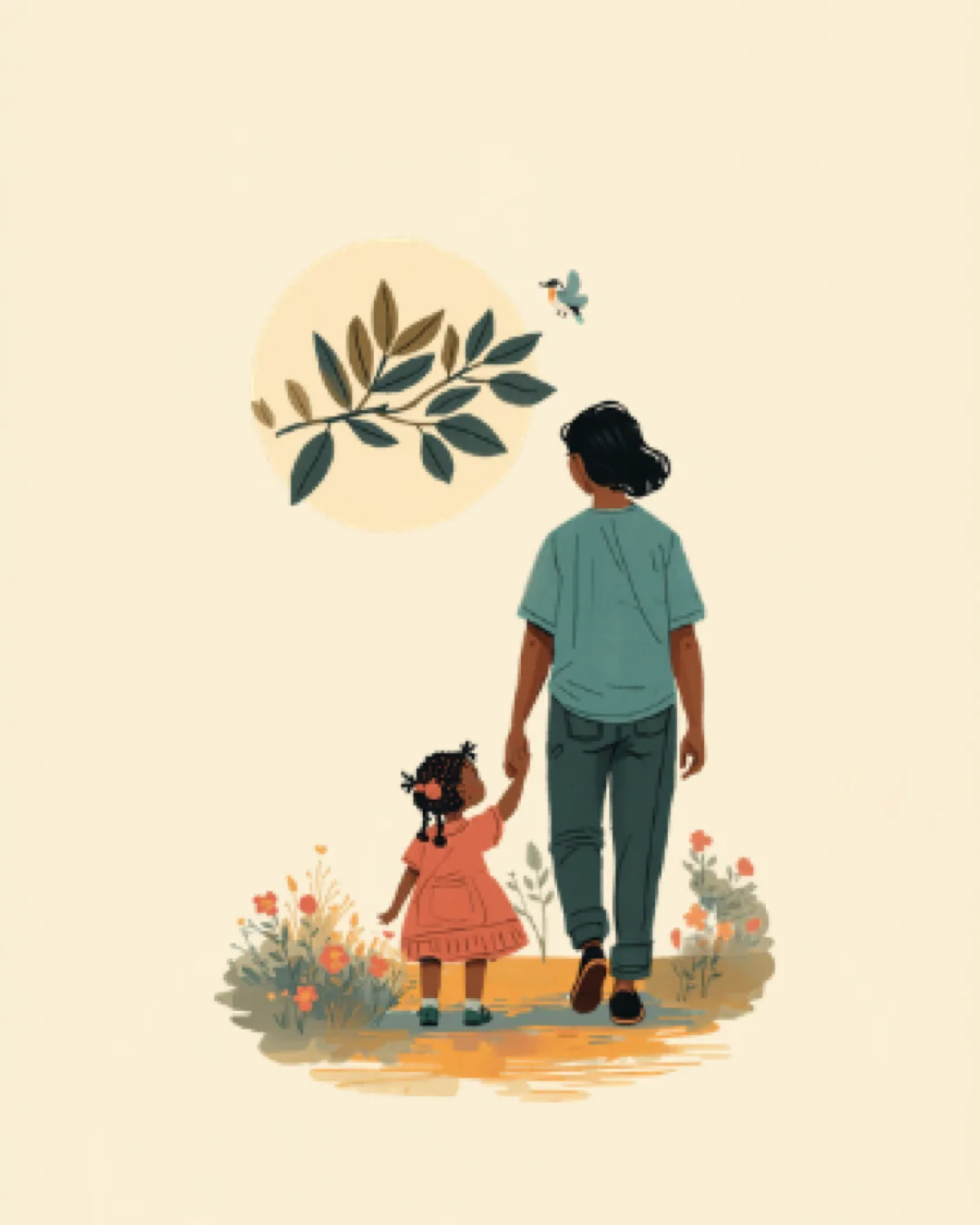
Parent and child walking hand-in-hand, child pointing at a bird in a tree

Seed Planting Pots

Plant fast-growing seeds in small pots and watch them sprout over days.

Activity details

18m4y10 minslowoutdoorBucketGarden Trowel

Instructions

Get ready
  • Gather a small pot, compost (or soil from the garden), and seeds
  • Let your toddler scoop compost into the pot with their hands or a spoon
  1. Gather a small pot, compost (or soil from the garden), and seeds
  2. Let your toddler scoop compost into the pot with their hands or a spoon
  3. Make a small hole with their finger: 'Pop the seed in its bed'
  4. Cover gently with soil and pat it down
  5. Water it together with a small watering can: 'Just a little drink'
  6. Place on a sunny windowsill
  7. Check it together every day: 'Let's see if our seed has woken up!'
  8. Celebrate the first sprout: 'You grew that! You're a gardener!'

Parent tip

Set out bucket and garden trowel before inviting your toddler in so the first minute feels smooth.
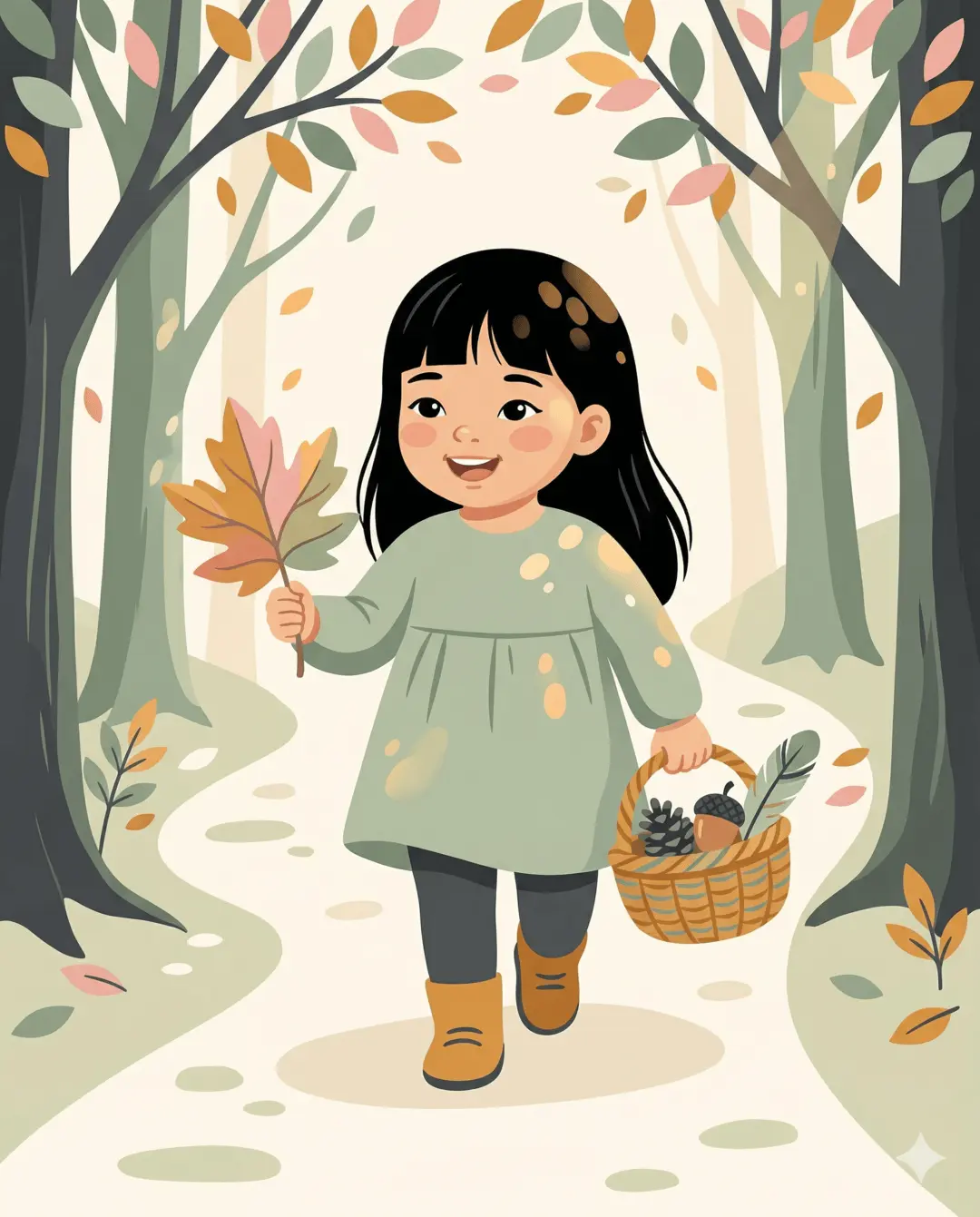
Toddler on a garden step examining a large leaf beside a basket of collected nature treasures

What success looks like

Curiosity in action — pointing, collecting, asking ‘what’s that?’ A child engaged with nature is learning without knowing it.

Fill a small pot with compost, push in a seed, water it, and put it on a windowsill. Fast-growing seeds like cress, sunflowers, or runner beans show visible results within days, which is crucial for toddlers who cannot understand long time horizons. The daily check — 'Has it grown?' — teaches patience, responsibility, and the magical cause-and-effect of seeds becoming plants.

Why it helps

Gardening teaches cause-and-effect over time — a concept toddlers are just beginning to grasp. The daily watering routine builds responsibility and patience. Digging in soil provides sensory input, and NHS guidance specifically recommends gardening for children's mental health and wellbeing. The pride of growing something from a tiny seed builds genuine confidence in their ability to affect the world.
Variations

  • Plant cress on damp cotton wool for even faster results (2-3 days).
  • Decorate the pot with stickers or paint before planting.
  • Plant several seeds and compare which grows fastest.

Safety tips

  • Use non-toxic seeds and plants — avoid anything labelled as harmful if ingested.
  • Supervise closely around soil — some toddlers will eat it.
  • Wash hands thoroughly after handling compost.

Get weekly activity ideas for your toddler

One email a week with practical toddler activities, behaviour tips, and developmental insights. No spam, unsubscribe any time.