TinyStepper

Garden Goalkeeper

At a glance: Roll balls toward a makeshift goal while your toddler dives, blocks, and saves — a full-body reaction game that builds coordination and confidence. A 15-minute, medium-energy outdoor activity for ages 2y4y.

Built by a parent of toddlersBest for 2y-4y

Field-tested ideas shaped by direct parenting experience and advice from reputable sources, including NHS Best Start in Life and NSPCC child development research.

2y4y15 minsmedium energyoutdoornone mess

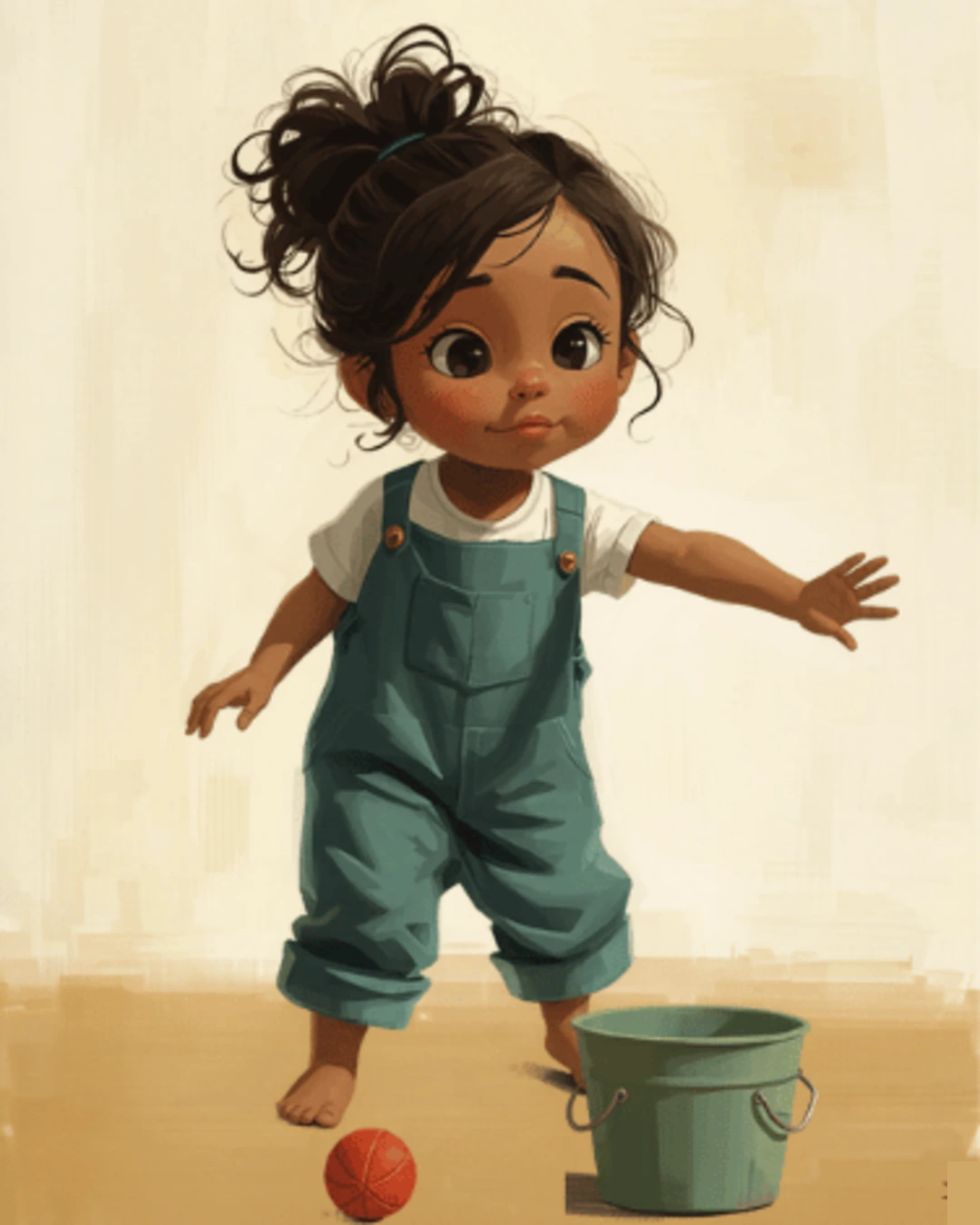
Mark out a goal with two shoes or cones, and your toddler stands in the middle as the goalkeeper. You roll or gently kick balls toward the goal and they have to stop them getting through — using hands, feet, or their whole body. The short bursts of explosive movement (diving, lunging, reaching) build exactly the kind of reactive agility that structured running drills miss. And the dramatic saves? They feel like absolute victories.

Best for this moment

when your toddler needs focused engagement, especially when you need an outdoor option.

Parent tip

Set out balls before inviting your toddler in so the first minute feels smooth.
What success looks like

A good outcome is a few minutes of engaged play, some back-and-forth with you, and a small sign of progress in body awareness.

More help for this situation

Instructions

Get ready
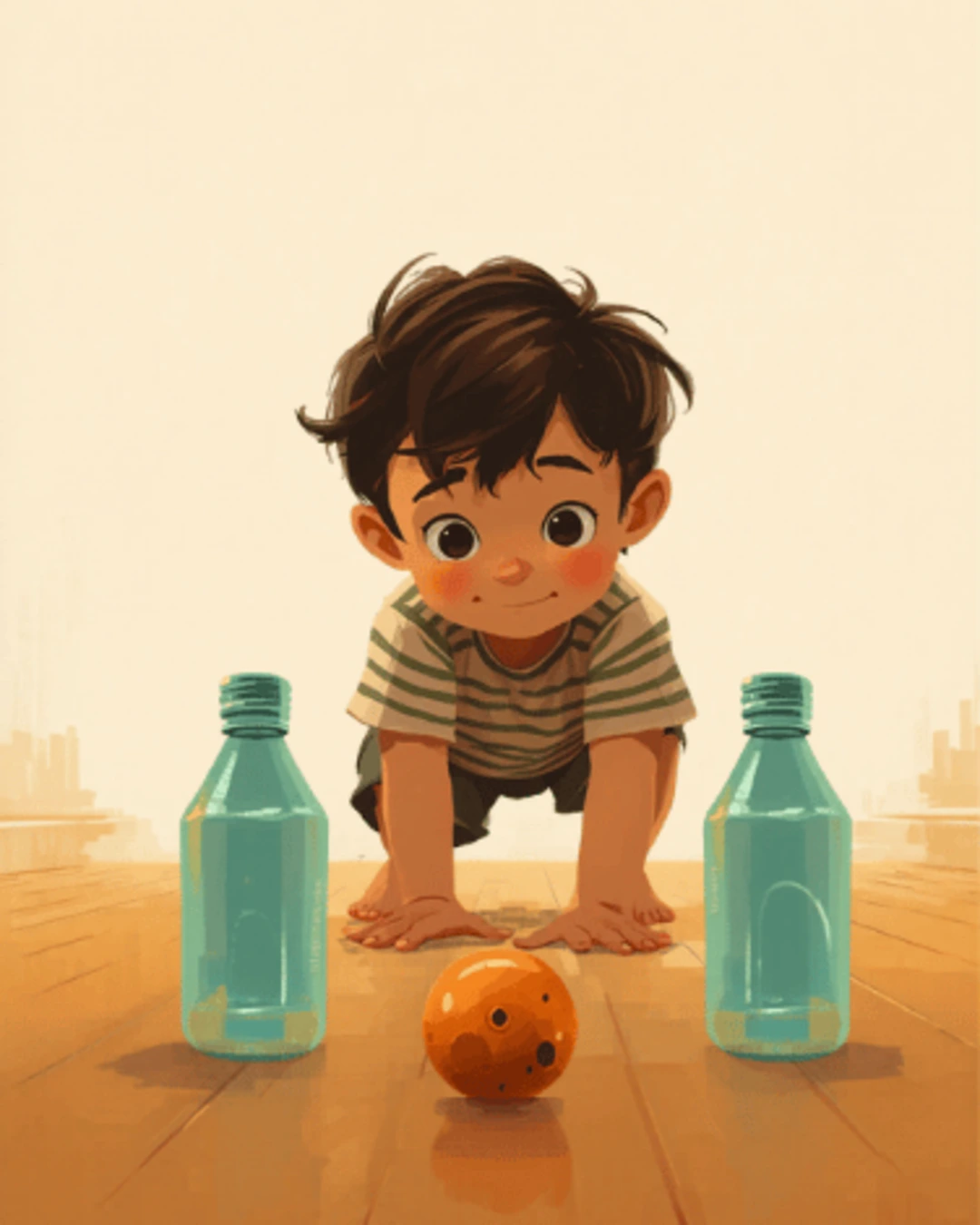
  • Set up a goal about 1.5 metres wide using shoes, cones, or water bottles as posts.
  • Your toddler stands between the posts — they are the goalkeeper.
  1. Set up a goal about 1.5 metres wide using shoes, cones, or water bottles as posts.
  2. Your toddler stands between the posts — they are the goalkeeper.
  3. Stand about 2 metres away and gently roll the first ball toward one side of the goal.
  4. Cheer wildly when they stop it: 'What a save!'
  5. Roll the next ball to the other side — encourage them to move across and block it.
  6. Gradually increase the pace as they get the hang of it — still rolling, not kicking hard.
  7. Mix in some easy ones straight at them and some trickier ones near the posts.
  8. After 5-6 saves, swap roles — you go in goal and let them roll balls at you.
  9. Finish with a 'penalty shootout' — three final rolls, and celebrate every save.

Why it helps

The NHS physical activity guidelines list chasing and ball games as optimal active play for toddlers, recommending 180 minutes of daily movement. The NSPCC's Look Say Sing Play programme identifies this kind of back-and-forth interaction — rolling, saving, rolling again — as the foundation of brain-building, developing focus, self-control, and problem-solving skills that support children through childhood and beyond. Goalkeeping also develops reactive balance — the ability to recover stability after an unexpected shift in weight — which the EYFS Physical Development strand emphasises as essential for physical confidence.

Variations

  • Use a bigger ball (beach ball) for younger toddlers (24-30 months) — easier to block with the whole body.
  • For older toddlers (3-4 years), try gentle underarm throws instead of rolls for an aerial challenge.
  • Play with two children — one in goal, one shooting, swap every five turns.

Safety tips

  • Use soft balls only — foam or lightweight plastic, never hard balls.
  • Play on grass or a soft surface so diving and lunging do not hurt.
  • Keep the goal width narrow enough that your toddler can realistically reach both sides — success builds confidence.

When to pause and seek extra support

Stop if your child becomes distressed, unsafe, or consistently frustrated by the activity. If play, behaviour, or development worries keep showing up across settings, check in with a qualified professional.

Get weekly activity ideas for your toddler

One email a week with practical toddler activities, behaviour tips, and developmental insights. No spam, unsubscribe any time.